
The right squash shoes can make a real difference to your game. Whatever your level, a good pair improves performance, supports your feet and lowers the risk of injury. Here is what to look for when buying.
Understanding the Importance of Squash Shoes
Squash is a high-intensity sport that demands quick movements, rapid changes in direction, and consistent footwork. The specific requirements of squash mean that regular athletic shoes won't suffice. Squash shoes are designed with the following considerations:
- Grip: Squash courts can be slippery, so the shoes need to offer excellent grip.
- Support: Given the rapid lateral movements, ankle support is crucial to prevent injuries.
- Cushioning: Adequate cushioning helps absorb the impact, reducing strain on the feet and knees.
- Breathability: Intense play can make your feet sweat, so breathable materials are important for comfort.
Key Factors to Consider
1. Sole Design and Grip
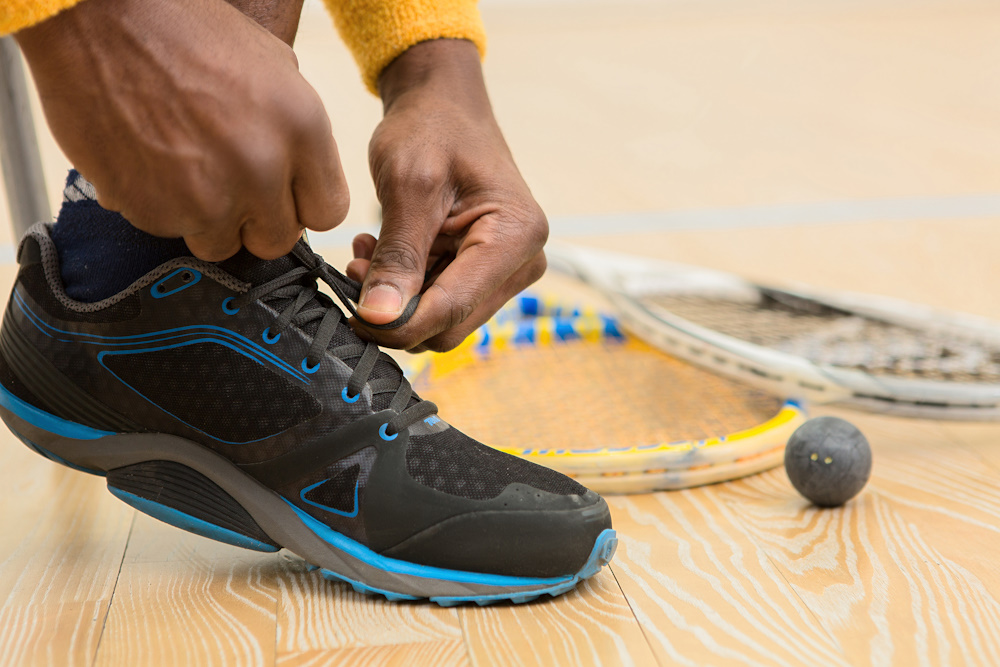
The sole of a squash shoe is typically made from non-marking gum rubber, which provides the best grip on indoor courts. Look for shoes with a herringbone or hexagonal pattern as these designs offer superior traction.
2. Ankle and Arch Support
Strong lateral support is essential to prevent ankle injuries. Shoes with reinforced sides and a snug fit around the ankle offer better stability. Additionally, arch support is important for maintaining foot health, especially if you have high or low arches. Consider orthotic inserts if the shoe's built-in support isn't adequate.
3. Cushioning and Impact Protection
Squash involves a lot of jumping and quick stops, so cushioning is crucial. Look for shoes with EVA or PU midsole cushioning. Gel inserts or air pockets in the heel area can provide additional shock absorption.
4. Fit and Comfort
Comfort matters most. Shoes that fit well will prevent blisters and other discomforts. Try on shoes with your usual squash socks and ensure there's enough room in the toe box for your toes to move freely, but not so much that your foot slides inside the shoe.
5. Breathability and Material
Synthetic materials and mesh panels enhance breathability, keeping your feet cool and dry. Leather shoes offer durability but may lack breathability compared to synthetic options.
6. Durability
Consider the durability of the shoe, especially if you play frequently. Reinforced toe caps and high-quality stitching can prolong the life of your shoes.
7. Weight
Lighter shoes can enhance your agility on the court, but ensure they don't compromise on support and cushioning. A good balance between weight and protection is crucial.
Top Squash Shoe Brands
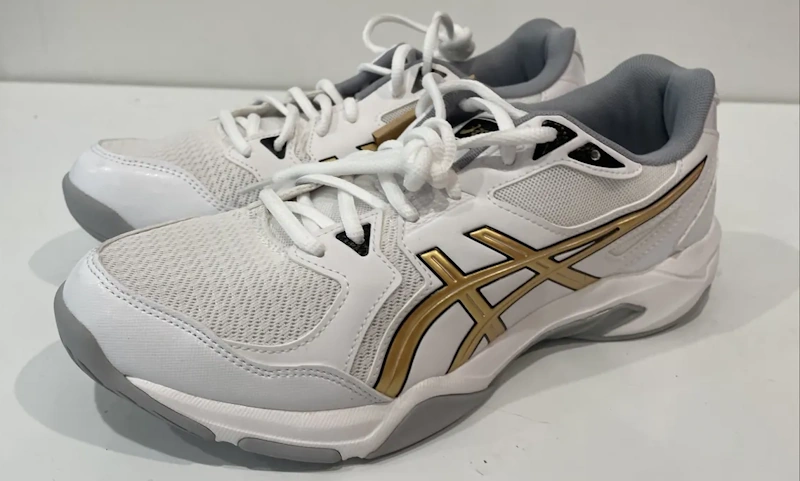
1. ASICS
Known for their Gel technology, ASICS offers excellent cushioning and support. Models like the ASICS Gel-Fastball 3 and Gel-Resolution are popular among squash players for their durability and cushioning.
2. Salming
A long-time favourite among squash players for their lightweight feel and superior grip. The brand went bankrupt in 2019 and is now owned by Hummel, so newer stock can be patchy, but the Kobra and Viper are still widely available and remain a strong pick if you can find your size.
3. Adidas
Adidas's indoor court line is well-regarded for squash. The current Stabil Next Gen is the natural successor to the long-running Stabil, with excellent lateral support and grip.
4. Mizuno
Mizuno's Wave technology combines cushioning and stability. The Wave Lightning (Z-series) and Wave Stealth, originally built for volleyball and handball, are popular crossovers for squash, with a generally wider fit than other brands.
5. Prince
Prince, synonymous with racket sports, offers shoes built for indoor court play with a comfortable, supportive fit, a sensible all-rounder if you're upgrading from a generic gym trainer.
6. Yonex
Widely worn on the PSA tour, Yonex's Power Cushion line offers some of the best shock absorption and lateral grip on the market, a strong pick for serious players willing to spend a bit more.
Tips for Trying On Squash Shoes
- Try on Shoes in the Evening: Feet tend to swell throughout the day, so trying on shoes in the evening can help you get a better fit.
- Wear Squash Socks: Always try on shoes with the socks you plan to wear during play.
- Walk and Jump: Mimic squash movements to see how the shoes perform in action.
- Check the Return Policy: Ensure there's a good return policy in case the shoes don't perform as expected during play.
How Often Should You Replace Squash Shoes?
Most regular players should replace their squash shoes every 6-12 months, or sooner if you play several times a week. The clearest signs it is time are a worn-down, glossy outsole that no longer grips, flattened cushioning, or a midsole that feels unstable on quick changes of direction, all of which raise the risk of slips and ankle injuries.
Why Not Just Use Running Shoes?
Running shoes are built for forward motion, with a raised heel and harder outsole that can roll your ankle during squash's rapid lateral lunges. They also often leave marks on court. Proper indoor court shoes use a flat, low-to-the-ground profile and a non-marking gum sole for the grip, stability and quick pivots squash demands.
The Bottom Line
Skip the generic running trainer, the right squash shoe pays for itself in better movement and fewer rolled ankles. If you only remember three things: grip (non-marking gum sole), lateral support, and a fit you'd trust at full speed. Brand-wise, Mizuno is the friendly all-rounder, Salming and Yonex are the grip specialists, ASICS leans cushioned, and Adidas's Stabil Next Gen splits the difference.