
Casual squash does not need expensive kit, but the wrong kit, a cotton shirt that soaks through, shorts that bind, shoes that slip, will spoil a session fast. This is a head-to-toe rundown for recreational male players: shirts, shorts, socks, non-marking shoes, and the accessories actually worth bothering with.
Each category includes specific product picks across different budgets, with pros and cons based on performance. Whether you are a weekend club player or just starting out, this guide will help you choose squash apparel that lets you focus on your game.
What Makes Clothing Suitable for Squash
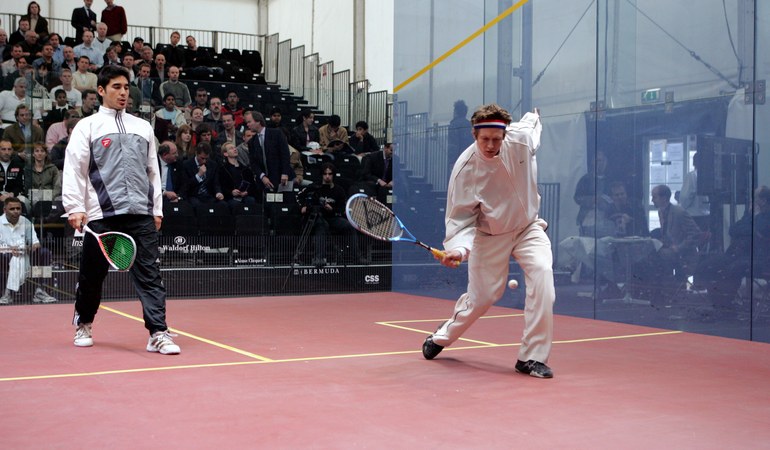
Not all workout clothes are equal for squash. Here are the key features to look for in each part of your outfit.
- Breathable, moisture-wicking fabrics: Squash courts get hot and rallies are intense. Choose lightweight polyester or technical blends that breathe and dry quickly, pulling sweat off your skin to keep you cool. Avoid heavy cotton, which soaks up sweat and becomes uncomfortable over long games. Many modern squash shirts use mesh panels or moisture-wicking treatments to improve ventilation.
- Freedom of movement and stretch: Squash involves lunging, twisting, and full-stretch shots, so your shorts and shirts should not restrict you. Choose shorts made of flexible, quick-dry material with a bit of stretch so you can lunge low and turn quickly. A loose or athletic-cut shirt, not too baggy and not too tight, allows a full range of arm motion. Look for features like raglan sleeves or side slits in shorts that help with movement.
- Non-marking, grippy shoes with support: Regular sneakers are not suitable. Squash shoes should have non-marking gum rubber soles for indoor grip and to protect the court surface. Good squash shoes sit low to the ground for stability and have strong lateral support to handle side-to-side moves. Cushioning matters too: shock absorption in the heel and forefoot reduces stress on your joints from constant lunges. Always wear dedicated court shoes; playing in running shoes is a common mistake that risks ankle injuries, since they lack lateral support and their non-grip soles can mark the floor.
- Supportive, cushioned socks: Your feet endure a lot in squash. Thick, cushioned athletic socks can help prevent blisters and absorb impact on quick stops. Look for socks designed for court sports or running, which often use moisture-wicking fibers. For players prone to blisters, double-layer socks are a good solution: the two layers rub against each other instead of your skin. Brands like WrightSock use this design to combat the three causes of blisters: friction, moisture, and heat.
- Sweat-control accessories: Wristbands keep sweat off your hands, which helps maintain a secure racquet grip, and headbands or bandanas keep sweat from dripping into your eyes. These are optional but inexpensive additions that many players rely on, especially if you sweat heavily.
With these principles in mind, here are specific recommendations for each part of your squash outfit, from budget-friendly basics to premium performance gear, with their pros and cons.
Squash Shirts
For squash shirts, prioritize breathable fabrics that will not cling uncomfortably once you are drenched in sweat. T-shirts or polo shirts made for training or tennis are well suited to squash. Here are a few top picks.
Hanes Cool Dri Performance Tee (budget)
A no-frills, budget-friendly option that performs well. This T-shirt is made of 100% polyester interlock (about 4 oz weight), so it wicks sweat and dries quickly. It also offers a UPF 50+ rating for sun protection, a bonus if your club has outdoor courts.
- Pros: very affordable (often under $15) for a moisture-wicking shirt; lightweight fabric that keeps you cool; tag-free collar for comfort.
- Cons: the fabric is thinner and less soft than premium shirts; the fit is basic (straight cut) and not athletic-tailored; limited style features (no mesh panels or advanced odor control).
It is a good starter shirt or option for players on a tight budget, delivering the core benefit of keeping sweat at bay without heavy cotton.
Under Armour Tech 2.0 Short-Sleeve Tee (mid-range)
A popular training shirt that hits a sweet spot in price and performance. The UA Tech 2.0 is a 100% polyester shirt with a relaxed, athletic fit. It is stretchy, quick-drying, and comfortable across many activities.
- Pros: strong value for the quality, often around $20 to $30; lightweight, breathable fabric that does not cling and balances moisture well to aid cooling; versatile for squash and general workouts.
- Cons: the seams are not flatlocked, so they use basic stitching that is fine for casual play but could rub during very long sessions; odor control is only average (no special anti-microbial treatment), so it may hold some sweat smell after hard games; the styling is plain.
The UA Tech 2.0 is a reliable everyday squash shirt, breathable and loose enough for full swings, without a high price.
Lululemon Metal Vent Tech Tee 2.0 (premium)
For those willing to invest in a top-tier performance shirt, the Metal Vent Tech is a standout. The fabric is a seamless knit with Silverescent anti-odor technology, which weaves silver fibers into the material to inhibit odor-causing bacteria. The anti-odor property does not wash out, keeping the shirt fresher over time. It is breathable and lightweight, with engineered mesh for ventilation.
- Pros: excellent odor control, so the shirt resists developing a permanent smell even after intense matches; seamless construction prevents chafing and improves comfort during rapid movements; four-way stretch fabric with a soft feel. It comes in many colors and has an athletic fit you could wear off court.
- Cons: the price is high (around $70 to $80 for a short-sleeve); thin fabric means it will not hide sweat patches, though it dries fast; some players will find cheaper shirts perform almost as well for their needs.
If budget allows, the Metal Vent Tech shows what high-end squash apparel can offer in comfort and technology.
Squash Shorts
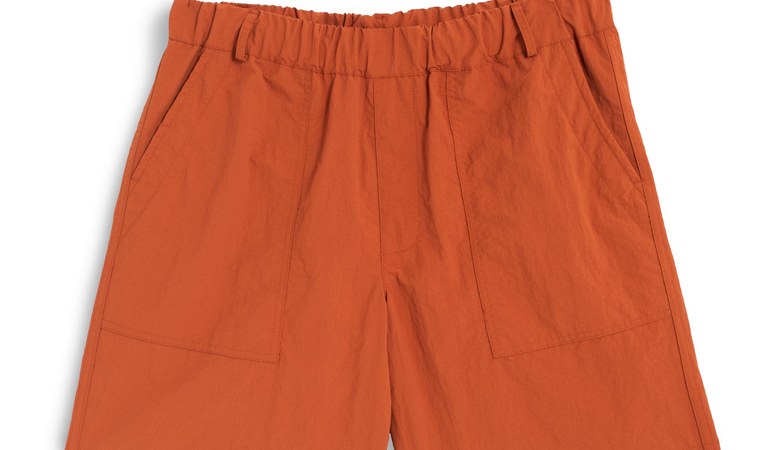
Good shorts for squash should allow deep lunges and quick directional changes without bunching or ripping. Most athletic shorts (training or tennis shorts) can work, but the best ones combine lightweight breathability with stretch and a secure fit. Here are a few recommendations.
Baleaf Running Athletic Shorts (budget)
These shorts from Baleaf, a popular value brand on Amazon, are frequently praised as an inexpensive workhorse for many sports. They cover the basics for squash, using a breathable polyester fabric with an inner mesh brief liner for support.
- Pros: very affordable (often around $20 to $30 a pair); plenty of pockets (two deep side pockets and a zippered back pocket) useful for holding small items; durable for the price. The waistband has a drawstring that keeps them secure during play.
- Cons: sizing can run large and a bit long, with a slightly baggier cut and around a 5-inch inseam, which some smaller players might find too loose; the style is plain.
Baleaf shorts are a good budget pick for casual squash, prioritizing comfort and function so you can move freely without spending much.
Adidas Club 3-Stripes Shorts (mid-range)
A classic option from the Adidas tennis line that translates well to squash. These shorts are made from 100% recycled polyester with Adidas AEROREADY technology, so they are moisture-wicking and quick-drying. They feature a mesh gusset and mesh-lined pockets for added breathability. The fit is a regular athletic cut, usually with a 7-inch inseam (some versions offer 9-inch for taller players).
- Pros: trusted brand quality, with material that is lightweight but not flimsy and wicks sweat effectively; front pockets big enough for a squash ball or personal items; an elastic waist with drawcord for easy adjustment. They come in multiple colors with the signature 3-stripes design.
- Cons: at full retail (around $40 to $45) they cost more than basic brands, though they are often on sale; the fit is looser, so if you prefer very slim or short shorts these might feel conservative; no special features beyond the standard (for example, no compression liner).
Adidas Club shorts are a reliable mid-range choice, offering breathability and freedom of movement for club play in a durable package.
Lululemon Pace Breaker Shorts (premium)
These high-end training shorts are favored by many athletes, including squash players who want top performance and comfort. The Pace Breaker shorts use Lululemon's Swift fabric, a lightweight four-way stretch woven material that is sweat-wicking and durable. They come in various inseam lengths (5", 7", 9") and in lined or linerless versions.
- Pros: strong comfort and mobility, with a four-way stretch shell that is lightweight and breathable and moves with you through deep lunges; a secure waistband that stays put without being too tight, and a recent cut with a slightly roomier fit to accommodate strong thighs; versatile for gym, running, and everyday wear; durable across activities.
- Cons: the price is high (around $68 for the linerless version, about $78 lined); the included liner on lined versions is comfortable but not the most supportive for high impact, and its durability can be spotty over time; very slender legs may find the newer relaxed cut a bit loose.
Despite the cons, Pace Breakers are often considered worth it by those who play or train frequently, delivering on sweat-wicking and freedom of movement during an all-out scramble for the ball.
Squash Socks
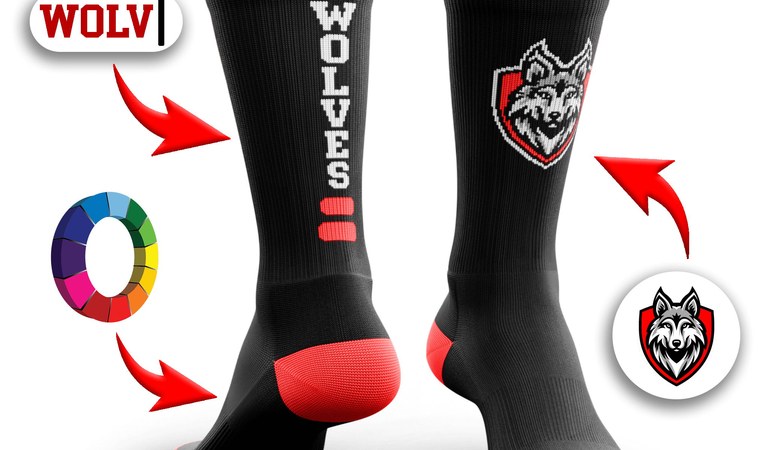
Socks are easy to overlook, but they make a difference in squash, where you stop and start constantly. Blisters and sore feet are common with the wrong socks. Aim for synthetic or wool-blend socks that manage moisture, and consider extra cushioning or double layers for protection.
WrightSock Coolmesh II Double-Layer Socks
These are a good example of socks designed specifically to prevent blisters. The Coolmesh II are built with two layers of fabric: an inner layer that stays snug on your foot and an outer layer that moves against the inner layer instead of rubbing your skin. The patented double-layer design reduces the causes of blisters: friction, moisture, and heat.
- Pros: strong blister prevention, with many players who suffer from heel or toe blisters finding double-layer socks solve the problem; moisture-wicking polyester in both layers keeps feet drier and cooler; reasonably cushioned without being too thick, so they work well in snug court shoes. Durability is good, and a pair can last a long time despite regular use.
- Cons: they cost more than standard socks (around $12 to $15 a pair); some people might need to size up their shoes by a half-size if the extra layer makes the shoe too tight; if you are not prone to blisters, you may not feel the benefit justifies the cost.
If blister-free comfort is your priority, these are a top pick.
Thorlo or Other Cushioned Sports Socks
If blisters are not a big issue for you, a pair of thick, cushioned athletic socks can provide comfort and shock absorption during play. Brands like Thorlo make socks with heavy padding in key areas, and many squash and racquetball players recommend them. These socks use proprietary fibers (often acrylic blends) that are soft, moisture-wicking, and durable.
- Pros: padding in the toes and forefoot can reduce impact when you leap or lunge, and cushioning under the heel helps during quick stop-and-go movements; good moisture management, with quality padded socks wicking sweat to keep feet drier than basic cotton gym socks, which you should avoid because they get soggy and cause blisters.
- Cons: heavily cushioned socks can feel warm, and some players prefer a thinner sock for a better feel of the court; premium padded socks (Thorlo, Balega, and similar) can cost $10 to $15 a pair; thicker socks may make an already snug shoe fit tighter.
A reliable pair of cushioned socks from a running or tennis line will serve most recreational squash players well through long matches.
Tip: Whichever socks you choose, make sure they are high enough (crew or at least quarter length) so they do not slip off your heel. Keeping an extra dry pair to change into between matches helps if you are playing multiple games in a day.
Squash Shoes
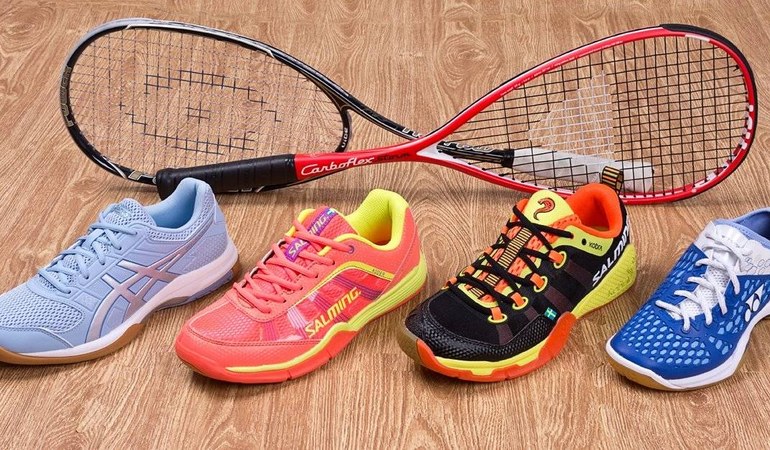
Of all your squash gear, shoes might be the most crucial investment. The right pair will improve your grip on the court, protect your joints, and lower your risk of injury.
Casual players do not need the most expensive pro-level shoe, but you do need a proper indoor court shoe, not running shoes or generic sneakers. Below are some of the best men's squash shoes for different needs and budgets.
ASICS Gel-Rocket 11
The all-around value pick. ASICS Gel-Rockets have long been a favorite of squash and badminton players, especially those just starting out or playing recreationally. The Gel-Rocket 11 (and the newer Gel-Rocket 12) offers a comfortable fit with cushioning and stability at a reasonable price (usually around $60 to $70). ASICS describes it as a stable and flexible indoor court shoe for intermediate squash players.
- Pros: good grip on indoor courts thanks to the gum rubber outsole, which players consistently praise for traction; ASICS Gel cushioning in the forefoot for shock absorption during hard lunges or jumps; an upper that mixes synthetic leather and mesh for support and breathability. Durability is decent for the price.
- Cons: as a mid-level shoe, they are a bit heavier and less agile than higher-end models, and some advanced players find them clunky at top speed; the cushioning is sufficient but not as plush as more expensive ASICS models; if you have very wide feet, ASICS can run slightly narrow, though the Gel-Rocket is more forgiving than the top-tier shoes.
For casual play the Gel-Rocket hits a sweet spot: affordable, reliable, and designed for court sports.
Adidas Stabil Next Gen / Stabil 16
The shoe for maximum support. Adidas Stabil shoes have a strong reputation in squash for stability and durability. The latest versions (Stabil Next Gen and Stabil 16) are on the premium end (often $120 or more), aimed at serious players or anyone who wants extra cushioning and support. The Stabil 16, released in 2024, offers strong cushioning, support, and durability at a high price.
- Pros: strong cushioning, with Adidas Boost foam in the midsole for a soft landing and energy return (good for those with knee issues or who want extra comfort); a robust support structure that locks your foot in for dynamic lateral movements, helping prevent rollover injuries; top-notch grip and upper materials built to last under heavy use.
- Cons: they are on the heavier side, and some players describe the Stabil as feeling chunky, though good balance means it does not feel heavy in play; the fit can be narrow for some, particularly the Stabil 16, if you have wide feet or high arches; the price is high, so it is likely overkill for purely casual play.
If you are a bigger player or prioritize maximum support and cushioning, the Stabil line is a proven option, though it is an investment.
Salming Kobra 2
A high-performance squash shoe for agility. Salming is a brand dedicated to indoor sports, and the Kobra is a favorite among many squash enthusiasts and pros. The Kobra 2 combines a lightweight build with stability and cushioning.
- Pros: strong grip, with an outsole that uses Salming's HexaGrip rubber pattern for court adhesion on quick stops; lateral stability that is often praised, thanks to built-in technologies that help prevent ankle roll; a Recoil cushioning system in the midsole that gives some energy bounce-back on takeoff, so you feel springy despite the low profile; a heavily mesh-based upper that is breathable and fairly light on the foot. In play, the Kobra feels fast and responsive, ideal for players who rely on speed.
- Cons: the price is high (usually $130 to $150, in line with other top shoes); the shoe is a bit stiff out of the box, since Salming made it firmer for stability, so it may need some break-in; the fit can run small, and many wearers go a half-size up; the cushioning, while good, is more balanced, so if you want a very soft shoe the Kobra's focus is more on stability and responsiveness.
The Salming Kobra performs well thanks to its grip, lateral stability, and recoil cushioning, making it a strong choice for serious players who want agility. For a recreational player it is a splurge, but one you will feel in every quick step and turn.
Budget alternative: ASICS Gel Upcourt
If you truly need a low-budget shoe, the ASICS Upcourt is often recommended as a starter, usually around $50 or less. It is not as cushioned as the Gel-Rocket, but it provides the basic non-marking sole and court-specific design, and it is a decent shoe at the price for beginners.
You compromise a bit on padding and durability, but it can do the job for trying out squash without a big investment. Upgrade once you play regularly, as higher-tier shoes like those above offer noticeable improvements in performance and comfort.
Accessories: Wristbands and Headbands
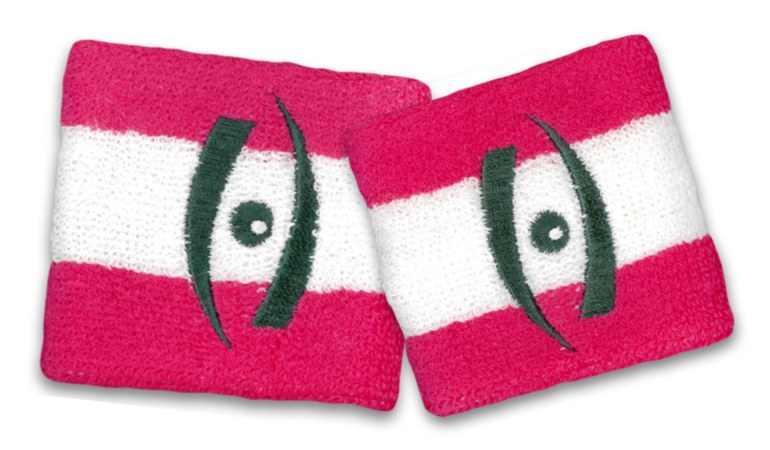
A quick word on sweat-management accessories. While these will not directly improve your game, they can make playing more comfortable by keeping sweat under control.
Wristbands
These are typically made of absorbent terry cloth (cotton blends). By wearing a wristband on your dominant arm, you can wipe sweat off your face and forehead between rallies, and it stops sweat from running down your arm to your hands. A slippery, sweaty grip can lead to losing control of the racquet, and wristbands help prevent that.
For example, Dunlop's standard wristbands use an absorbent cotton blend (around 75% cotton, with spandex and nylon for stretch), which soaks up moisture well.
- Pros: inexpensive (a few dollars per pair) and effective at sweat absorption; they also provide a bit of compression and warmth to the wrist tendons, which some players like.
- Cons: cotton wristbands can get saturated in a long session, so you might need a dry one if you sweat a lot. Some newer wristbands from athletic brands use poly blends that dry faster than classic cotton.
One squash player notes that Under Armour wristbands last a long time and dry out fast even during intense play, so consider those if cotton stays too wet for you.
Headbands
A headband or bandana around the forehead helps if sweat stinging your eyes is an issue, catching sweat before it drips down. Like wristbands, traditional headbands are cotton terry cloth (for example, the classic thick Nike Swoosh headband is mostly cotton). Newer designs, such as the Halo Headband, use a thin polyester and lycra blend with a silicone strip that diverts sweat away from your face.
- Pros: keeps your vision clear, with no need to constantly wipe your face between points; it can also help manage long hair, keeping it from flopping around.
- Cons: not everyone finds headbands comfortable or stylish, and you might feel slight pressure around your head; when completely soaked, a headband can only hold so much sweat.
Many club players use a headband in summer or in warmer courts to stay focused on the ball rather than on wiping their face.
Both wristbands and headbands are optional, but for casual play they are cheap tools that can make your playing experience more pleasant, especially in longer sessions. Air-dry these items after use to prevent mildew, since they absorb sweat. Having a couple of each in your bag means you can change into dry ones if needed mid-session.
Below is a comparison summarizing the key features of all the recommended items, to help you scan and decide based on your priorities.
Comparison of Recommended Squash Gear
| Item | Type (tier) | Approx. price | Material | Key features |
|---|---|---|---|---|
| Hanes Cool Dri Tee | Shirt (budget) | $11 to $15 | 100% polyester interlock (4 oz) | Very lightweight, quick-drying; basic but effective moisture-wicking. Good value for casual play. |
| Under Armour Tech 2.0 Tee | Shirt (mid-range) | About $25 | 100% polyester UA Tech fabric | Stretchy, breathable, loose-fitting; good sweat-wicking and comfort at a fraction of premium cost. |
| Lululemon Metal Vent Tech 2.0 | Shirt (premium) | $70 to $80 | Seamless knit, Silverescent (poly and nylon with silver fibers) | Anti-odor silver fibers inhibit bacteria; seamless to prevent chafe; very breathable. High cost. |
| Baleaf Athletic Shorts | Shorts (budget) | About $25 | Polyester shell, mesh liner, around 5" inseam | Comfortable and loose, good breathability. Multiple pockets (two side, one zip). Durable for the price. |
| Adidas Club 3-Stripes Shorts | Shorts (mid-range) | About $40 | 100% recycled polyester woven (AEROREADY) | Moisture-wicking and quick-dry; elastic waist plus drawcord; mesh gusset. Classic tennis-style short. |
| Lululemon Pace Breaker Shorts | Shorts (premium) | About $68 | Swift four-way stretch woven (polyester) | Ultra-light and flexible for lunges; lined or unlined. Roomier newer fit, good for muscular legs. Durable. |
| WrightSock Coolmesh II | Socks | About $13 a pair | Double layer: inner and outer poly and nylon | Anti-blister design, inner layer stays with the foot to reduce friction. Wicks moisture well; quarter-crew height. |
| Thorlo Padded Sock | Socks | About $14 a pair | Thick acrylic blend | Maximum cushioning in toe and heel to soften impact. Absorbent fibers. Suited to comfort over long play. |
| ASICS Gel-Rocket 11 | Shoes (value) | $60 to $70 | Non-marking gum rubber sole, mesh and synthetic upper | Good indoor grip; Gel cushioning in the forefoot. Stable and popular beginner and intermediate shoe. |
| Adidas Stabil 16 | Shoes (stability) | About $130 | Rubber outsole, textile and synthetic upper, Boost midsole | High support and cushioning for intense play. Very durable; lateral reinforcements prevent ankle roll. Slightly heavy, good for joint protection. |
| Salming Kobra 2 | Shoes (agility) | $130 to $150 | HexaGrip rubber sole, mesh upper, Recoil EVA midsole | Lightweight yet stable, strong court grip and lateral stability. Energy-return cushioning. Breathable and fast-feeling. |
| Under Armour Wristbands | Accessory | $8 to $12 a pair | Blend (for example cotton, poly, and spandex) | Absorbent sweat control for hands and grip. UA versions dry faster than pure cotton. Various lengths. |
| Terry Cloth Headband | Accessory | $5 to $10 | Cotton or poly terry cloth | Catches forehead sweat before it reaches the eyes. Simple, stretchy, high absorbency. Needs wringing if very sweaty. |
Prices are approximate and can vary by retailer or sale. Budget items tend to have lower prices or multi-pack deals, while premium items cost more but feature advanced materials or technology.
Final Thoughts
Choosing the best squash clothing comes down to balancing comfort, performance, and budget. For casual and recreational play, you do not need the flashiest high-end gear, but you do need attire that keeps you cool, lets you move freely, and protects you on court.
Breathable shirts and shorts, quality indoor shoes, and supportive socks form the core of a good squash outfit. Accessories like sweatbands or headbands can add comfort, especially in longer sessions or hot conditions.
The goal of squash apparel is to let you forget about your apparel and concentrate on the game. Clothing that sticks to you, shoes that slip, or socks that cause blisters can distract you from playing your best. The recommendations above offer a range of solutions, from affordable starter options to higher-end gear, so you can mix and match an outfit that suits your needs.
Cheap or premium, the kit that works is the kit that disappears once you are on court. Build a simple set you trust and spend your attention on the squash instead.