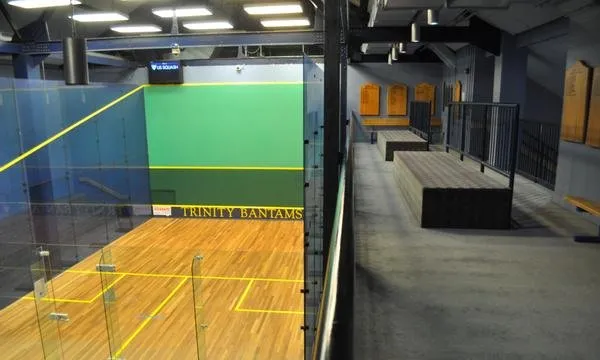
Building a strong squash community takes passion and teamwork. Whether you are a club manager looking to grow membership, a player keen to share your love of the game, a local sports council official aiming to boost community health, or a school coach introducing kids to a new sport, everyone has a role to play.
This article looks at how to strengthen a squash community from the ground up, covering grassroots development, club expansion, event organization, youth programs, and the use of social media. It includes real examples from around the world, with practical ways to make squash more accessible, inclusive, and fun.
Grassroots Development: Squash for Everyone
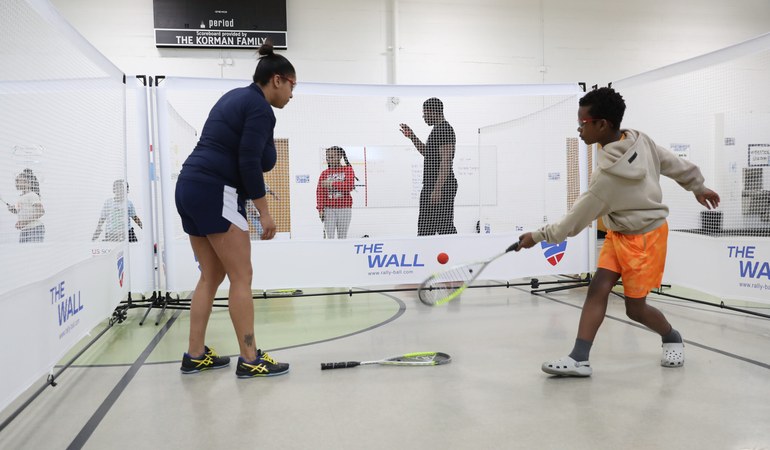
Grassroots development is about introducing squash to new players and making the sport accessible in the wider community. The key is to break down barriers. Squash has an old reputation as an elite or niche sport, but current initiatives are changing that.
Many clubs offer flexible membership options and affordable pricing, helping open the courts to a wider range of people. It also helps to bring squash to where people are: schools, parks, and community centers. Some programs use portable squash walls or modified games in gym classes to give kids a taste of squash in their own schoolyards.
- Schools and youth centers: Partner with local schools to include squash in physical education or after-school programs. Even without full courts, mini-squash games or wall rebounders can spark interest among kids.
- Public courts and open access: Create opportunities for casual play in public spaces. In New York City, the non-profit Public Squash built the first free outdoor squash court at Hamilton Fish Park in Manhattan's Lower East Side, giving anyone a chance to try the game for free. They also hold free public clinics to teach newcomers the basics. This kind of open-access approach increases visibility and welcomes curious newcomers.
- Community outreach: Team up with community organizations such as YMCAs and youth clubs to offer beginner clinics or open house days. On these days, provide equipment on loan and friendly coaching so that anyone can walk in and try squash without cost or intimidation.
One example of grassroots squash promotion is World Squash Day, held annually. Founded in 2001, it has grown into the world's biggest grassroots squash event. On this day, clubs and federations across dozens of countries hold open days, fun tournaments, and bring-a-friend sessions to introduce new people to the game.
From fancy-dress friendly matches to free trial sessions with racquets provided, the emphasis is on breaking the ice and showing that squash is a welcoming, social sport. These efforts at the grassroots level plant the seeds for future players, and perhaps future champions, by making squash inclusive, visible, and easy to try.
Expanding Local Clubs and Facilities
Local squash clubs are the heartbeat of any squash community. Expanding a club does not only mean building more courts, though that can help; it is also about growing membership, improving facilities, and creating an inviting atmosphere for all skill levels. A strong club welcomes players from different backgrounds, juniors and seniors, beginners and veterans, and gives them reasons to stay engaged.
One basic step is to make membership and participation as easy as possible. As noted, many clubs have shed rigid membership models in favor of more inclusive ones, such as off-peak passes, family or youth discounts, and casual drop-in rates. This flexibility lowers the entry barrier and encourages casual players to become regulars.
A friendly, supportive culture matters too: newcomers should feel comfortable. Simple steps like welcome nights for new members, mentor systems that pair rookies with experienced players, or club mixers go a long way in turning one-time visitors into committed members.
Another approach is partnering with larger community institutions or local government to improve facilities. In some cases this has meant integrating squash into multi-sport complexes or securing public funding for upgrades.
In Australia, squash champion Michelle Martin has championed bringing squash courts into council-run sports hubs. She has observed that many of Australia's squash centers were privately built decades ago and have since deteriorated, limiting growth. By working with state and city bodies, Martin has pushed for squash courts to be included in public leisure centers, a shift that unlocks funding and gives squash a presence in high-traffic community venues.
In one Sydney case, three long-closed courts on council land at North Manly were rebuilt with council funding, reviving access in that area. In another, at Willoughby, the community is lobbying the local council to buy an aging private squash center and keep it as a racquet sports hub rather than let it vanish. These examples show how advocacy and collaboration with authorities can help build the future of squash.
Club expansion stories can be encouraging. In Newport, Rhode Island, the Newport County YMCA decided to invest in squash in a big way. In 2022 it expanded its facility to include seven squash courts, one of the most intentional squash investments by a YMCA, to serve the region's members.
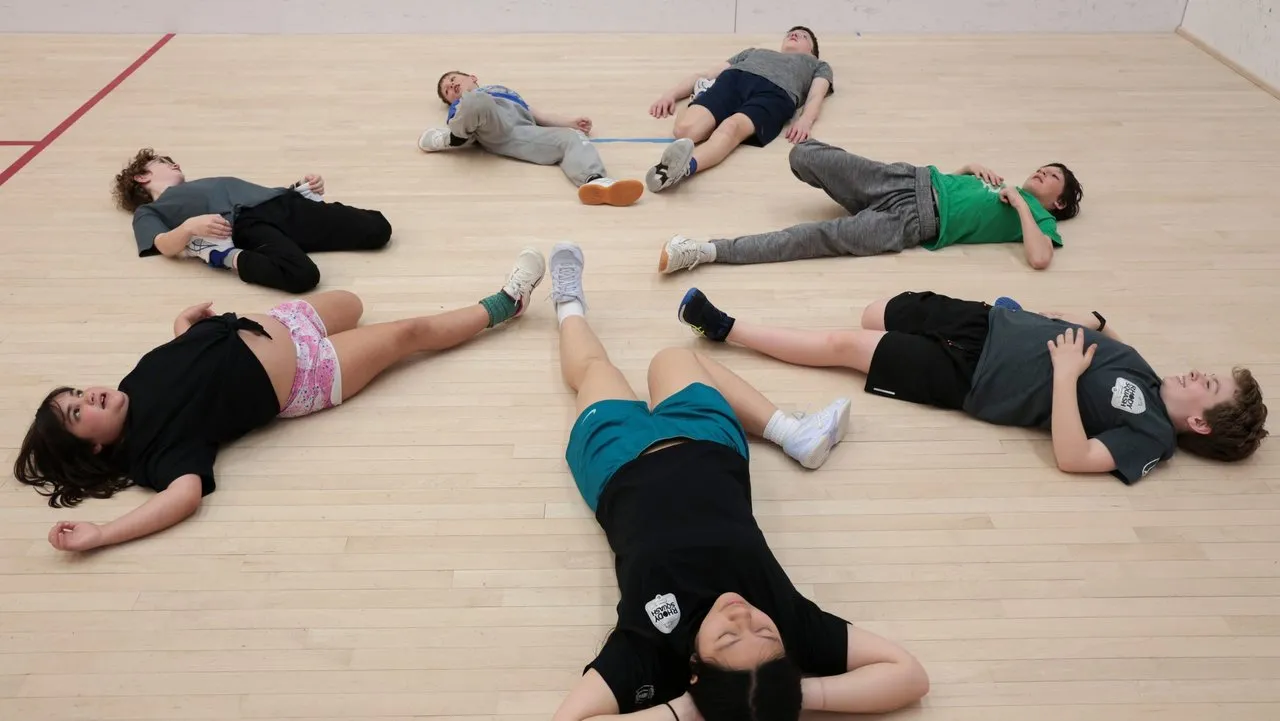
Along with the new courts, it brought in a local non-profit junior program, RhodySquash, and gave it a dedicated space in the facility. By embedding a youth outreach program into a community fitness center, the YMCA ensured the courts would stay busy with activity, from schoolkids to adults.
The lesson is that thinking creatively and forming partnerships, between clubs, non-profits, schools, and community centers, can expand a club's reach and resources. Even if your club cannot build new courts right now, consider partnering with nearby gyms or sports centers to share space, or approach sponsors and local businesses for support in upgrading amenities. Expanding a club is as much about people as it is about courts: grow the people, and the courts will follow.
Organizing Events to Bring People Together
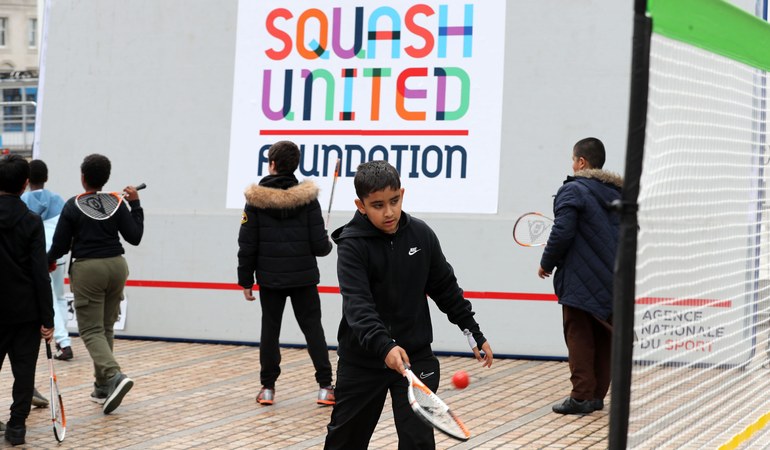
Few things energize a community like a good event. Organizing squash events, big or small, creates interest, builds friendships, and often draws in fresh faces. The options are wide and can be tailored to your community's size and interests. Here are a few event ideas that can strengthen your squash network.
- Open days and taster sessions: Host an open house where anyone can walk in and try squash for free. Provide spare equipment and have club members or coaches on hand to introduce basic skills. Many clubs do this on World Squash Day or during local sports festivals, using themes like bring-a-friend challenges or round-robin mixers to keep it light.
- Leagues and ladders: Set up friendly competitions such as box leagues or challenge ladders that run continuously. These give players regular matches and a chance to meet others. A weekly club night where players are grouped by level, followed by a social in the clubhouse, can become a regular fixture.
- Community tournaments: Organize periodic tournaments for various groups, juniors, adults, mixed doubles, even family tournaments. Put the focus on enjoyment and improvement over trophies. Some clubs run handicap tournaments or fun formats such as one-point shootouts or wood-racquet nights to level the field between beginners and experts.
- Exhibitions and pro showcases: If possible, bring higher-level squash to your community to inspire everyone. This could be an exhibition match featuring top local players or a visiting professional, or a clinic led by a pro coach. Seeing high-quality squash up close is exciting and can motivate players of all ages.
In some cities, major pro tournaments held in public locations have drawn crowds of intrigued onlookers. New York's PSA Tour Tournament of Champions takes place in Grand Central Terminal, in a glass court in Vanderbilt Hall, showcasing squash to thousands of passersby and drawing new interest. Not every town can host a world tournament, but even a local exhibition at a mall or park can turn heads.
One of the more inspiring case studies of community events comes from Austria. There, 19-time national champion Aqeel Rehman started the Austrian Squash Challenge, a squash festival held inside a busy shopping center in Salzburg. At the core of the event is a full glass squash court erected in the mall, where a professional tournament, the Mozart Open, takes place surrounded by curious shoppers.
The real value is in the community engagement: hundreds of schoolchildren are invited for free coaching and hitting sessions on the mall court, athletes from other sports play exhibition matches, and passersby get to try hitting a ball, win small prizes, and chat with players. In 2025 alone, over 400 children got on court during the event, many of whom later joined the local squash club in Salzburg after their first taste of the game.
Rehman's goal was not to showcase the world's top 10 players, but to demystify squash and bring it into the public eye, and it worked. This kind of creative event shows how thinking outside the traditional court can generate interest and growth.
Even if you cannot put a glass court in a mall, you might borrow elements of this: host a squash demo at a local fair, hold a kids day with free lessons, or invite local athletes or media personalities for a match that draws attention. The energy generated at events tightens the bonds within your existing group and welcomes newcomers.
Youth Engagement Programs: Investing in the Future

Engaging young players is central to building a lasting squash community. Juniors bring energy, families, and continuity: today's excited 10-year-old hitting her first forehand could be tomorrow's club captain or even a national champion. To build youth involvement, programs need to be accessible, enjoyable, and supportive both on and off the court.
Schools and after-school programs
Introducing squash at the school level can make a big difference. Many national federations and clubs have launched squash-in-schools initiatives, bringing portable equipment and coaches into school gyms.
Squash BC in Canada runs a Squash in Schools program aimed at exposing students to the sport early. In England, England Squash runs a junior initiative called Squash Stars, a six-week program for children that introduces beginners to the game through fun games and drills. Even a few weeks of exposure can spark interest that leads kids to seek out a local club or junior camp.
Urban squash: combining sport with education
A strong model for youth engagement combines squash with education and mentorship, often called urban squash. These programs, such as those in the Squash and Education Alliance (SEA) network, use squash as a hook to provide tutoring, mentoring, and life opportunities to underserved youth.
The impact has been notable. SEA's network now includes 28 member programs, 21 in the United States and 7 in other countries, working with more than 2,000 elementary, middle, and high school students. These programs offer free coaching, academic support, and enrichment for kids who might not otherwise have access to squash. SEA shows how squash can be more than a game: it becomes a vehicle for youth development.
Similar initiatives are spreading worldwide. Egoli Squash in South Africa, now part of Egoli Youth Empowerment, started as a grassroots effort in Johannesburg to engage township youth in squash. It grew into a holistic program that not only coaches kids on court but also provides academic tutoring, leadership training, and life skills.
Egoli built and refurbished courts in underserved areas such as Soweto to give local kids a place to play, addressing the shortage of facilities that often limits participation. It has partnered with high schools and primary schools to run free training sessions, and has introduced squash to deaf learners and girls-only groups so no one is left out. The result is not just developing good players, but helping young people gain confidence, stay in school, and become community leaders.
Starting small
You do not need a big budget to start engaging youth. Consider running an after-school junior club once a week, or a summer squash camp when school is out. Tap into volunteer power: high school or college players often love to help coach younger kids.
Set up a junior league or ladder so kids can meet peers from other schools and make friends through competition. Make it fun: mix in games, team relays, or music to keep the atmosphere light. If you keep kids smiling as they play, they will want to keep coming back to the courts.
And when parents see their children getting exercise, learning sportsmanship, and balancing sport and studies, they often get involved or even pick up a racket themselves. In this way, youth programs can be a gateway to family participation and the next generation of community members.
Leveraging Social Media and Online Platforms

A squash community is not built only in person; it also thrives online. Social media and other online platforms can amplify community-building efforts by connecting people, sharing stories, and attracting newcomers who scroll across a fun post or event invite. The tone online should mirror what you have on court: engaging, inclusive, and enthusiastic.
Clubs and squash groups are increasingly making use of Facebook, Instagram, YouTube, and other platforms to build their presence. A club Facebook page or group can serve as a bulletin board for announcements such as league nights, upcoming tournaments, and social gatherings, and as a place for members to share their own updates.
Posting photos or short videos of club events, such as a clip of juniors doing a group drill or a snapshot of everyone at the post-tournament BBQ, shows the human side of your community and signals to outsiders that this is a fun, welcoming place. England Squash has encouraged its clubs to use such digital storytelling as a marketing tool, noting that an active social feed can attract prospective members who are browsing online. Simple content goes a long way: a weekly tip from the coach, a member spotlight, or celebrating local results can all boost engagement.
Success stories on social media can also reach beyond your local area. Egoli Youth Empowerment in South Africa has used social media effectively to gain exposure and connect with the communities it serves. By sharing videos of its kids playing and learning, success stories of graduates, and updates on community events, it has attracted media coverage and support beyond the squash world.
Its feeds keep current participants and parents informed and show the program's impact to potential donors, partners, and interested families. This shows how an active online presence can be a virtuous cycle: engaging your base while drawing in fresh support.
Besides social media, consider other online platforms to strengthen your squash community. Many clubs use online booking systems or apps, which make it easier to schedule games and create a sense of a larger network, such as seeing a roster of players you can challenge. Some communities have WhatsApp or Discord groups for quick communication among players. During the COVID-19 lockdowns, some clubs held virtual training sessions or rules quizzes over Zoom to keep people connected, showing that squash communities can stick together even off the court.
Tips for boosting your community online
- Keep content regular and upbeat. Aim for a few posts per week showcasing club life or squash tips. Consistency keeps people engaged.
- Use big events or campaigns. If there is a global event like World Squash Day, use the relevant hashtags and join the conversation. It puts your local club on the wider map.
- Encourage members to contribute. User-generated content, such as a junior player's video about their first tournament or a clip of two coaches doing a trickshot challenge, can personalize your feed and get more buy-in.
- Use social media for shout-outs and thanks. Thank volunteers, congratulate winners, and recognize someone who improved a lot. It builds a positive community spirit.
- Do not forget the interactive side: respond to comments, engage in local sports groups online, and run occasional contests to spark interest.
By bridging on-court activities with an online community, you keep people in the loop and help newcomers discover the squash scene with a simple click. An engaging Instagram post or YouTube highlight reel might be the nudge that gets a curious onlooker to drop by the club in real life.
Conclusion: One Court, One Community
Building a strong squash community is a long-term effort, one that depends on collaboration, creativity, and inclusivity. From the first-time player who shows up on a free trial day, to the veteran coach mentoring kids after school, to the club manager forming partnerships for new courts, everyone's efforts add up.
The examples from around the world, outdoor courts in public parks, squash festivals in shopping malls, combined academic and squash programs, all carry the same message: squash is for everyone, and its value goes beyond the four walls of a court.
As you work on growing your local squash scene, celebrate the small wins. Every new player who falls in love with the game, every junior who gains confidence, every volunteer who steps up to organize an event, these are the building blocks of something bigger. A strong community is not built overnight; it is built day by day, point by point, through shared experiences and shared passion.
By focusing on grassroots growth, supporting clubs, hosting events, engaging youth, and connecting through social media, you are not just promoting a sport, you are building friendships, healthy habits, and long-term engagement.
Squash has a way of bringing people together, whether it is the intensity of the rallies followed by a friendly handshake, or the way players of all backgrounds bond over a post-match chat. That camaraderie is the heart of a squash community. So reach out, open those doors, and share the game.
Building a strong squash community means creating a place where anyone with a passion, or even just a curiosity, for the sport feels they belong. That sense of belonging is the true measure of success, and as communities around the world have shown, when squash opens its doors to everyone, everybody wins.