Squash is a fast-paced sport that puts heavy demands on your feet. While players often focus on shoes and rackets, socks are an equally important part of your gear.
Whether you are a beginner, a competitive athlete, or just playing for fitness, the right pair of squash socks can improve comfort and stability and help prevent common foot problems. This post looks at why specialised squash socks matter, what features set them apart, the science behind their benefits, and how some popular brands and models compare.
Why Specialised Squash Socks Matter
Quality squash socks are designed for the high-intensity, multidirectional movements of squash. They address issues that regular everyday socks often cannot. Here are the key reasons these socks make a difference on court.
Secure fit and support: Squash socks often have an anatomical fit and built-in arch support. A snug, contoured fit keeps the sock from bunching or sliding, so your foot stays firmly in place inside the shoe.
Many have reinforced arch bands or compression in the midfoot to support the arch, which helps stabilise the foot during quick lunges and lateral movements. This support can reduce foot fatigue over long matches and give you more confident footing.
Moisture control and blister prevention: Intense rallies lead to sweaty feet. Unlike plain cotton socks, high-performance squash socks use moisture-wicking fabrics such as polyester, nylon, or special blends to keep your feet dry. Keeping sweat away from the skin matters because excess moisture increases friction and blister risk.
By pulling perspiration off your skin and letting it evaporate, these socks maintain a drier environment that reduces the chafing and hot spots that turn into blisters. One often-cited study with runners found that padded socks made of synthetic acrylic fibres produced about half as many blisters, which were also smaller, compared with identical socks made of cotton, though the researchers noted this advantage depended on the sock's construction.
Cushioning and shock absorption: Squash involves lots of sudden sprints, jumps, and hard stops, which can be tough on your feet and joints. Quality squash socks typically have targeted cushioning, with extra-thick knit panels at the heel, ball of the foot, and sometimes the toes. This padding acts as a shock absorber during impact, reducing stress on your heels and forefoot.
Sufficient cushioning in socks has been shown to reduce impact forces and may lower the risk of strain in the lower legs. The cushioning also makes the shoe fit more snugly by filling voids, which can help stop your foot from sliding inside the shoe during quick direction changes, another factor in blister prevention.
Injury prevention: By combining better support, dryness, and padding, good socks can help prevent common foot injuries. They reduce blisters and sores, stabilise your foot, and absorb impact to protect your joints.
One study found that even in short sports activities, participants wearing technical sports socks had significantly fewer foot injuries than those wearing regular socks. In squash, where you make rapid cuts and pivots, a sock that keeps your foot secure and protected can help you avoid painful problems and keep you on court longer.
Durability and comfort: Squash can be hard on socks, and constant movement can wear through thin or low-quality pairs quickly. High-quality squash socks are built to last, often with reinforced heels and toes (additional yarn in those high-wear areas) to resist holes. They use strong yet soft fibres that hold up to frequent use and washing without losing shape.
Durable socks save you money over time and keep their supportive features. Seamless toe closures, with no hard seam at the toe line, also prevent irritation and make the socks more comfortable for long play.
In short, investing in specialised squash socks pays off in better comfort, support, and resilience on court. Next we look at the evidence and design features behind these benefits.
The Science and Biomechanics Behind Good Socks
Sports scientists and podiatrists have studied how socks affect foot health and athletic performance. Here are a few findings that highlight the impact of proper socks on stability, blisters, performance, and injuries.
Reduced blisters and friction
Blisters are typically caused by a combination of friction, heat, and moisture. Technical sock materials and designs address these factors directly. Research shows that moisture-wicking fibres and proper sock thickness can lower the skin friction coefficient.
In a controlled study of runners, those wearing thick acrylic-fibre socks got fewer blisters than those in cotton socks, helped by better moisture management and padding. Reviews note that denser knit socks with cushioning help dissipate pressure and shear forces on the foot, reducing blister incidence. Drier, well-padded socks create a more stable interface between your foot and shoe, cutting down the likelihood of blisters.
Improved foot stability and agility
If you have ever felt your foot slide inside your shoe during a hard cut, you know it can hurt your performance and cause blisters. This is where advanced socks with grip treads or high-friction yarns come in.
A 2022 sports science study tested grip socks, which have rubberised tread patterns on the sole, and found they increased the static friction between the foot and sock (a coefficient of friction of 1.17 in grip socks versus 0.60 in regular socks). Athletes running an agility slalom course were faster when wearing grip socks, and 3D motion analysis showed less foot slippage inside the shoe during sharp changes of direction.
In squash, where direction changes are constant, reducing in-shoe foot movement means more efficient power transfer and less risk of twisting an ankle. Even without special grip dots, a good elastic fit and the right thickness can keep your foot planted and stable. Many squash socks also use textured or high-friction weaves in the footbed, and Nike uses a high-friction yarn in the footbed of some training socks to reduce slippage.
Cushioning protects performance and joints
Another area of research is how sock cushioning affects impact forces and fatigue. Padded socks act like an extra insole, and studies have measured their effect. In one hiking study, people wearing thick technical socks had far fewer foot injuries over a short hike than those in thin cotton socks, suggesting that even on mild exertion, cushioning and moisture control prevented skin and muscle trauma.
The sock maker Thorlo also reports independently overseen testing in which runners and tennis players using its padded socks experienced markedly less foot pain and lower pressure on the foot compared with their own normal socks, along with fewer and smaller blisters.
By absorbing shock and spreading out pressure, good socks can reduce cumulative stress on your feet. Over time this may lower the risk of strain to tissues like the plantar fascia, Achilles tendon, knees, and shins. It also helps you feel less beaten up after a long match, so you can train or play again sooner.
Compression and recovery
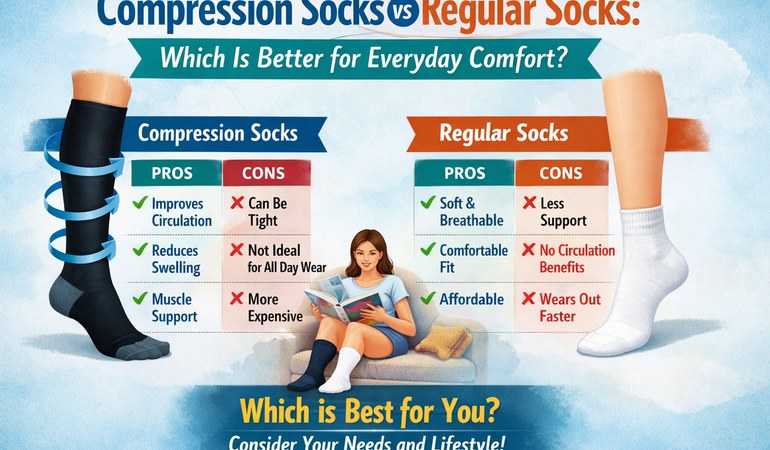
Some high-performance socks include graduated compression, meaning mild pressure on the lower leg or arch, intended to improve circulation and reduce muscle vibration. The evidence here is mixed. Compression socks do not reliably boost speed or endurance during a match, but some studies suggest they may reduce post-exercise soreness and swelling for certain athletes, while other studies find little effect.
The proposed mechanism is that squeezing blood back toward the heart and supporting the calf muscles may aid recovery. For squash players, wearing compression socks or sleeves after an intense session may help your legs feel fresher the next day, though results vary from person to person.
During play, some socks use localised compression around the arch or ankle for support, which can add to the feeling of stability. It is a subtle benefit, but one you might notice in long tournaments or training sessions.
In short, the evidence backs up the intuition that a simple piece of clothing like socks can have measurable effects on your performance and comfort. Keeping feet dry, supported, and cushioned has real biomechanical benefits, from avoiding blisters to improving footing and reducing fatigue. Next, here is how quality squash socks achieve these effects through their design.
Key Features of Quality Squash Socks vs Regular Socks
Not all socks are created equal. Here are the specific features that separate high-quality squash socks from ordinary gym socks or casual cotton socks.
Moisture-wicking materials: Quality squash socks are made from hydrophobic yarns that pull sweat away from your skin. Common fabrics include polyester, nylon, acrylic, or proprietary blends such as Drynamix or Coolmax. Unlike cotton, which soaks up sweat and dries slowly, these fibres disperse moisture and dry quickly.
The result is that your feet stay drier and cooler, even during intense rallies. Many socks also include antimicrobial or anti-odour treatments to keep your shoes fresher. Moisture management is important for blister prevention as well as comfort in a long match.
Targeted cushioning zones: High-end athletic socks add extra padding exactly where you need it. Typically you will find terry-knit cushion, a thicker looped yarn construction, under the heel, the ball of the foot, and sometimes the toes and Achilles region. These zones match the high-impact or high-friction areas in squash.
By cushioning these spots, the sock softens the impact of hard lunges and protects your toes during quick stops. The padding also fills space in the shoe, reducing internal slippage. The rest of the sock can stay thinner to avoid excess bulk, so this strategic padding gives you protection without making the whole sock thick and sweaty.
Arch compression and support: Most squash socks feature some form of arch support band. This is a tighter-knit or elasticated section around the midfoot that hugs your arch. It serves a few purposes: keeping the sock snug (no bunching), providing a gentle lift to the arch (which can delay foot fatigue), and improving proprioception, so you can feel the support, which may help stability.
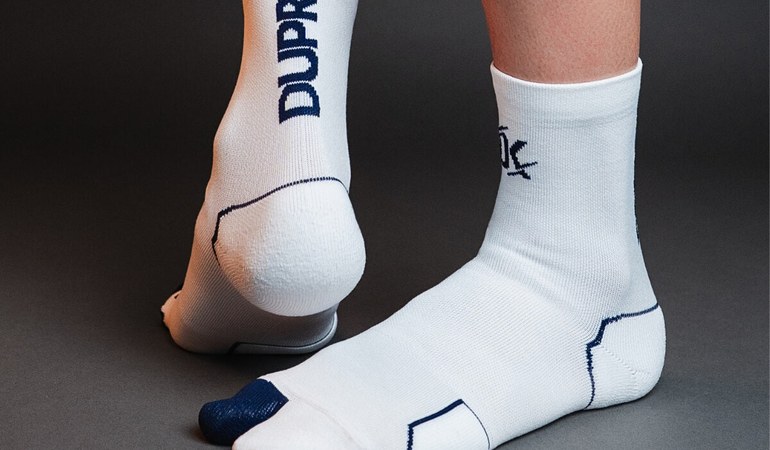
The Falke squash sock has built-in arch support to aid stability, and many others use Lycra or elastane in the arch for a secure fit. This is something generic tube socks lack. A wide ribbed cuff at the top also keeps the sock from slipping down during play without cutting off circulation.
Breathable mesh panels: To prevent overheating, quality socks often include ventilation zones. These are sections of thinner, mesh-like knit, usually on the upper foot or sides, that allow heat and moisture to escape. As your body heats up on court, these airflow panels help keep your feet cooler.
Many squash socks from brands such as Head and Salming advertise mesh inserts for this reason. Keeping feet cool is not just about comfort, it can also reduce swelling and perspiration. Some socks label this feature as cooling lanes, which essentially means engineered channels for air. Combined with moisture-wicking yarn, this ventilation prevents the soggy, overheating feeling you get with cheap socks.
Seamless toes and anatomic shape: A hallmark of premium socks is the seamless toe closure. Instead of a thick stitched seam at the toe line, which can rub against your little toe or nail, the toe area is closed by linking the fibres smoothly. This removes a common source of friction and irritation.
Many performance socks are also anatomically shaped for left and right feet, rather than identical tubes. A left and right specific sock can contour to each foot's shape more closely, giving a wrinkle-free fit and less rubbing. Even without a left and right distinction, a good squash sock has a deep heel cup and an ergonomic design to fit your foot naturally. The aim is to minimise any excess fabric that could bunch up and cause discomfort mid-play.
Anti-slip grip: Some modern sports socks include grip technologies to prevent sliding, either inside the shoe or between the sock and foot. Examples include small rubberised dots or patterns on the sole, as seen in dedicated grip socks, or high-friction yarn on the footbed. The idea is to improve traction between your foot, sock, and shoe.
In squash this can help on explosive pushes off the court or sudden stops, so your foot does not keep moving forward when your shoe has stopped. Not all squash socks have this; it is more common in specialty grip socks or some soccer socks. Some players use grip socks or wear two socks (double layering) to reduce internal slippage, though double socks can sacrifice feel and increase heat.
If you have had issues with toes jamming into the shoe or feet sliding, consider socks with an anti-slip design. Karakal's X2+ sock, for example, has silicone grip dots on the sole to anchor your feet.
Durable reinforcements: High-quality socks justify their higher price partly by lasting longer. Reinforced heels and toes are standard, with a double layer or high-density weave since these areas are prone to wearing through. This means you are less likely to poke a toe through the sock after just a few matches.
Some socks also use fibres like nylon for strength, or aramid yarns in toe areas for abrasion resistance, while staying soft to the touch. Quality squash socks keep their elasticity and shape after many washes, so they continue to hug your foot well. A useful tip is to avoid high-heat drying, which can degrade elastic fibres and cause shrinkage.
The longevity of good socks can offset the cost: cheap cotton socks tend to wear out quickly through holes and loss of stretch, whereas a durable pair of squash socks can handle season-long use.
Regular cotton gym socks lack most of these features. They tend to absorb sweat, getting damp and abrasive, provide minimal padding, and often have seams or a poor fit that can lead to blisters. Quality squash socks use advanced materials and design to keep your feet dry, supported, and protected. It is the difference between making do and actually optimising the comfort and performance of your feet on court.
Comparing Popular Squash Sock Brands and Models
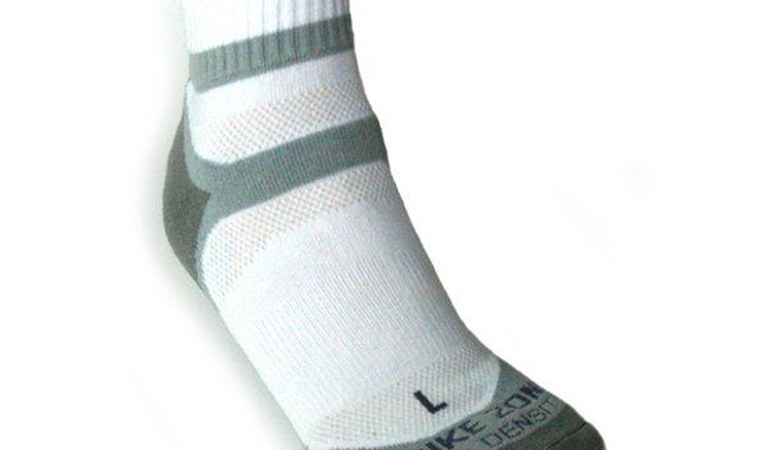
There are many socks marketed for sports and squash. The table below summarises a few popular options, followed by a closer look at each, to help you pick a sock that fits your needs and budget.
| Brand / model | Approx. price | Key strengths | Trade-offs | Best for |
|---|---|---|---|---|
| Karakal X4 Technical Socks | around 9 pounds per pair | Strong cushioning, secure no-slip fit, rubber sole grip, built-in arch support | Warmer and bulkier than thin socks | Regular or competitive players wanting maximum comfort and shock absorption |
| UnSquashable Tour-Tec Pro Socks | around 16 pounds for a 2-pack | High-performance mix: good ventilation, targeted cushioning, precise bunch-resistant fit | Premium price; more than casual players need | Competitive and tournament players investing in top-tier squash-specific gear |
| Thorlo Padded Socks | around 14 to 16 US dollars per pair | Heavy heel and ball padding, clinically tested for blister and pain reduction, durable | Thicker and heavier; can run hot or tighten shoes; higher price | Players with foot discomfort, blisters, or impact pain, and hard courts |
| Babolat and Tecnifibre Crew Socks | multi-packs around 10 to 20 pounds | Good value, reinforced heel and toe, decent cushioning and moisture wicking, medium thickness | Lack specialised features like grip or targeted compression; not squash-specific | Casual players, club competitors, or anyone on a budget |
| Nike and Asics Performance Socks | around 3 to 5 US dollars per pair in packs | Widely available and affordable, Dri-Fit wicking, terry cushion, some high-friction footbed yarn | Not sport-specific; mild arch support, less targeted ventilation, may wear faster | Beginners, recreational players, and cross-trainers |
Karakal X4 Technical Socks (around 9 pounds per pair)
Karakal is a squash-focused brand, and its X4 series is a top seller. These are padded in key areas with extra thickness in the toe, heel, and underfoot, plus built-in arch support for a stable fit, and the sole has a rubber grip for stability on court. Some Karakal models, such as the X2+ sock, include anti-slip dots on the sole to stop your foot sliding inside the shoe.
- Pros: strong cushioning and a secure, no-slip fit; effective at blister prevention and reducing impact on hard courts.
- Cons: the thick padding makes them a bit warmer and bulkier than thinner socks, so they are not ideal if you prefer a light, thin feel.
- Ideal for: regular or competitive squash players who want maximum comfort and shock absorption and do not mind a thicker sock. They are a good choice if you often get blisters or sore feet.
UnSquashable Tour-Tec Pro Socks (around 16 pounds for a 2-pack)
UnSquashable, a brand inspired by and developed with legendary player Jahangir Khan, offers the Tour-Tec Pro sock as a premium option. The brand bills it as its most technically advanced specialist squash sock. These socks have a snug, elasticated fit and are engineered for squash-specific movements.
- Pros: a high-performance mix of features, with good ventilation, targeted cushioning, and a precise fit that resists bunching. They are designed for serious players, so they tend to stay put and feel confident underfoot.
- Cons: they come at a premium price per pair, higher than general sports socks, and casual players may find them more than they need.
- Ideal for: competitive and tournament players willing to invest in top-tier gear and who want a sock developed specifically for squash agility and comfort.
Thorlo Padded Socks (around 14 to 16 US dollars per pair)
Thorlo is known for its cushioned socks, and many squash and tennis players use them. Thorlo's socks feature dense padding that the company says has been clinically tested to reduce blister frequency and foot pain.
- Pros: heavy padding in the heel and ball of the foot, which excels at preventing blisters and absorbing impact, plus good durability, so a pair can last a long time. The thick cushioning suits sensitive feet or prior foot issues.
- Cons: they are thicker and heavier than most athletic socks, which can make shoes feel tighter or run hot in warm conditions, and the price is on the higher end.
- Ideal for: players who get a lot of foot discomfort, blisters, or impact-related pain, anyone playing on particularly hard courts, and players who value comfort over a barefoot-like feel.
Babolat and Tecnifibre Crew Socks (multi-packs around 10 to 20 pounds)
Major racquet sport brands like Babolat and Tecnifibre make their own athletic socks, which many squash players use, especially at club level. These are typically sold in 3-packs. Babolat's crew socks (around 10 pounds for three) use a cotton-polyester blend with reinforced heel and toe areas for durability. Tecnifibre's socks (closer to 20 pounds for three) emphasise a balance of support and comfort in a classic design.
- Pros: generally good quality for the price, with multiple comfortable pairs that offer decent cushioning and moisture wicking, and reinforced stress zones that hold up better than generic cheap socks. They tend to be medium thickness, which suits most players.
- Cons: they may lack specialised features like anti-slip grips or targeted compression found in dedicated squash socks; they are solid all-purpose sports socks rather than squash-specific.
- Ideal for: casual players, club competitors, or anyone on a budget who wants reliable socks without spending more per pair, as a step up from basic cotton socks.
Nike and Asics Performance Socks (around 3 to 5 US dollars per pair in packs)
Many players start with general athletic socks from big brands like Nike, Adidas, or Asics. Nike's Everyday Cushion Crew sock, often around 20 US dollars for a 6-pack, is a popular choice. It uses a Dri-Fit polyester fabric to wick sweat and has a terry cushion sole for comfort.
- Pros: widely available and affordable. These socks do a fair job of keeping feet dry and have enough padding for most activities. They often include a little spandex for a snug fit, and Nike's version adds high-friction yarn in the footbed to reduce slippage. For new players or general fitness enthusiasts they are a big improvement over plain dress socks or thin cotton socks.
- Cons: they are not sport-specific, so the support and cushioning, while decent, are not optimised for squash; arch support is mild and ventilation is less targeted, and they may wear out faster under heavy use.
- Ideal for: beginners, recreational players, or those who cross-train in many sports. If you already own these for running or the gym, they will work for squash too.
Price versus performance
In general, expect to pay anywhere from about 3 to 5 pounds per pair for basic sports socks up to about 10 to 15 pounds per pair for top-of-the-line squash socks. If you play daily or have had foot issues, the higher end of that range can be worth it. Occasional players may find mid-range multi-pack socks perfectly sufficient.
It often comes down to personal preference: some players like a thick, cushioned sock while others prefer a thinner, tighter one for more feel. It is worth trying a couple of brands to see what suits your feet and playing style.
Conclusion
Upgrading your socks may not be as exciting as getting a new racket, but it can noticeably improve your on-court experience. Quality squash socks keep your feet supported, dry, and comfortable through every lunge and scramble, so you can focus on your game instead of sore or slipping feet.
The evidence suggests that the right sock features, from moisture-wicking fibres to strategic cushioning, can help prevent blisters and injuries and support your stability and agility on court.
With many options available, you can find a pair that fits your needs and budget, whether you are a casual player or a tournament regular. Putting a little more thought, and perhaps money, into your socks is a simple way to protect your feet and support your game.