
Introduction
Modern squash clubs are much more than a box with courts: facility quality and the convenience of services drive member satisfaction, loyalty, and performance. Surveys of health club members have found that overall value and facility quality are primary determinants of how members feel about their club, and Sport England's clubhouse guidance notes that thriving clubs make a continuous, conscious effort to design and maintain their facilities for all users.
This article looks at how facility components, from court design and locker rooms to social spaces and technology, shape the member experience across different types of squash clubs worldwide.
Court Design and Quality
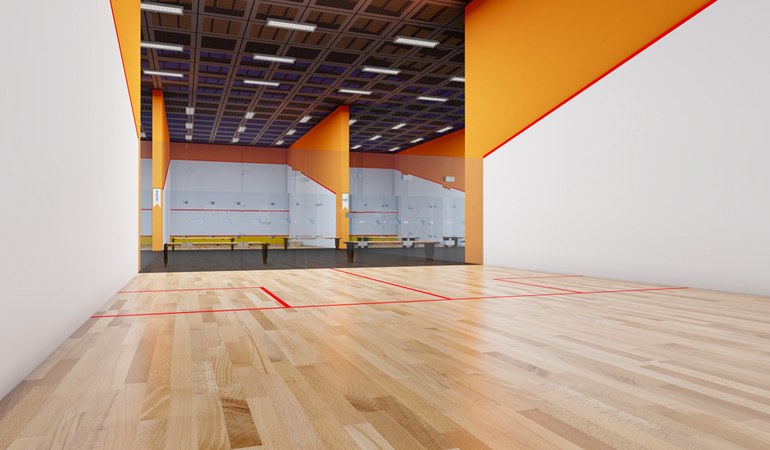
Flooring, wall materials, lighting, and climate control all shape play. A high-quality floor provides shock absorption and consistent ball bounce; standards such as EN 14904 for sports flooring set out the grip, elasticity, and evenness a surface should have. A floor that is too hard or slippery raises the risk of sprains.
Lighting and ventilation matter just as much. Many clubs now install bright, evenly distributed LED lighting designed for squash, which improves visual comfort and reduces fatigue. A court temperature around 18 degrees Celsius with low humidity is generally considered ideal, and many clubs aim for roughly 16 to 20 degrees Celsius to balance player comfort with ball dynamics; without good airflow, courts become humid and walls or floors can turn slick.
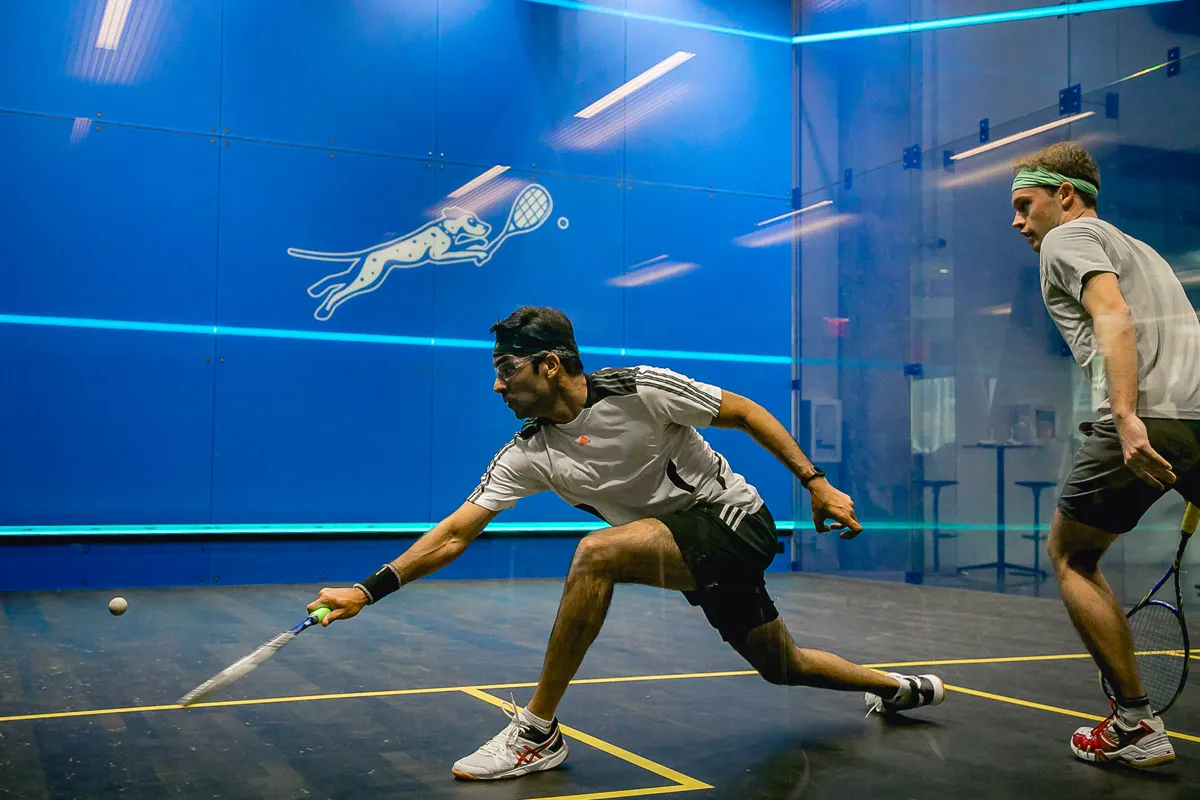
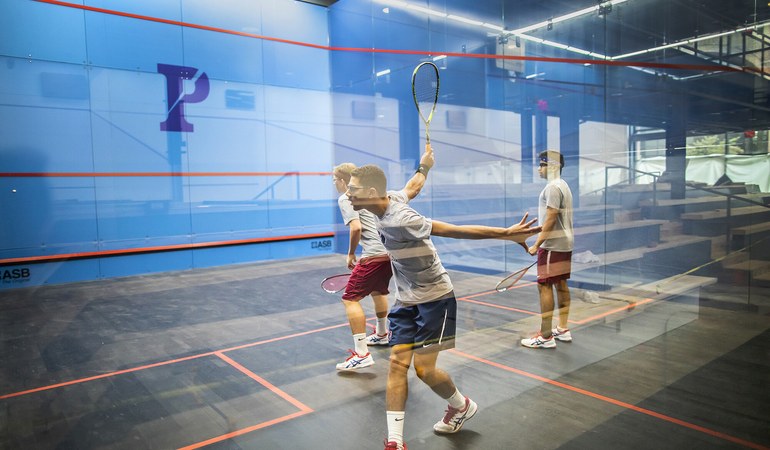
Glass back walls or full glass courts improve spectator viewing and atmosphere. The National Squash Centre in Manchester has a glass-walled show court with bowled seating; Trinity College's George A. Kellner Squash Center introduced glass-panelled walls and pyramid-style amphitheatre seating; and the University of Pennsylvania's facility added spectator seating that makes the club more welcoming for families and supporters.
Consistent, well-lit courts at the right temperature also aid performance, since practice resembles competition. After the Penn Squash Center in Philadelphia was renovated to 12 courts, including two glass exhibition courts, with new LED lighting and digital scoring, it improved daily training and now hosts major collegiate championships; players and coaches describe it as one of the best in the country.
Locker Rooms and Player Amenities
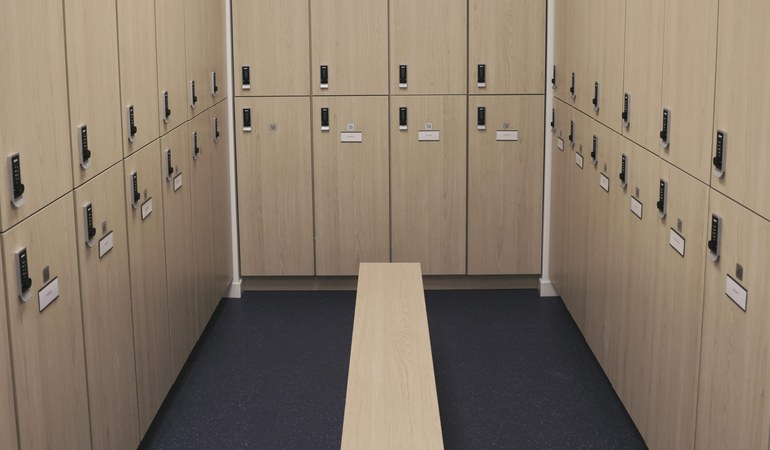
Clean, comfortable locker rooms shape a member's overall impression. Clubs typically provide:
- Spacious lockers
- Clean showers and fresh towels
- Extras such as steam rooms or saunas
Even members who rate facilities as good quality still ask for refreshed locker areas, so continual updates to decor, cleanliness, and convenience matter. Higher-end clubs add saunas, whirlpools, and physical therapy rooms. The Heights Racquet & Social Club in Minnesota, for example, has dedicated men's and women's locker rooms with showers and saunas plus an in-house laundry service, so busy professionals can fit in a match and refresh before returning to work. Cramped or unhygienic changing rooms, by contrast, signal a club is not meeting members' needs.
On-site fitness and recovery add further value: a gym for warm-up, cross-training, and strength work under one roof aids retention, and some clubs offer trainers, squash-specific fitness or yoga, and recovery options such as a cold plunge, foam-rolling and stretching zones, or physiotherapy. Sea Island Resort in Georgia integrates squash with a full fitness centre and spa, giving players an indoor lap pool, steam and sauna rooms, a whirlpool, and a cryotherapy chamber for recovery.
Even modest clubs benefit from small touches like ice packs, a hydration station, and well-ventilated restrooms. Clubs are also adding family changing rooms, baby-change stations, and separate toilets and showers for junior players to make themselves more welcoming to parents and young players.
Social Spaces and Community Areas
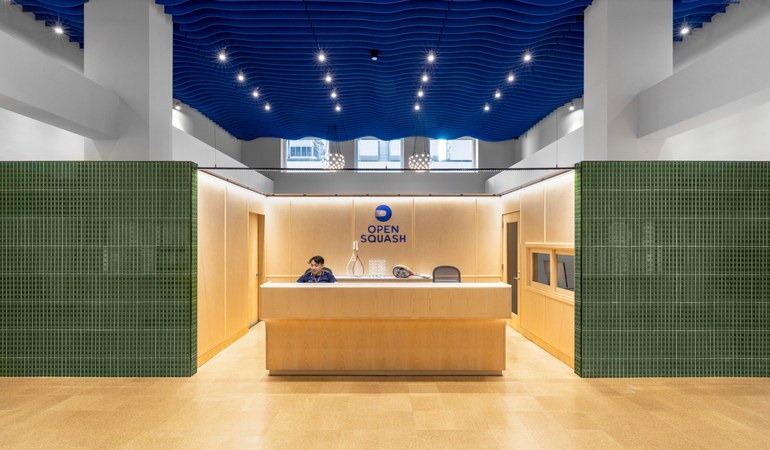
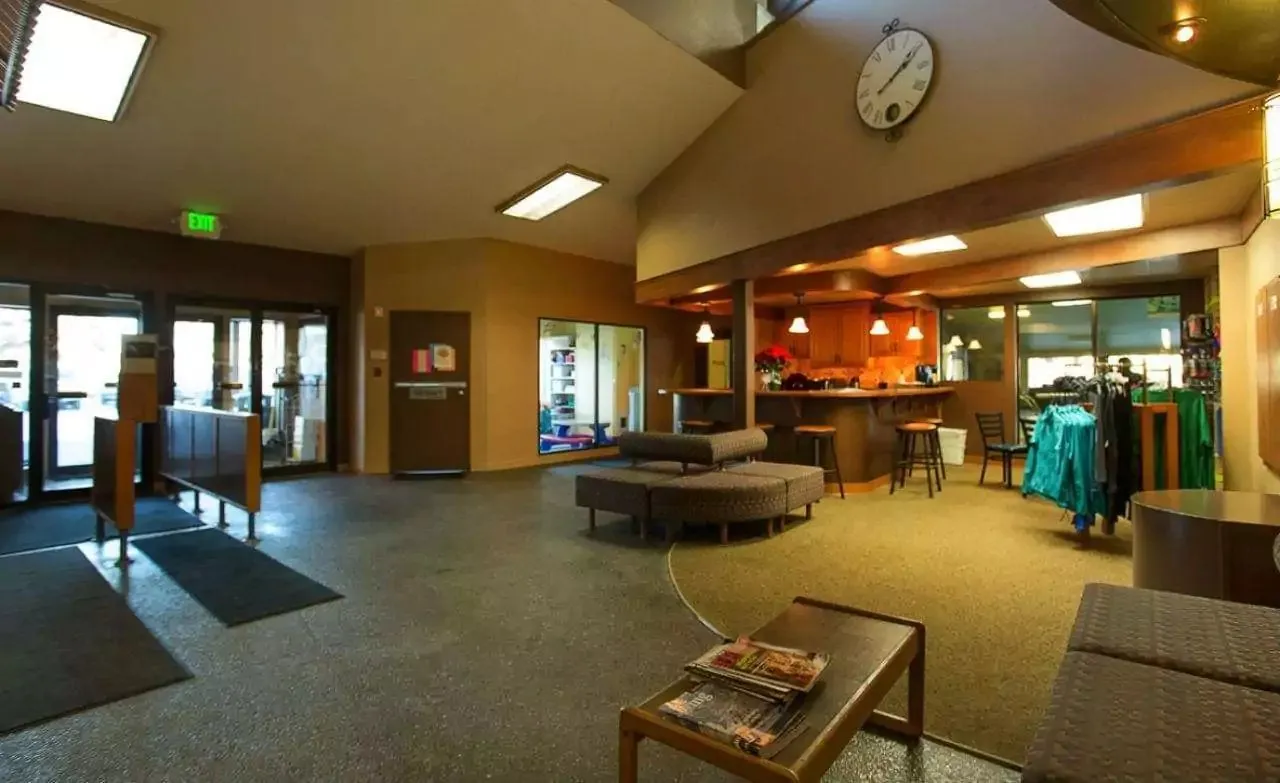
Squash has always been a social sport, and many players value the time after a match as much as the games. Lounges, cafes, and communal spaces with seating, a bar, or a coffee shop foster a sense of community, and members who make friends off the court are more likely to keep coming back.
Many clubs design their layout to combine squash with social activity: glass court enclosures and open viewing galleries draw spectators and waiting players together, and a nearby lounge adds screens, Wi-Fi, refreshments, and sometimes match replays or rankings. Bar nights and cafe specials after league play are common. In London, the private Bath & Racquets Club in Mayfair blends sport and social life, with a lounge and bar where members gather after games, so squash sits alongside leisure and networking.
Clubs run weekly club nights, tournaments followed by dinners, parties, or viewing events for professional finals. In one tennis and squash club survey, a leading member suggestion was simply to run more social events. Portland Community Squash in Maine, a non-profit designed as a multigenerational community centre, expanded with a cafe and more community space to strengthen community cohesion; it serves several hundred members, including many young people and parents who join for the welcoming environment and programmes as much as for squash.
Technology Integration in Club Operations
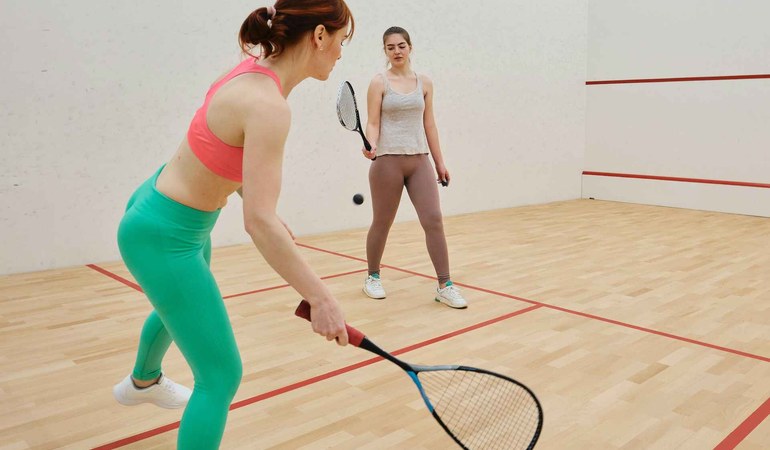
One of the most widespread upgrades is court booking apps and digital reservation systems. Web or mobile platforms let members see court availability in real time and book in a few taps, and they handle waitlists, cancellations, and payments smoothly while freeing staff from administration.
Beyond bookings, many clubs install digital scoreboards or interactive court technology that keeps score, provides instant replay, or projects training games on the front wall. Some equip courts with cameras, such as the Save My Play system used at The Heights Racquet & Social Club, which lets players record matches or drills and review them later. The renovated Penn Squash Center added digital scoring on every court and video capabilities so matches can be streamed or recorded.
Engagement apps are a growing trend. Platforms such as Club Locker in the United States and SquashLevels in the United Kingdom let players record results, track ratings and rankings, and find opponents at their level. Club Locker underpins US Squash's ratings, including the Universal Squash Rating, while SquashLevels is a results-based rating system recognised by the World Squash Federation and the PSA. Ranking ladders, where each match updates a player's standing, give members a reason to keep playing regularly.
On the operations side, club management software ties together memberships, bookings, league schedules, and access control, reducing errors and double bookings. An active online presence, event calendars, and live streams of club tournaments raise a club's profile and can draw in new members or sponsors.
Case Studies: Facilities in Action
Different models, community, commercial, private, and university, have each used facilities to improve the member experience.
| Club | Location and model | Standout facilities |
|---|---|---|
| Portland Community Squash | Maine, USA: community non-profit | Recently expanded with squash courts, a community cafe, locker rooms, study rooms, and fitness space, open to all ages and income levels with youth development programmes. The cafe and social spaces encourage families to spend time at the club, strengthening community bonds. It serves several hundred members, with people coming for tutoring, events, and a welcoming community as well as squash. |
| Hasta La Vista | Wroclaw, Poland: commercial public club | One of the largest squash facilities in the world, with more than 30 international-standard courts including a glass show court, plus a fitness gym, pro shop, and on-site hospitality. The mix gives members ample court access and a place to train, compete, and socialise. It hosts frequent tournaments and major events, and peak-time demand remains high. |
| Bath & Racquets Club | London, UK: private club | A small, exclusive club with well-maintained traditional courts and an elegant clubhouse with a bar and lounge in a historic Mayfair building. It offers a premium experience focused on both squash and lifestyle, where the refined setting and social scene add to members' enjoyment. Membership is limited and retention is high. |
| University of Pennsylvania Squash Center | Philadelphia, USA: university facility | Twelve courts built to international specification, including two glass exhibition courts, with spectator seating, team rooms, fitness and physio space, and digital scoring and video on every court. It gives students and club members a strong training venue and doubles as a community asset by hosting major tournaments. Members describe it as one of the best facilities in the country. |
| The Heights Racquet & Social Club | Minnesota, USA: multi-sport commercial club | Squash courts alongside pickleball and padel courts under one roof, plus a full on-site gym, dedicated locker rooms with showers and saunas, an in-house laundry service, a lounge with TVs and Wi-Fi, and frequent social events across sports. Members can cross-train and socialise in one place. The club is built around community and attracts younger players who value flexibility and modern amenities. |
Whether a non-profit community centre or a private club, facility investment matched to member needs, more courts and fitness space for a busy public hub, or comfortable lounges for a social club, tends to raise satisfaction and engagement. When facilities support a club's broader mission, as with Portland's community focus or Penn's performance focus, they become an engine for both retention and achievement.
Conclusion
High-quality courts improve playing satisfaction, support safety, and aid performance by providing good training conditions, while well-appointed locker rooms, fitness and recovery areas, and comfortable social spaces add value that keeps members coming back. These physical components work together with club culture and programmes such as leagues, social events, and coaching; neglected or outdated facilities, like poor lighting or dirty changing areas, quickly undermine the experience.
Across different countries, from Poland's large centre combining squash and leisure to community models that make a club a second home for families, the common thread is thoughtful facility planning aimed at members, increasingly including apps, smart courts, and analytics. A well-designed club, one that looks good, runs smoothly, and serves both the athletic and social needs of its users, delivers a better experience, and members who step into a clean, well-equipped, busy club are likely to stay longer and get more out of the game.
Related on SquashChamps
- Best Squash Court Booking Apps and Software
- Squash Court Reservation Software: A Quick Guide
- World's Most Expensive Squash Club Memberships
- Top National Squash Centers Around the Globe
- Browse top squash clubs worldwide