
Competitive squash is physically intense and mentally demanding, which makes players prone to burnout if training and recovery are not carefully managed. Burnout can show up as chronic exhaustion, loss of motivation, and declining performance.
This guide brings together practical strategies for professional and junior squash players to maintain long-term physical and mental well-being. It covers daily routines, long-term training design, tournament preparation, mental resilience techniques, and recovery practices, all aimed at sustaining both performance and enjoyment.
It is general guidance, not medical advice; talk to a coach, doctor, or sports medicine professional about your own situation.
Early Warning Signs of Burnout and Overtraining

Recognizing burnout early matters. It is often preceded by physical, emotional, and behavioral warning signs. Players, coaches, and parents should watch for symptoms such as the following.
- Physical exhaustion and fatigue: persistent tiredness, heavy legs, or an elevated resting heart rate that suggests incomplete recovery. Players may feel drained even after routine practice.
- Declining performance: a sudden or sustained drop in match or training performance despite training hard. Overtrained athletes often struggle to recover between sessions and may even see strength or endurance regress.
- Frequent injuries or soreness: an increase in minor injuries (sprains, strains) or muscle soreness lasting longer than usual, because the body is not getting enough time to repair.
- Sleep and appetite changes: trouble sleeping, poor sleep quality, insomnia, or changes in eating habits (loss of appetite or overeating) can signal excessive stress on the body. Consistently disrupted sleep adds to fatigue and hinders recovery.
- Mood and motivation loss: noticeable irritability, cynicism, or low mood, and a lack of desire to train or compete in a sport once loved. Athletes might withdraw socially or feel detached from the game.
- Reduced concentration and staleness: difficulty focusing during matches, a negative attitude, or a sense of boredom and staleness in training.
Overtraining syndrome is a recognized condition in which an athlete experiences ongoing fatigue and declining performance despite continued or increased training, and it can take weeks or longer to resolve. There is no single test for it; it is identified from an athlete's history, symptoms, and the absence of another explanation, and the main treatment is rest.
If multiple warning signs are present, intervene early rather than training through them. Early steps may include reducing training load, scheduling a few days or weeks of rest, and seeking support. Talk to a coach or a sports medicine professional about symptoms so they can help adjust training plans or address underlying issues.
In more serious cases, consulting a sports psychologist can provide strategies to spot and manage burnout. Taking a step back when warning signs appear is a smart investment in long-term progress.
Structuring Daily Training for Well-being
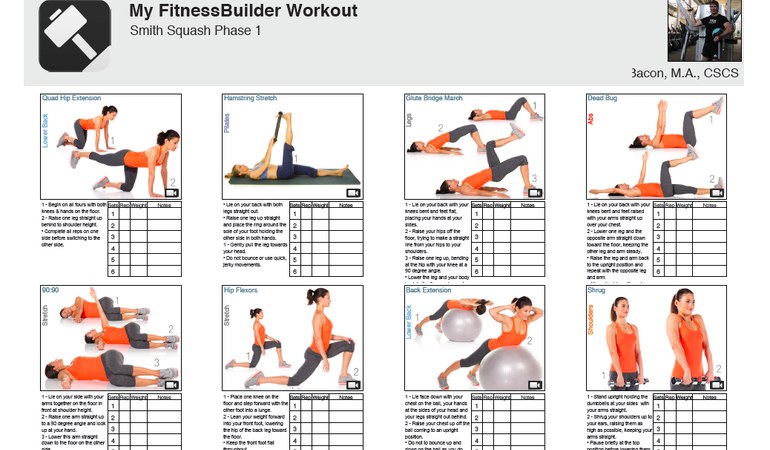
How a player structures the day can either reduce or contribute to burnout. A well-designed daily schedule balances intense work with adequate rest and variety to keep the body healthy and the mind engaged. Useful daily strategies include the following.
- Dynamic warm-ups and cool-downs: each day should start with a proper warm-up, for example mobility drills, dynamic stretching, and light cardio, to ease soreness and prepare the body for intense work. Dynamic movements before training activate the neuromuscular system and increase blood flow, which can improve performance and reduce injury risk. Light activity after a session helps the body return toward its resting state and can ease stiffness from hard rallies.
- Balanced session intensity: avoid making every session all-out, and vary intensity between sessions on the same day. If a morning squash session is very intense, plan a lighter technical session in the afternoon, or follow a lighter morning with a harder afternoon workout. For example, a high-intensity session of 90 to 120 minutes in the morning might be followed by a lighter 60 to 90 minute hit focused on solo drills or technique. Adjust effort based on how you feel: if fatigue is high, it is fine to back off intensity or cut a session short.
- Incorporate cross-training and strength work: a daily routine should not be entirely squash. Mixing in strength and conditioning improves physical resilience and reduces monotony. After on-court work a player might do around 30 minutes of intense fitness drills (sprints, ghosting, bike intervals) and then a weights or core workout. Strength training, especially for the core, legs, and shoulder stability, can enhance performance and help prevent injuries. Flexibility or mobility work, such as yoga or dynamic stretching, can slot into warm-ups or separate sessions.
- Schedule rest within the week: even on training days, build in downtime to recharge. At least one full rest day per week is essential to let the body and mind recover. A common weekly structure for pros is training hard Monday through Friday, a lighter session on Saturday, and Sunday off. Juniors, with school commitments, might train fewer days but still need one or two rest days. On rest days, resist the urge to sneak in extra training; light, enjoyable activities such as a walk or a casual swim keep you active without taxing the body.
The table below shows a sample off-season weekly schedule for a professional player, illustrating a balanced week with varied intensity and rest.
| Day | Morning | Afternoon |
|---|---|---|
| Monday | Warm-up plus 90 to 120 minutes of squash (intense drills or practice games). | 60 to 90 minutes of squash (lighter technical session), 30 minutes of high-intensity conditioning such as court sprints, and a strength and core workout. |
| Tuesday | Warm-up plus 90 to 120 minutes of squash (intense if Monday was light, or vice versa). | 60 to 90 minutes of squash (skills focus if the morning was hard), 30 minutes of aerobic fitness such as running or cycling, and upper-body strength training. |
| Wednesday | Warm-up plus 90 to 120 minutes of squash (drills or matches). | 60 minutes of solo practice or technique work, 30 minutes of ghosting footwork drills, and core stability exercises. |
| Thursday | Warm-up plus 90 to 120 minutes of squash (match simulation or conditioned games). | 60 to 90 minutes of squash (an easy hit to refine shots) and 30 minutes of interval training such as 400m run repeats. |
| Friday | Warm-up plus 90 to 120 minutes of squash (an intense final session for the week). | A light gym session (mobility, stretching, prehab exercises) and mental skills practice such as visualization and breathing. |
| Saturday | A moderate squash session (drills or match-play, around 60 to 90 minutes). | Recovery activities such as a light jog or yoga and foam rolling. |
| Sunday | Rest day with full recovery (rest, leisure, family time). | At most passive rest or gentle stretching. |
During the competitive season, training volume is typically reduced. As tournaments approach, players taper by shortening sessions and focusing on speed and sharpness rather than heavy fitness load. In tournament week, the afternoon might be skipped or replaced with brief explosive drills and extra stretching so the athlete is fresh and mentally sharp on match day.
Long-Term Training Design for Career Sustainability

Building a sustainable squash career, professional or junior, requires long-term planning. Periodization (systematic training cycles), strategic rest, and injury-prevention practices all help avoid chronic burnout. Key principles include the following.
- Periodize training cycles: rather than training at full intensity year-round, use a cyclical approach. A common framework is to train in mesocycles of about four weeks, with three weeks of progressively increasing load followed by one lighter unloading week. This 3:1 pattern helps the body adapt and limits the buildup of overtraining, though the ideal block length varies between athletes. Over a year (the macrocycle), include phases for general preparation, specific preparation, competition, and an off-season transition. Tapering before important tournaments, reducing volume one to two weeks beforehand while keeping some intensity, can improve performance and reduce burnout risk. You are not meant to be at peak fitness all the time; there are peaks and valleys by design.
- Use the off-season wisely: deliberate off-season breaks help both pros and juniors. After the main season, take time away from high-stakes competition to recover and come back refreshed. That might mean a few weeks with no tournaments and reduced volume, and a chance to mix in other recreational activities. In junior squash there is growing pressure to play year-round, but early specialization and nonstop competition raise the risk of burnout and overuse injury. Even elite pros schedule an off-season, for example a block of four to six weeks after the season to rest, rehabilitate injuries, cross-train, and then gradually ramp up.
- Prioritize rest and recovery blocks: in addition to weekly rest days and the off-season, plan for longer breaks when needed. At least one or two full weeks off squash per year can help with injury prevention and enthusiasm, and youth athletes often benefit from more. After major tournaments or a run of competitions, a recovery week with very light training or complete rest helps the athlete rebound. This is not wasted time; during rest the body repairs muscle, replenishes energy stores, and the mind gets a break from competitive pressure.
- Cross-training and multi-sport engagement: overuse injuries and mental burnout often come from doing one activity all year. It helps, especially for juniors, to play other sports as part of long-term development. Many top players also played tennis, soccer, or athletics in their youth, which supported overall athleticism and kept their interest in squash fresh. Cross-training such as cycling, swimming, or strength work can improve general fitness without adding wear to the same muscles and joints. A focus on a single sport from an early age is not required for elite success and can be counterproductive.
- Monitor training load and physical health: over the long term, track workloads (hours on court, miles run) and subjective fatigue, and avoid sudden spikes in intensity or volume. If you use modern tools, tracking weekly training load or heart-rate variability can warn of accumulating fatigue. Check in periodically on injuries or niggles, since addressing small issues early can prevent them from becoming serious. Many programs build periodic screenings into the off-season to catch problems early.
- Injury prevention as a continuous goal: a long career is only possible if you stay healthy. Build injury-prevention work into training cycles, for example strength training and plyometrics, flexibility routines, and consistent warm-up and cool-down habits. Emphasize technique and biomechanics too, since efficient movement and good lunge form reduce strain and protect the knees over time. If an injury occurs, take the appropriate rest and rehab time. It is better to miss two weeks now than six months later.
Smart Tournament Preparation and Scheduling
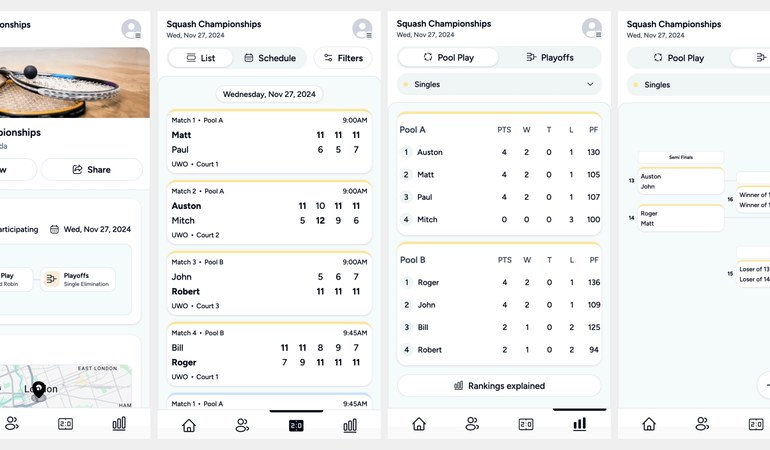
Preparing for competition involves more than hard training; it requires strategic rest and mental planning to prevent burnout from the stress of tournaments. Useful approaches include the following.
- Strategic tournament scheduling: avoid cramming too many tournaments into a short period. Chasing points or experience by playing back-to-back events with no downtime is a fast track to burnout. Many players prioritize certain major events and treat others as lower priority so they have recovery time between big efforts. Build a calendar with rest weeks after each cluster of tournaments. Coming into a tournament fresh, after a short taper, often produces better performance than playing exhausted.
- Taper and peak for key events: as a tournament nears, shift the focus to quality over quantity. Reduce training volume in the last seven to ten days before a major event, with a longer taper for the biggest events and a shorter one for a minor event. During the taper, keep some high-intensity work to stay sharp but keep it brief, paired with plenty of stretching, massage, or other recovery work. Use the pre-tournament phase to sharpen skills such as accuracy and timing rather than heavy fitness.
- Mental preparation and routine: tournaments are mentally stressful, with pressure, unfamiliar opponents, and the stakes of winning or losing. Establish a pre-match routine that includes mental components such as visualization, breathing exercises, and positive self-talk. For example, a player might spend five minutes visualizing successful rallies and calming their breath before stepping on court. Off court, manage stress by planning logistics well (travel, meals, warm-up times) and keep a balanced perspective by focusing on executing your process rather than only on winning. Junior players should be shielded from excess pressure.
- Recovery during tournaments: multi-day tournaments require quick recovery between matches. After each match, do a proper cool-down (light jogging or stationary bike, gentle stretching), then rehydrate and refuel promptly. Protect sleep on tournament nights, using relaxation techniques such as reading, meditation, or calm music to wind down. Mentally detach between matches by doing something relaxing or spending time with supportive people rather than ruminating on squash. The faster you bounce back each day, the less cumulative fatigue you carry into the end of the event.
- Post-tournament debrief and rest: after a tournament, take a short down period. Review your performance with your coach to learn lessons, then allow yourself a mental and physical break. Even a few days of lighter practice or complete rest can reset your system. Acknowledging your effort regardless of outcome and catching up on other parts of life helps restore balance.
By scheduling competitions carefully, tapering effectively, and managing the mental game around tournaments, athletes can compete at a high level without the chronic stress and exhaustion that lead to burnout.
Psychological Techniques to Build Resilience
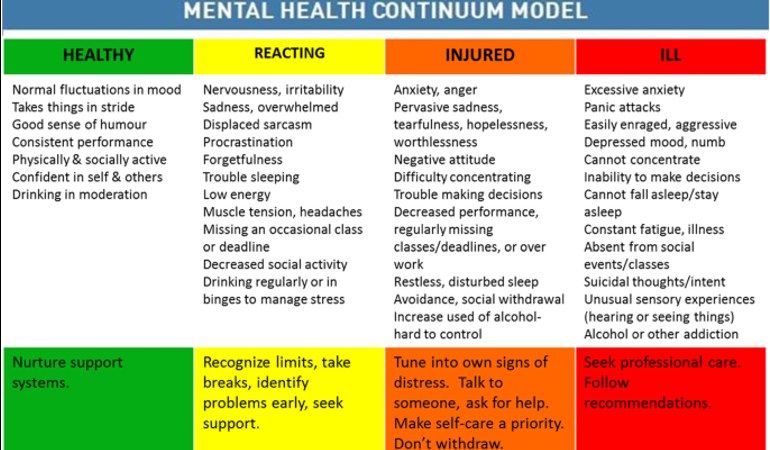
Mental resilience matters as much as physical fitness in squash. Sports psychology practices can improve stress management, maintain motivation, and help prevent mental burnout. Useful techniques and supports include the following.
- Mindfulness and meditation: practicing mindfulness helps athletes stay present, self-aware, and calm under pressure. In squash, that means developing awareness of your thoughts, feelings, behaviors, strengths, and weaknesses. Regular meditation, even 5 to 10 minutes a day of focused breathing or body awareness, can reduce stress and improve focus. A study of adolescent squash players in South Africa found that both mindfulness and self-compassion were associated with lower athlete burnout, and that self-compassion partially explained the link between mindfulness and parts of burnout such as reduced sense of accomplishment and devaluing the sport. Coaches can introduce simple breathing exercises, for example box breathing or focused nasal breathing.
- Self-compassion and positive self-talk: burnout can be worsened by a harsh inner critic and perfectionism. Responding to setbacks with kindness rather than frustration can buffer against emotional exhaustion. Encourage positive self-talk: replace thoughts like "I'm playing terribly" with constructive ones like "I'm tired today, but I'll do my best and learn from this." Over time, a habit of positive self-talk and self-compassion builds steady confidence and counters the cynical mindset that can come with burnout.
- Goal setting and motivation: the right goals keep athletes motivated and reduce burnout caused by boredom or feeling overwhelmed. Work with coaches to set a mix of short-term and long-term goals that are challenging but realistic. A process goal might be improving forehand drop-shot consistency within two months, while an outcome goal might be reaching the quarterfinal of a target tournament. Keep goals personal and intrinsic, focusing on skill mastery and enjoyment rather than only rankings and titles, and reassess them so they stay relevant.
- Visualization and imagery: visualization is a mental rehearsal tool used by many players. Picturing successful execution, seeing and feeling yourself playing well, can strengthen skills and build confidence. It can also be calming; visualizing yourself staying composed in a tough match can reduce anxiety. Many athletes include imagery in their daily routine, often as part of a warm-up or cool-down. Used consistently, it prepares the mind for high-pressure situations so they feel more familiar and manageable.
- Developing a pre-match mental routine: a go-to routine that includes mental components can ground you, for example a sequence of deep breaths, a specific stretching pattern, and a key cue such as "fast, focused, prepared." The routine signals your mind to enter a confident state and narrows your focus to controllable actions. Focusing techniques, such as picking a spot on the wall or using cue words, can bring you back to the present if your mind starts to race.
- Seeking support: sometimes the mental load of competitive squash is hard to handle alone, and that is okay. A sports psychology consultant or mental coach offers a professional outlet and can teach tailored strategies for relaxation, concentration, and emotion management. Beyond professionals, lean on your support network of coaches, teammates, and family. For junior players, parents and coaches should create an environment where the athlete feels safe discussing pressure or fatigue without judgment.
Mental skills are like muscles in that they need regular training. Mindfulness, goal-setting, visualization, and seeking psychological support when needed can all improve an athlete's mental stamina. Squash is as much a mental game as a physical one, and training the mind helps players handle adversity and stay engaged with the sport for the long run.
Nutrition, Sleep, and Recovery Routines
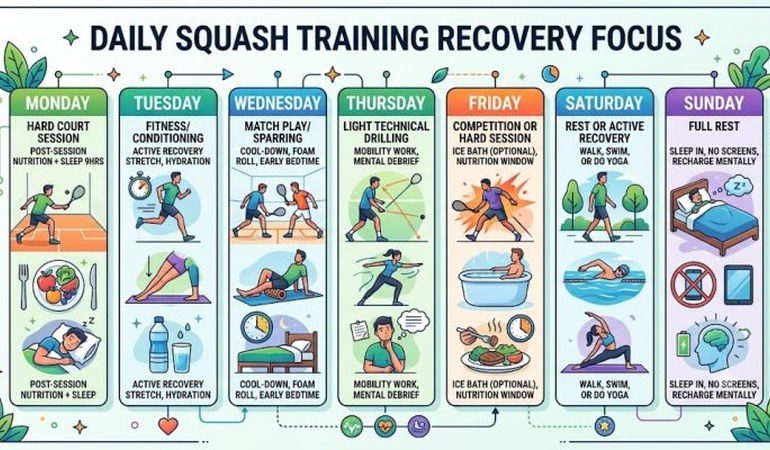
A complete burnout-prevention plan includes lifestyle factors: nutrition, sleep, and recovery routines. These are the foundations that let training translate into performance gains, and neglecting them can lead to fatigue, illness, and breakdown.
Nutrition and hydration: fuel your performance and recovery with a balanced diet. Intense training depletes energy stores (glycogen), causes muscle micro-damage, and loses electrolytes through sweat, so what you eat and drink affects how well you bounce back.
Squash players should get adequate carbohydrates for energy, lean protein for muscle repair, healthy fats for longer-term energy and cell function, and plenty of fruit and vegetables for micronutrients. In practice, that means carbohydrates (pasta, rice, whole grains, fruit) before and after training, protein at each meal, and regular hydration.
Do not underestimate hydration: even mild dehydration can increase fatigue and harm performance, so drink water regularly and consider electrolyte replacement around long sessions. During tournaments or long training days, snack smartly to maintain blood sugar, for example bananas, energy bars, or electrolyte drinks between matches. A simple rule is to eat a variety of whole foods and time your intake around training (a good meal a couple of hours before, a recovery snack within about 30 minutes after). Avoid drastic dieting or under-eating, since chronic energy deficiency can contribute to overtraining symptoms.
Prioritize sleep: sleep is one of the most powerful recovery tools available, and it is free. During quality sleep the body repairs and builds muscle, regulates hormones, and supports the immune system, while the brain processes the day's learning.
Athletes generally benefit from more sleep than the 7 to 9 hours recommended for adults overall, with many performing best on roughly 8 to 10 hours, and younger athletes often needing the upper end of that range. Short sleep tends to raise stress and make training feel harder.
Build good sleep habits: keep a consistent schedule, create a cool, dark environment, and limit screens and intense mental activity before bed. If your training is heavy, a brief daytime nap can help. Athletes who struggle with sleep, for example because of nerves or travel, can try relaxation techniques at bedtime such as deep breathing, progressive muscle relaxation, or mindfulness meditation.
Routine recovery practices: alongside rest days and sleep, build active recovery and other recovery activities into your routine. Active recovery means low-intensity exercise that promotes blood flow without stress, for example a light 20-minute swim, an easy bike ride, or a brisk walk on a rest day.
Flexibility and mobility work is another pillar: static stretches or yoga on off-days can relieve tension, and although research is mixed on performance effects, many athletes simply feel better with regular stretching. Foam rolling or self-massage is popular for soreness, and some players use cold therapy (ice baths or contrast showers) or occasional sauna sessions, though the evidence on overall recovery benefit is mixed. The key is to choose recovery methods you will actually do consistently. The table below compares common recovery techniques and their benefits.
| Technique | Benefits | How to use it |
|---|---|---|
| Sleep (aim for the higher end of your range) | Supports muscle repair and growth during deep sleep, hormone regulation, immune function, injury healing, and mental recovery (improved mood and focus). | Keep a consistent schedule, make the room dark, cool, and quiet, and consider short naps of about 20 to 30 minutes if you need extra recovery. |
| Active recovery (light aerobic exercise such as walking or easy cycling) | Increases blood flow to muscles, reduces stiffness and soreness, and promotes relaxation without strain. | Do it on rest days or after intense sessions, keep the intensity low (a light sweat, not fatigue); even a fun sport or easy swim works. |
| Stretching and mobility (dynamic stretching, yoga, foam rolling) | Maintains or improves flexibility and range of motion, may reduce the sensation of tightness and soreness, and aids relaxation. | Use dynamic stretches in warm-ups, static stretches or yoga in cool-downs or on off-days, and foam roll tight spots for 5 to 10 minutes. |
| Massage therapy (or self-massage) | Eases muscle tension and knots, improves local blood flow, supports recovery from intense training, and provides relaxation and stress relief. | If possible, get a professional sports massage periodically during heavy training, and use self-massage tools such as foam rollers or massage balls between sessions. |
| Cold water immersion (ice bath, contrast shower) | Can reduce the sensation of soreness and acute swelling and can refresh the legs, though evidence on overall recovery benefit is mixed and routine use after every session is not necessary. | Use it after very intense sessions or matches; a typical protocol is roughly 10 degrees Celsius for 5 to 10 minutes, or a contrast shower alternating about one minute cold and one minute warm. |
| Nutrition and hydration (balanced diet, fluids, electrolytes) | Replenishes the energy (glycogen) used in training, provides protein for muscle repair, rehydrates to maintain muscle function, and supplies vitamins and minerals for recovery. | Do not skip the post-training meal; include protein and carbohydrates, drink fluids through the day (urine color is a rough hydration guide), and consider electrolyte drinks during long bouts. |
| Mindfulness and relaxation (meditation, breathing exercises, leisure) | Lowers stress, improves mental clarity, reduces anxiety, aids sleep by calming the mind, and helps prevent mental burnout by providing balance. | Take 5 to 10 minutes for deep breathing or meditation daily, for example box breathing, and make time for hobbies, socializing, or simply unplugging from squash. |
Every athlete will have a personal recovery mix. Find what works for you, and make recovery a regular habit rather than an afterthought. No one performs well without adequate recovery; it is nearly as important as the training itself. By fueling properly, sleeping enough, and using recovery techniques, squash players can train hard and still come back with energy day after day.
Special Considerations for Junior Athletes
All of the above applies to players of any age, but junior squash athletes face specific challenges that make burnout prevention especially important. Young players are still developing physically and emotionally, and an imbalance in their training or life can lead to early burnout or quitting the sport. Here are additional points for juniors, parents, and coaches.
- Avoid early specialization: juniors should be encouraged to play multiple sports or have varied athletic experiences, especially before their mid-teen years. Focusing on squash exclusively at a young age increases the risk of burnout, overuse injuries, and narrower overall athletic development. Many elite players credit playing other sports in their youth for their success and longevity in squash.
- Manage competition load in youth: it can seem helpful to enter a child in every tournament, but more is not always better. Year-round competition with no break can mentally drain young players and take the fun out of the sport. Young athletes should have at least one extended break from competition each year, for example a summer off from tournaments, to reset.
- Keep it fun and player-driven: the main reason children play sports is that they enjoy it. High external pressure (rankings, college admissions) can turn squash from a game into a grind. Include fun games in practice, build a positive team atmosphere, and allow time for unstructured play. A youngster who keeps their love of the game is far more likely to push through tough training and setbacks.
- Balance training with school and life: junior players juggle academics and social life with squash, and overloading their schedule can lead to chronic stress. Aim for sport-life balance: flexible training schedules around exam periods, time for friends and other interests, and good time-management skills. That might mean reducing squash hours during finals or keeping one lighter day mid-week for homework.
- Parental and coaching support: parents and coaches should watch for burnout signs in juniors (mood swings, a drop in grades, loss of enthusiasm) and intervene supportively. Create an environment where the child feels comfortable saying if they are overwhelmed or need a break. Celebrate effort and personal growth rather than only victories, and help the junior set process-oriented goals. If a junior shows serious burnout symptoms, it may be wise to scale back training or take a break from competition to rekindle their interest.
For junior squash players, sustainability and enjoyment are paramount. With thoughtful scheduling, a supportive atmosphere, and attention to the child's overall well-being, young athletes can develop their full potential without burning out before their prime.
Conclusion
Preventing physical and mental burnout in competitive squash takes a proactive, well-rounded approach. Athletes need to balance intense training with intentional recovery, pay attention to their bodies and minds, and make adjustments before fatigue and frustration build.
Daily routines should include proper warm-ups, varied training, and built-in rest. Long-term planning through periodization, off-season breaks, and injury-prevention work pays off in longer careers. Even at the highest level, periodic unloading weeks and transition phases show that rest is treated as part of training, not a luxury.
Tournament preparation should be smart and stress-managed rather than an endless grind. Mental skills like mindfulness, goal-setting, and positive self-talk create a buffer against burnout, and seeking sports psychology support is a sensible step when needed. The fundamentals of health, a nutritious diet, quality sleep, and recovery routines form the platform that lets players thrive under training stress.
Watch for the warning signs and treat recovery as part of training, not a reward for it. Players who do tend to last, not just through one hard season but across the years it takes to get genuinely good and stay there.