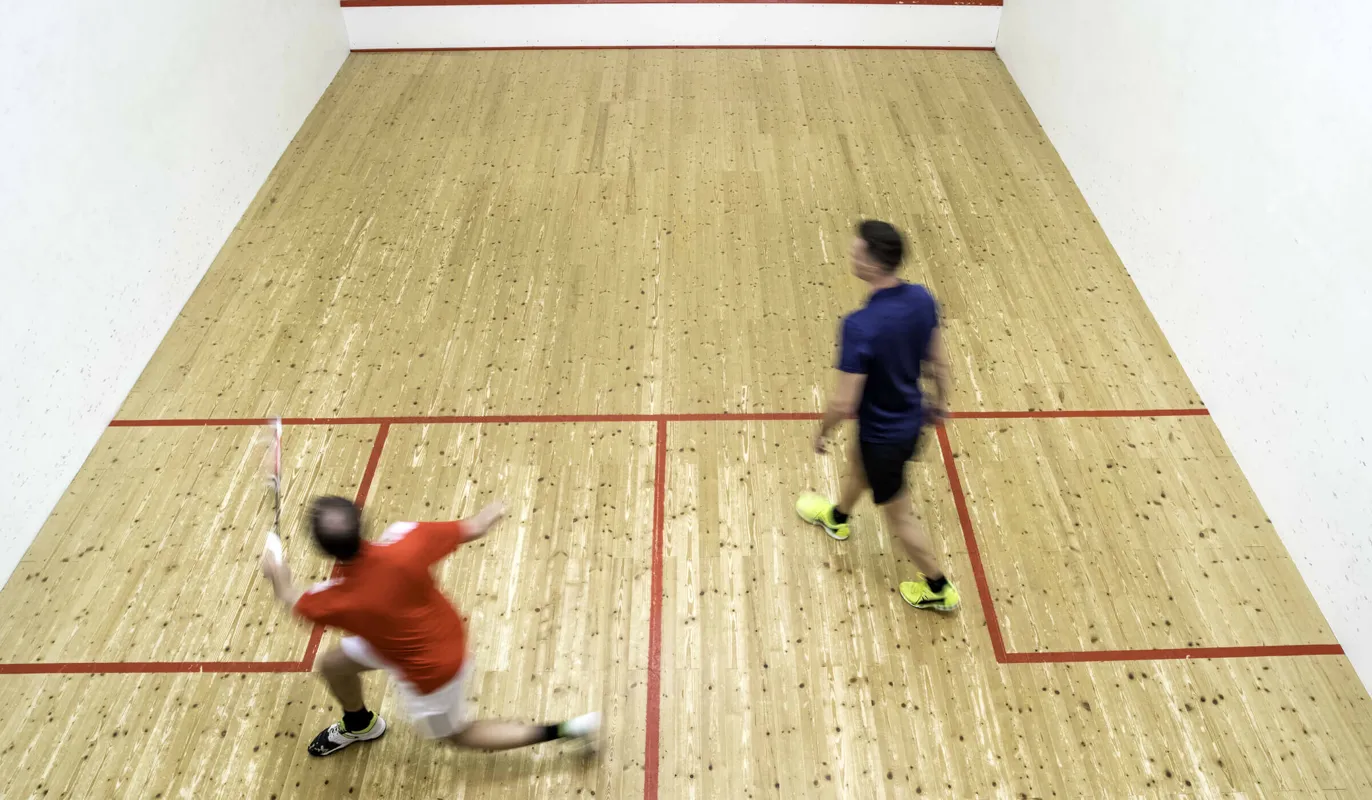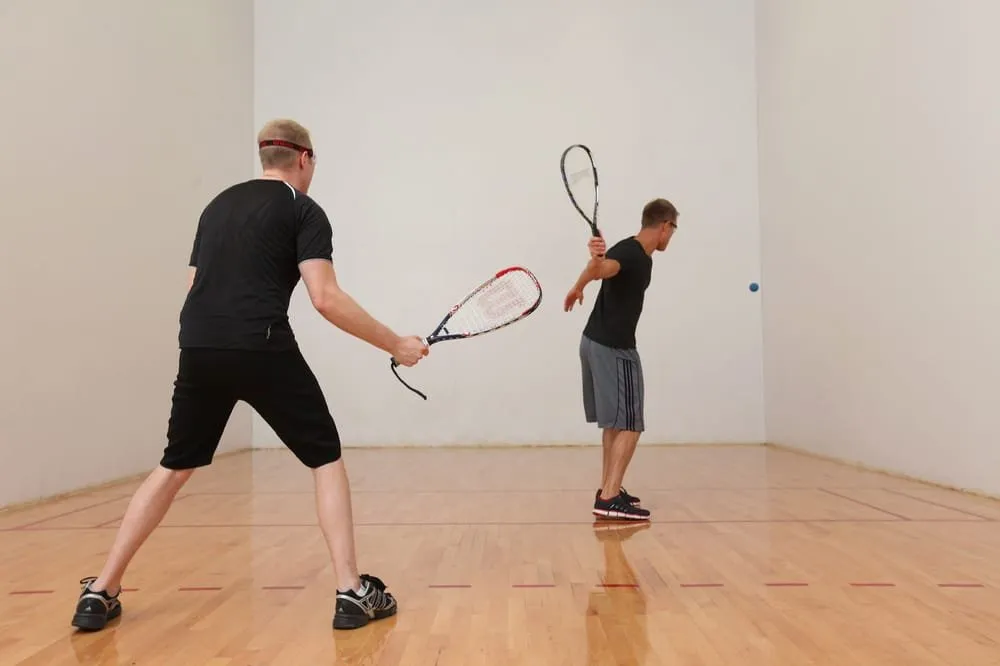

Squash is a high-intensity indoor racquet sport. Regular play offers a full-body workout and a range of health benefits for both body and mind.
Squash has often been called one of the healthiest sports. In 2003, Forbes magazine ranked it the number one healthiest sport, scoring it above rowing and rock climbing on measures of cardiorespiratory endurance, muscular strength, muscular endurance, flexibility, calorie burn, and injury risk.
Played in a four-walled court with a small rubber ball, the game raises your heart rate and strengthens muscles while also sharpening mental focus and building social connections. Research on racquet sports suggests that playing them regularly is linked to better health and longer life.
A large 2016 study of more than 80,000 British adults, led by researchers including the University of Oxford, found that people who played racquet sports had a 47% lower risk of death from any cause and a 56% lower risk of death from cardiovascular disease compared with those who did not, though these are associations rather than proof of cause. Below we look at the health benefits associated with playing squash, covering physical fitness, mental well-being, and social health.
Physical Health Benefits
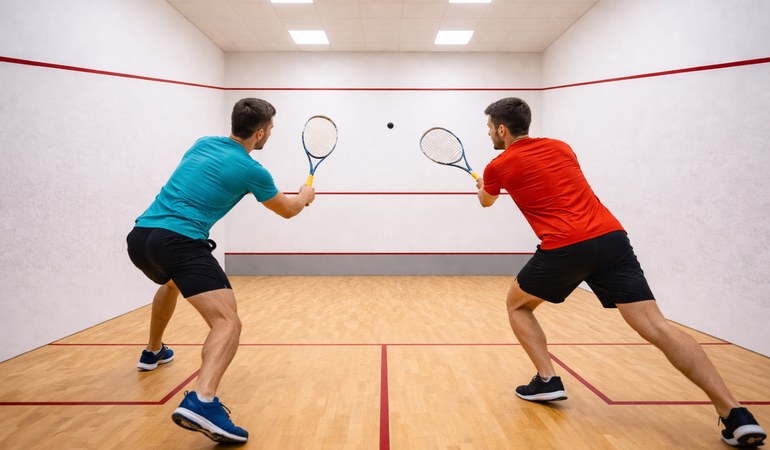
Squash is an intense cardiovascular workout that can improve heart and lung health. During a match, players engage in repeated short bursts of sprinting, lunging, and changing direction, which keeps the heart rate high. Studies of elite players have recorded match intensities of roughly 81% to 92% of maximum heart rate, with the top of that range showing how demanding the sport can be.
This kind of sustained aerobic exercise strengthens the heart muscle and improves circulation. Over time, regular squash play can help lower resting heart rate and blood pressure as the heart becomes more efficient, and racquet sports have been linked to lower rates of hypertension and heart disease.
As one sports medicine physician, Dr. Craig Mauro of UPMC, has noted, healthy aging needs a combination of cardio, strength, and plyometrics including explosive movements, and squash delivers all of these in one activity. As a result, squash players tend to have strong stamina and aerobic fitness, which supports both performance on court and general health.
Beyond the heart, squash provides full-body strength and endurance training. The sport's dynamic movements work many major muscle groups, each match involving rapid acceleration, deceleration, and direction changes. The main areas worked include:
- Legs: quadriceps, hamstrings, glutes, and calves build power as you lunge and sprint.
- Upper body: swinging the racket and hitting the ball strengthens the forearms, biceps, triceps, shoulders, and chest.
- Core: the abdominals and lower back are constantly engaged to stabilise the body during twists, turns, and swings.
Over time, playing squash tones the muscles and improves muscular endurance, helping you generate powerful shots late into a game. Squash works much like high-intensity interval training, alternating intense rallies with brief rest, which helps build both fast-twitch power and sustained endurance. These gains carry over into daily life, with regular players often noticing improved strength for everyday activities.
Another benefit of squash is improved flexibility, agility, and coordination. Chasing down balls in all corners, bending low, reaching high, and twisting to swing naturally improve your range of motion. The running, leaping, lunging, and quick directional changes can increase flexibility in the hips, legs, arms, and shoulders over time, and many players find their overall mobility and balance improve.
Agility and hand-eye coordination are constantly tested, since tracking a small fast-moving ball and reacting in split seconds requires fine coordination. Regular squash training sharpens reflexes and footwork, which can translate into better balance. Australia's Better Health Channel notes that squash promotes good coordination, agility, and flexibility and helps build hand-eye coordination. This makes squash a useful way to maintain neuromuscular skills as we age.
Squash can also be effective for weight management and bone health. It is a high-calorie-burning activity, with a casual game burning several hundred calories and harder play burning more. Estimates put an hour of squash at roughly 500 to over 1,000 calories depending on intensity, and one squash energy-metabolism analysis described an hour of squash as comparable to running about 7.5 miles in terms of energy demand.
That makes squash a strong choice for anyone looking to lose weight or maintain a healthy weight, since a consistent calorie burn helps create a healthy energy balance. Combined with proper nutrition, regular play can help reduce body fat and improve body composition over time.
Squash is also a weight-bearing exercise that stresses the skeletal system. The impact of running and jumping, plus the force transmitted through your arms when hitting the ball, stimulates bone density. WebMD notes that racket sports such as squash can help bone density by stressing the racket arm, wrist, and shoulder with each hit and working the hips and spine through all the running, which can help maintain bone strength and guard against osteoporosis with age.
The cumulative physical benefits of squash are substantial. Playing improves cardiovascular health, increases strength and fitness, supports a healthy weight, boosts flexibility and agility, and hones coordination. These improvements enhance performance on court and also translate to a healthier, more capable body in everyday life. Squash covers nearly every major aspect of physical conditioning, which is a large part of why it ranks so highly for fitness.
Mental Health Benefits

Squash also offers mental and psychological benefits. Like many forms of exercise, a vigorous game triggers the release of endorphins and other feel-good neurotransmitters in the brain. These natural chemicals can lift your mood and help ease stress and anxiety.
Many players find that an intense session is a good stress reliever, since the focus required during play forces you to set aside outside worries and provides a healthy outlet for tension. A fast-paced rally can act almost like active meditation, offering a temporary break from daily stressors.
Over time, regular physical activity like squash is linked to lower stress levels and a better ability to cope with challenges. Exercise is also associated with reduced symptoms of depression and anxiety and an overall sense of well-being, and many squash players report finishing a game feeling calmer and in a better mood. Exercise in general is known to improve sleep quality and cognitive function, and squash is no exception.
Squash is often called "physical chess" for its strategic nature, and it gives the mind a workout too. The sport demands concentration, quick decision-making, and adaptability. Players must constantly track the ball's trajectory, anticipate the opponent's moves, and plan their own shots under time pressure.
This kind of focus can improve concentration and quick thinking in daily life as well. Squash is frequently described as a thinking player's game, where smart strategy often beats brute force, and training your brain to react swiftly and strategise on the fly can sharpen mental alertness and hand-eye coordination.
Regular exercise has also been linked to better memory and a lower risk of cognitive decline, with studies finding that older adults who stay active tend to perform better on tests of reasoning and memory. While squash specifically has not been studied for brain health as much as aerobic exercise in general, it provides the kind of moderate-to-vigorous activity that research associates with protecting the brain as we age. In short, playing squash challenges both your muscles and your mind.
Squash can also support self-confidence and mental resilience. Mastering new skills, from a cleaner backhand to outsmarting a tough opponent, brings a sense of accomplishment that can carry into other areas of life. Each improvement on court can build self-esteem as practice and persistence pay off.
Squash also teaches mental toughness, since competitive matches require keeping a cool head under pressure and learning from mistakes quickly. Over time, players often cope better with both wins and losses. The sport's community side, discussed below, supports psychological well-being too: belonging to a group of fellow players and sharing friendly competition contributes to a positive outlook and reduces feelings of loneliness.
The Better Health Channel notes that squash is associated with improved general and psychological well-being, greater self-confidence and self-esteem, better concentration, and stress release. Together these make squash a useful tool for mental health: a stress reliever, a confidence builder, and a cognitive challenge in one activity.
Social Benefits

Squash may look like an individual sport, often played one on one, but it offers real social benefits. Because you need a partner or group to play, squash brings people together, and many players form friendships through regular meet-ups at local courts or clubs.
Playing is a chance to meet new people and widen your social circle, since clubs and leagues mix players of different backgrounds and ages. Beginners are often welcomed into local squash communities where more experienced players help them learn, creating a supportive network. This can be especially valuable for adults who find it harder to make new friends, as the court becomes a place to bond over a shared interest.
The Better Health Channel highlights that squash offers better social skills and an opportunity to make new friends. In an age of rising loneliness and screen time, a sport like squash encourages real face-to-face interaction.
Squash also helps develop teamwork and sportsmanship, particularly in doubles or team leagues. In doubles squash, with two players per side, communication and cooperation with your partner are key: you learn to coordinate movements and trust each other's abilities, which can improve communication skills and a teamwork mindset.
Even in singles, squash teaches respect for your opponent and the rules, and players often develop a friendly rapport through regular competition. This can carry into better social etiquette off the court as well. The shared experience of training, competing, and cooling down after matches builds a sense of community.
Squash clubs tend to have a communal atmosphere, with players chatting before and after matches, sharing tips, and often grabbing a coffee or drink together afterward. These interactions can broaden a person's social support network. Research on social interaction more broadly suggests that rewarding social experiences engage the brain's reward circuitry, which may help explain why team and club settings feel motivating. The friendships built through squash can add to happiness and provide emotional support.
Squash can also bring a sense of confidence and achievement in a social setting. As you improve and start winning matches or climbing a league ladder, you gain a healthy sense of competition and accomplishment that can boost confidence in group settings. Players often encourage each other, celebrate improvements, and empathise over losses, creating an environment where people feel valued.
This kind of positive reinforcement supports self-esteem and can carry into professional or academic life. Playing regularly also adds structure to the week and can give a shared identity as a squash player. Because it is an all-weather, year-round indoor activity, those social routines can continue regardless of season, helping people stay socially active throughout the year. Squash is more than exercise: it is a social experience that helps you build friendships, strengthen communication, practise teamwork, and feel part of a community.
Conclusion
Squash touches on physical, mental, and social well-being at once:
- Physically, it builds cardiovascular fitness, muscular strength, flexibility, and bone density while helping to control weight.
- Mentally, it serves as a stress reliever and a cognitive challenge, supporting mood, focus, and confidence.
- Socially, it brings people together and creates lasting connections among players.
These benefits help explain its reputation as one of the healthiest sports, and as the 2016 racquet-sports research suggests, people who play squash and similar games tend to have lower risks of serious disease. Playing squash is a way to enjoy yourself, improve your game, and invest in long-term well-being.
You do not need to play every day to get this. A couple of hard sessions a week is enough to lift your fitness and your mood, and the 2016 racquet-sports study suggests the payoff can stretch as far as a longer life. Few workouts give back that much for an hour on court.