
Squash burns serious calories: a fast, high-intensity game has you sprinting, lunging, and twisting for a full hour, working your whole body rather than one muscle at a time. For anyone trying to lose weight, that is a workout that does not feel like one.
What follows is how that calorie burn adds up, how squash stacks up against other workouts, and how to get started, with a couple of real stories from people who lost weight playing it.
The Calorie Burn of Squash
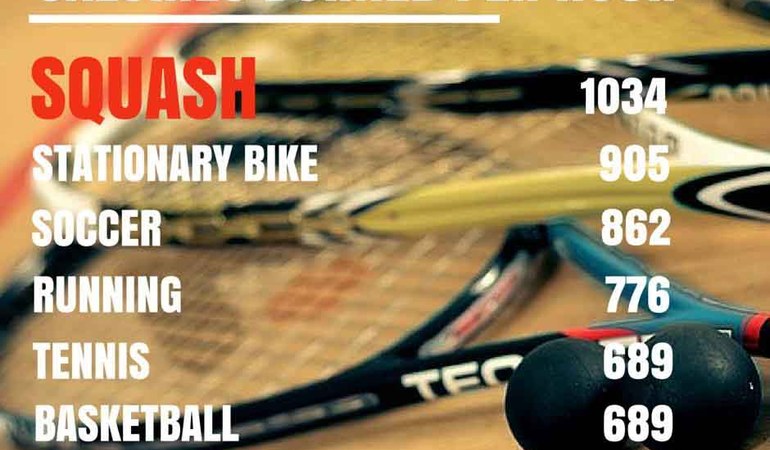
One of the biggest advantages of squash for weight loss is its high calorie burn. How many calories you actually burn depends on your body weight and how hard you play, and the difference between casual and competitive play is large.
Played vigorously, squash sits near the top of the calorie-burning range for racket sports. At a hard intensity, a 155-pound (70 kg) person can burn roughly 800 to 850 calories in an hour, and a heavier player (around 205 lbs or 93 kg) can burn over 1,100 calories per hour. Casual, recreational play burns considerably less, often in the range of 500 to 700 calories per hour for a person of average weight.
For comparison, at a 155-pound body weight, vigorous squash burns more than singles tennis and competitive soccer in the same amount of time:
| Activity (at 155 lbs) | Calories per hour |
|---|---|
| Vigorous squash | About 844 |
| Competitive soccer | About 704 |
| Singles tennis | About 560 |
So at a high intensity, squash can burn meaningfully more calories than many common sports in the same amount of time.
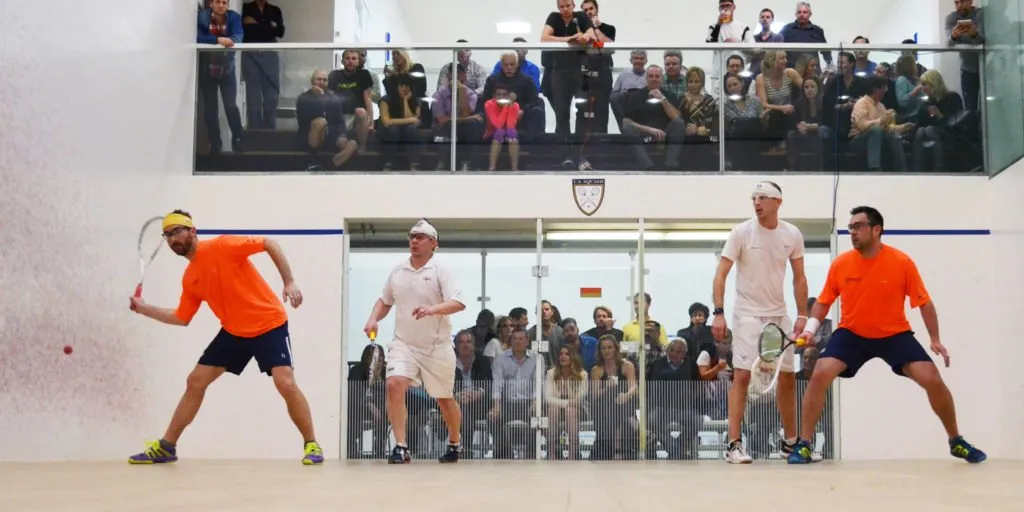
That calorie burn comes from the high-intensity nature of the game. During a match, players are constantly sprinting, lunging, and changing direction with very little rest. Studies of squash players have measured heart rates that stay high throughout a game, often around 80% of maximum during continuous play. At that level your body is working hard and burning calories quickly.
One often-cited figure from a Forbes analysis is about 517 calories in 30 minutes for a roughly 190-pound player, which works out to a little over 1,000 calories per hour at that body weight and intensity. The takeaway: a hard squash session is an efficient way to create the calorie deficit needed for fat loss, as long as you keep the intensity up.
Full-Body Benefits: Cardio, Strength, and Fat Loss
Squash isn't only about burning calories in the moment, it also delivers broad fitness benefits that support weight loss over time. It is a strong cardiovascular workout that can improve your heart health and endurance. During play your heart rate climbs quickly and stays high.
Studies of squash players have found heart rates averaging around 160 beats per minute, which for many players is near 80 to 90% of maximum, sustained through much of a match. Some studies report lower averages, closer to 70% of maximum, so the exact figure varies by player and intensity.
This kind of aerobic challenge strengthens the heart and improves circulation over time. Regular squash sessions can improve your cardiovascular fitness and general conditioning, and many players find that everyday tasks like climbing stairs or jogging become easier as their endurance builds. Better cardio fitness means you can work out harder and longer, which further helps with weight management.
Squash also provides strength and muscle benefits. It is a full-body workout: you sprint with your legs, lunge and squat low to the ground, twist your core, and swing the racket using your arm and shoulder muscles. Over time this builds toned legs, a stronger core, and better muscle definition in the upper body.
As one player put it, squash uses all your muscle groups. The work breaks down across the body:
- The repeated short sprints build leg muscles (quads, glutes, calves).
- The reaching and swinging build the arms and back.
- Squash also improves flexibility, agility, and hand-eye coordination.
Gaining lean muscle is helpful for weight loss because muscle tissue raises your resting metabolism, so you burn more calories even off the court.
For weight loss specifically, squash's mix of intense bursts and brief rests makes it a form of interval training. This pushes your body to draw on stored fuel, including fat, to meet high energy demands. The stop-and-go rhythm is largely anaerobic, which is well suited to fat burning. During all-out rallies your muscles may not get all the oxygen they need, so they rely more on stored glycogen and fat for energy.
This burns a lot of calories during the game, and high-intensity exercise can also produce an afterburn effect, where your body keeps using extra calories for a period afterward as it recovers. Played regularly, squash can help reduce body fat while improving muscle tone, gradually improving your body composition.
Squash vs. Other Workouts: What Makes It Different?
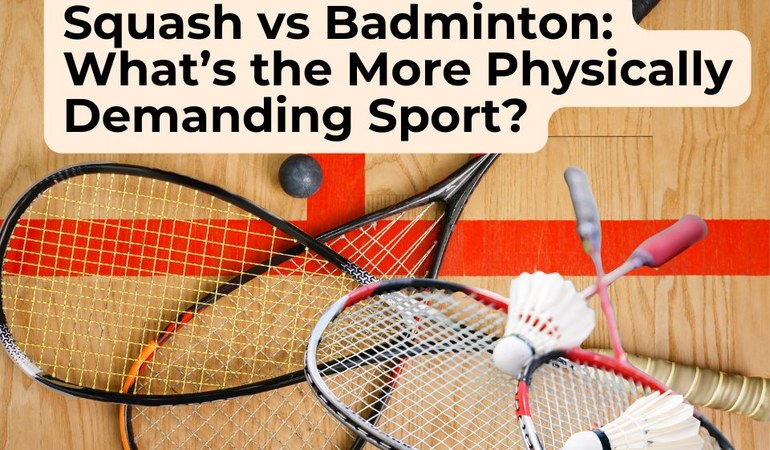
With so many ways to exercise, you might wonder what sets squash apart as a weight-loss workout. For one, it has long been ranked among the healthiest sports overall. A 2003 Forbes analysis rated squash its number-one healthiest sport, based on a combination of cardiovascular endurance, muscular strength, muscular endurance, and flexibility, scoring well across all of them.
Few workouts cover as many fitness components at once. Instead of splitting your gym time between cardio machines, strength training, and agility drills, a game of squash combines all of these in one activity.
On calorie burn, squash played hard outpaces many popular activities. In an hour it can burn more than running at a moderate pace, cycling, or team sports like basketball or soccer. That efficiency is a real advantage if weight loss is your goal, and the high intensity means you can get a strong workout in a relatively short period. Even a 30-minute squash match can leave you tired and deliver real fitness benefits compared with a longer, lower-intensity session.
Squash has some practical and motivational advantages too:
- Year-round play: it's an indoor sport, so you can play whatever the weather, which helps you stay consistent.
- Engaging and fun: many people find the competitive, fast-paced rhythm makes the time pass quickly. Chasing the ball and trying to outplay your opponent turns exercise into a game, so you may work harder without noticing. That can be a real motivator if you find treadmills or stationary bikes dull.
- Social: you need a partner, and clubs often run leagues or ladders where you can meet people. The friendly competition keeps many players coming back, and sticking with a sport long-term is what really drives sustained weight loss and health.
Squash isn't only about physical benefits. It can be a good stress reliever and mood booster. Hitting a ball against a wall as hard as you can is oddly satisfying, and regular players often report better mental wellbeing, less stress, and improved concentration.
As one player described it, squash invigorates him: he feels brighter, sleeps better, and enjoys work more. That positive feedback makes you want to keep exercising, which in turn supports your weight loss. In short, squash's mix of high intensity, full-body work, fun, and flexibility gives it an edge over many other workouts for people who want to get fit and lose weight.
Getting Started: Tips for Squash Beginners
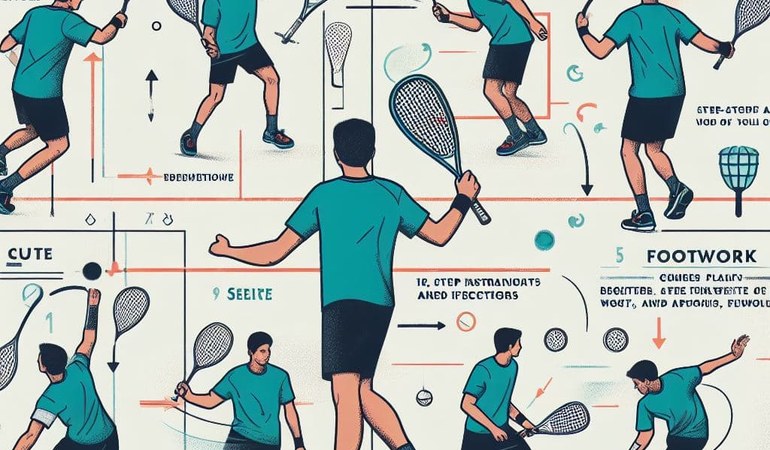
If you're keen to try squash for fitness, you might be wondering how to begin. Squash is intense, but it's also accessible to newcomers with the right approach. Here are some practical tips to help you get started.
Find a court and partner
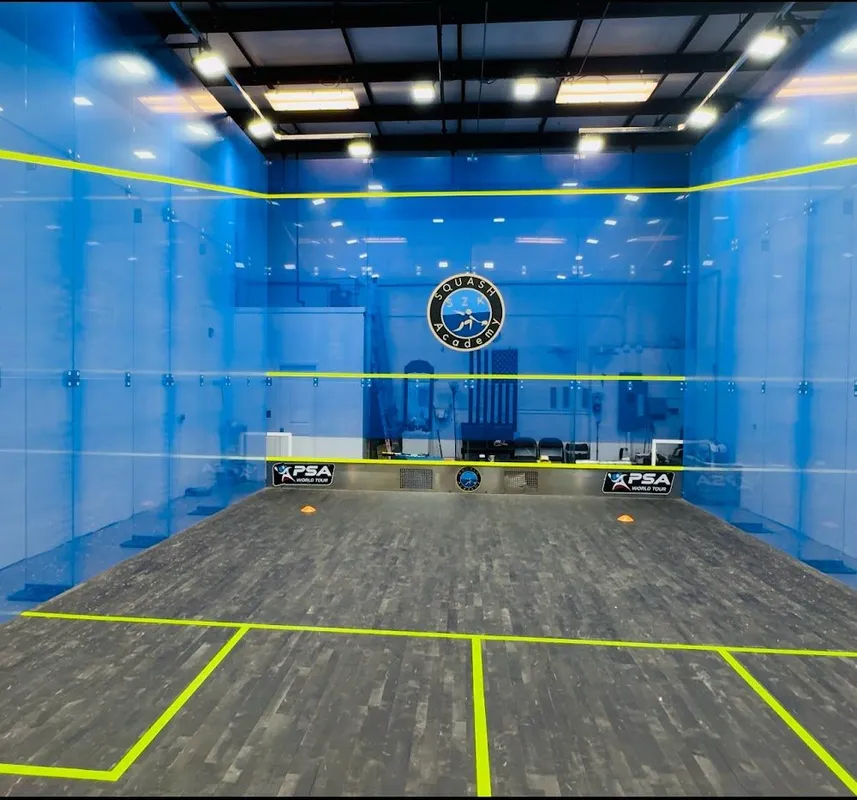
Look for squash courts in your area, since many leisure centres, gyms, schools, and universities have them. If you don't have friends who play, most clubs offer beginner sessions or leagues that will match you with players of similar ability. It's a social sport, so take advantage of programmes that help new players meet others.
Gear up properly
You'll need a squash racket and a squash ball, but you don't have to buy them straight away, since clubs often rent them for a small fee. Wear comfortable athletic clothes and non-marking indoor court shoes for grip and ankle support.
One important safety item is protective eyewear: squash balls are small and fast, so sports goggles are recommended for all players and mandatory for juniors. Start with a beginner-friendly ball, because the standard double-dot competition balls don't bounce much and can frustrate new players. A larger, bouncier ball (often a blue dot or single dot) bounces more and allows longer rallies, which is more fun and gives you a better workout.
Warm up and pace yourself
Squash involves quick bursts of movement, so do a light warm-up first (jumping jacks, dynamic stretches, and similar) to get your muscles ready. In your first few sessions, start slow and listen to your body. The intensity can catch you off guard. One returning player admitted that the first time he played he couldn't get out of bed the next day because he had pushed himself so hard.
Avoid going all-out on day one. Play for short periods (15 to 20 minutes) at a moderate pace and take breaks as needed. As your fitness improves, you can gradually increase the length and intensity of your sessions. If you have any medical concerns or have been inactive for a long time, consider checking with your doctor before you start, since squash is strenuous.
Learn basic technique and strategy
You can just grab a racket and start hitting, but learning a little technique will make the game more enjoyable and your workout more effective. If you can, take a beginner lesson or watch some tutorial videos to learn fundamentals like how to swing and how to move around the court.
A key concept is returning to the "T" (the centre of the court) after each shot, which puts you in position to reach the next ball efficiently. These basics will improve your game and help you get a good workout by moving efficiently, and good form also helps prevent injuries.
Stay hydrated and cool down
Squash is fast and sweaty, and you can lose a lot of fluid, so bring a water bottle and drink before, during, and after playing. Take a few sips during breaks between games. When you finish, cool down with some gentle stretching, especially for your legs and back, and let your heart rate come down gradually. This helps reduce muscle soreness and improves your flexibility over time.
With these tips, beginners can safely get into squash and start seeing the fitness benefits. It's intense, but with the right preparation anyone can learn and enjoy it. It's a sport for all ages and skill levels, and there are even modified balls and rules to help newcomers ease in. So don't be put off: take it at your own pace and have fun with it.
Success Stories: Weight Loss Through Squash
Hearing about people who have reached their fitness goals with squash can be motivating. Here are two real-life stories that show how effective squash can be for weight loss and overall wellbeing.
Chris's story: a fresh start in his 40s
Chris Scorah, 48, hadn't played sport in decades and found himself overweight and worried about his health in midlife. He decided to pick up squash again, a game he had enjoyed as a teenager. The results were striking. "Physically, I've totally changed," he says. "In the first three months I lost about a stone (14 pounds); I'm now down to the weight I was when I was 21, and feel fantastic."
Over about 10 months of playing three times a week, he lost the weight, felt more energetic, and noticed improvements in his mood and sleep. The fast-paced workouts and the enjoyment of the game kept him engaged. "The psychological effect has been even more profound. It invigorates me. I feel brighter, sleep better and am enjoying work more," he reports.
He's now hooked on the sport and plans to keep playing as long as he can. His story shows that even in middle age, squash can kick-start real weight loss and make you feel years younger.
Alex's story: dropping 50 pounds in college
(Name changed for privacy.) Alex was a former athlete who gained weight after high school during a more sedentary college life. In his second year of university he started playing squash regularly, up to five or six days a week, and it turned his health around. Squash became the thing that motivated him to exercise almost every day.
The effect on his weight was dramatic: he lost 50 pounds in about a year through squash and the healthier habits it encouraged. He also saw big gains in fitness. When he started, running even a few minutes was hard, but after months of squash he could run 10km comfortably.
Squash taught him to enjoy intense exercise and brought out his competitive side in a positive way, and his confidence grew as his body changed. His experience shows how squash can be the catalyst for major weight loss, especially when you commit to it. It burned calories directly and also pushed him to be more active overall.
These stories share a common theme: squash makes weight loss enjoyable and sustainable. Both players found that the sport kept them engaged, mentally and physically, which helped them stick with regular exercise and burn calories week after week. They also gained side benefits, from better cardiovascular health and strength to improved mental wellbeing, that reinforced their commitment. Whether you have 10 pounds or 50 pounds to lose, squash can be a strong ally on your fitness journey. It's fast, fun, and effective.
Conclusion: A Fun Path to Fitness
Squash offers a combination of enjoyment and intensity that can make losing weight feel less like a chore and more like a game. By working almost every muscle and pushing your heart rate high, it helps you burn calories, lose fat, and build fitness all at once. It isn't often you find a workout that is this efficient and this fun. If traditional gym routines have left you uninspired, a squash racket might be the change you need.
With evidence supporting its calorie burn and plenty of personal stories of transformed health, squash has earned its reputation as a good choice for getting in shape. As with any exercise, consistency is what matters most, and it's much easier to stay consistent when you're enjoying yourself on the court.
If the gym has stopped working for you, this is worth a try: book a court, find someone a little better than you, and play. You will finish tired, but it rarely feels like exercise, and that is exactly why it tends to stick.