
Performance-Enhancing Fabric Technologies
Modern squash apparel uses textile technologies to improve player comfort and performance on court. The key fabric features are moisture management, breathability, stretch, durability, and thermal regulation, and each one contributes to better focus and movement during play.
Moisture-wicking and quick dry
High-intensity squash matches produce heavy sweat, so apparel uses synthetic fibres (polyester, nylon) engineered to pull perspiration off the skin. Moisture-wicking fabrics move sweat to the fabric surface through capillary action, where it spreads out and evaporates, keeping athletes drier than cotton gear does.
This works because polyester is hydrophobic, with a moisture regain of only about 0.4 percent, while cotton absorbs around 7 percent of its weight in water and holds it in one place. Nike's Dri-FIT, a polyester microfibre, disperses sweat for faster evaporation, helping players stay cool. HEAD's squash shirts use Moisture Transfer Microfibre (MXM) technology, which moves sweat to the material's surface for quick drying and a cooling effect.
The result is less clingy, saturated fabric and less irritation, so players keep their grip and agility even during long rallies.
Breathability and ventilation
Breathable fabrics and design features let air flow to prevent overheating. Many squash jerseys add mesh panels or open-structure weaves in high-sweat zones (underarms, back) to improve ventilation. This releases heat buildup and brings in fresh air, which matters in squash's confined courts.
Yonex uses Air Release technology, mesh vents at the back of the neck and sides, to push out body heat and pull in cooler air. Good breathability works with moisture-wicking to regulate body temperature, so players stay cooler and the fabric does not feel suffocating during play.
Stretch and freedom of movement
Squash involves lunging, twisting, and full-stretch shots, so apparel has to move with the body. Modern performance wear uses four-way stretch materials, typically polyester blended with elastane (spandex), that flex in all directions without losing shape. Many athletic blends use roughly 8 to 15 percent elastane for this kind of moderate power stretch.
Unsquashable's 360 Flex fabric provides four-way stretch and a close Pro-Fit cut that moves with the body, allowing dives and swings with little restriction. Ergonomic tailoring such as raglan sleeves and gusseted underarms further improves range of motion, and Yonex apparel uses a Precision Move cut to reduce stress on the arms during swings. This stretch means the kit conforms during play and never gets in the way of a quick boast or retrieval.
Durability and shape retention
Good squash apparel is built to handle frequent wear, heavy sweat, and repeated washing. Synthetic performance fabrics are generally more durable than cotton, resisting shrinkage, stretching out, and degradation from sweat. Nike Dri-FIT, for instance, is designed to keep its sweat-wicking properties and fit after many wash cycles.
Reinforced stitching and durable weaves help garments hold up to abrasive movements such as diving on court without tearing, and some shirts use crease-resistant fibres to keep a smart look and avoid sagging over time. By holding their shape and function longer, durable garments keep players comfortable through many matches.
Thermal regulation and cooling
Managing body heat matters in squash's fast-paced, enclosed environment, so some garments add cooling technologies. Yonex's VeryCool fabric is impregnated with xylitol, a plant-derived substance, which absorbs heat and, by the brand's measure, can lower the temperature under the clothing by about 3 degrees Celsius. Adidas HEAT.RDY tops, sometimes worn for squash, use breathable mesh and cooling yarns to help players feel cooler in hot conditions.
Squash brand HUDL Athletica takes a different approach: rather than only trying to stay dry, its fabric is designed to feel better the wetter it gets. The HUDL Paul Coll series uses silver-infused yarns that help regulate temperature even when the shirt is soaked, avoiding the chill that quick-dry shirts can cause mid-match.
Some sportswear also includes UV-protection yarns, more relevant to outdoor tennis but occasionally useful in well-lit glass courts. Squash apparel is now available with UV-blocking fabric that offers UPF protection without sacrificing breathability, shielding players during outdoor exhibitions or training.
Anti-odour and hygiene
Intense sweat sessions can lead to odour buildup, so material science also addresses freshness. Many squash shirts are treated with antimicrobial finishes or yarn additives to slow the growth of odour-causing bacteria, and silver-ion technology is a common choice. HUDL's silver-plated yarn helps with cooling and also reduces odour by limiting the microbes that cause it.
Other brands use treatments such as Polygiene, based on silver chloride, a salt that occurs naturally in water and soil, to keep fabrics fresh. Because the treatment is built into the textile rather than sitting on top of it, it does not leach or fade, and it is bluesign and Oeko-Tex certified.
Anti-odour measures let players get through long matches without worrying about smell, and some squash gear also uses pH-balanced fibres that aim to reduce sweat-related skin irritation. By building in hygiene technology, modern apparel stays fresh longer and needs less frequent high-temperature washing, which extends garment life.
These fabric technologies, moisture-wicking synthetics, breathable meshes, stretchy elastane blends, and odour and cooling treatments, work together to keep squash players dry, cool, and unrestricted. The result is apparel that supports comfort and performance rather than getting in the way.
Sustainable and Eco-Friendly Materials
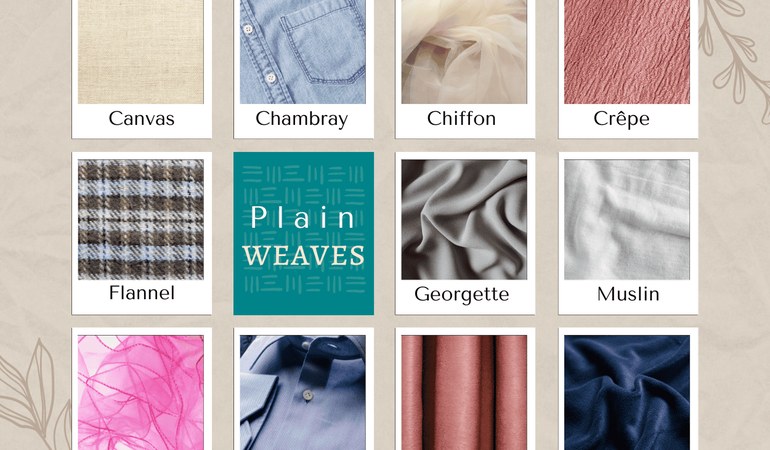
Sustainability has become a major focus in sports apparel, including squash clothing. Manufacturers are adopting materials and processes that reduce environmental impact while still meeting performance needs. The main sustainable approaches include the following.
Recycled fibres (recycled polyester)
Polyester is the dominant fabric for performance sportswear, and brands increasingly source it from recycled materials, mostly recycled plastic bottles, rather than virgin petroleum. This reduces waste and carbon footprint without compromising fabric performance.
Adidas uses Primeblue yarn containing Parley Ocean Plastic, recycled marine plastic, in many tennis and training garments. Adidas reported that 96 percent of the polyester in its products was recycled in 2022, rising to about 99 percent in 2023, and set a target of using only recycled polyester by the end of 2024. The Primeblue and Primegreen lines turn plastic waste into yarns for moisture-wicking shirts and shorts.
In racquet sports, Tecnifibre introduced an X-LOOP programme that recycles old polyester tennis strings into fabric: its technical T-shirt is 100 percent recycled polyester, with roughly half of that coming from used strings and half from plastic bottles, and the garment is itself recyclable. This closed-loop approach is an example of material science enabling circular fashion. Major badminton brands have followed suit, with many Victor and Yonex jerseys now using recycled polyester, showing that recycled fibres can meet the demands of squash, tennis, and badminton.
Biodegradable and natural materials
Some brands are experimenting with biodegradable or bio-sourced fabrics to reduce long-term waste. These are not yet mainstream in high-sweat competitive squash gear, but they show promise. Bamboo viscose and Tencel (lyocell) are plant-derived fibres that are breathable and moisture-absorbing.
Note that bamboo viscose is a chemically processed, semi-synthetic fibre, and the heavy processing strips out most of the plant's natural antimicrobial compounds, so any anti-odour benefit in finished bamboo fabric is modest and comes mainly from good moisture management rather than an inherent antibacterial effect. Bamboo-based fabric is soft and quick-drying, and as a cellulose fibre it breaks down faster than synthetic polyester.
Merino wool, a natural fibre known for temperature regulation and odour resistance (it can absorb up to about a third of its weight in moisture before feeling damp, and its lanolin discourages odour-causing bacteria), is used in some athletic base layers, though it is less common for squash given the very high sweat levels.
Another option is biodegradable polyesters such as PLA-based fibres made from corn starch, which behave like normal polyester in use but break down under specific composting conditions. As material science advances, more squash apparel may use eco-friendly fibres that return to nature at end of life instead of lingering in landfills.
Low-impact dyes and processes
Beyond the fibres, the manufacturing process is being made greener. Dyeing fabric traditionally uses large amounts of water and chemicals, so companies have introduced low-water and waterless dyeing techniques. HUDL Athletica uses low-water dyeing for its squash apparel, achieving long-lasting colours while reducing water use and chemical runoff.
Solution dyeing, which adds pigment to the polymer before fibres are made, is another method that cuts water waste and tends to produce colours that fade less. On-demand manufacturing is also emerging: rather than mass-producing inventory, brands such as HUDL produce gear in response to actual demand, avoiding overproduction. This puts energy and materials only into products that will be used and allows more customisation. Packaging is being addressed too, with companies switching to recycled or minimal packaging to reduce plastic waste.
Eco-friendly finishes and treatments
Some performance treatments carry sustainability benefits. Polygiene odour control keeps shirts fresh and reduces the need for frequent washing, saving water and energy, and it is bluesign approved.
Brands are also removing harmful substances. Salming, a squash and floorball brand, joined the PFAS-free movement and pledged to eliminate PFAS chemicals from its products. PFAS are long-lasting chemicals sometimes used in waterproof coatings but now known to be environmentally persistent, and since squash apparel rarely needs heavy water-repellency, phasing them out is logical and safer.
Sustainability in squash apparel is a multi-faceted effort: recycled inputs, greener production techniques, and safer chemicals. These changes are largely invisible in performance terms, since eco-friendly squash shirts still wick sweat, stretch, and breathe like traditional gear. The benefit for the player is a kit that supports performance with a smaller environmental footprint. Because most racquet-sport apparel is polyester, making that polyester sustainable has a large positive impact.
Brand-Specific Innovations in Squash Apparel
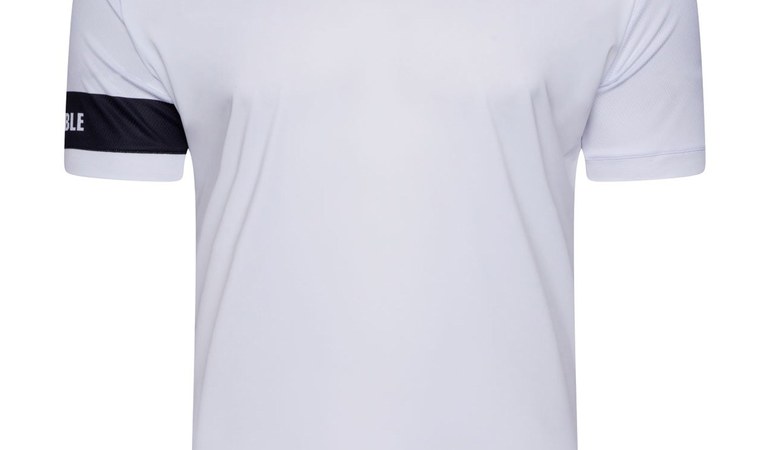
Several sportswear companies, both squash-specific brands and general athletic brands, have applied material science to apparel used for squash. Below are some notable brand-specific fabric technologies and approaches.
Squash-focused brands
HUDL Athletica (Paul Coll series): a squash-dedicated brand whose fabric is designed to stay comfortable when soaked. Its XTPRO Silver Tech uses silver-plated yarns to help regulate temperature and limit odour, and pH-balanced fibres to reduce sweat-related skin irritation. Rather than only wicking sweat, HUDL gear stays comfortable when drenched, avoiding the chilling effect of quick-dry fabrics mid-match. HUDL also emphasises sustainable production (low-water dyes, on-demand manufacturing) and durable construction.
Unsquashable: known for its rackets, Unsquashable also produces high-performance squash clothing worn by PSA pros. Its Tour-Tec Pro line is made in Europe with performance fabrics. The brand developed a 360 Flex textile that offers four-way stretch and thermo-regulating properties for a close, non-restrictive fit.
Unsquashable shirts use strategic fabric mapping: a lightweight, open knit on arms and back for extra ventilation and moisture-wicking, with a more structured knit on the torso for support. This dual-fabric design maximises breathability where needed while keeping a durable shape. The brand also uses ergonomic raglan seams for freedom of movement and a refined athletic style.
Squash Design: a boutique squash apparel maker that integrates many modern features. It highlights antimicrobial, anti-odour treatments and uses moisture-wicking polyester fabrics to keep players dry. Squash Design also offers CustomFit options, tailoring uniforms to an athlete's measurements, and is committed to sustainable materials and processes. Though smaller in scale, its innovations echo those of bigger brands (breathable knits, four-way stretch, UV-protective fabric for outdoor play) but with squash players' specific needs in mind, such as extra reinforcement in high-wear areas.
Salming: based in Sweden, Salming makes apparel for indoor sports including squash, handball, and floorball. Its shirts and shorts use a CoolFeel fabric, a functional polyester that moves moisture from the skin to the fabric surface to evaporate, keeping the body cool and dry. Many Salming garments are very lightweight to improve freedom of movement. Although primarily known for shoes, Salming brings a technical mindset to clothing, focusing on breathability and comfort. Its sustainability work includes Oeko-Tex certified materials and exploring natural fibres such as FSC-certified bamboo for future lines.
Major sportswear brands with squash lines or crossover use
HEAD: a leading racket-sports brand whose clothing is worn by tennis, padel, and squash players. HEAD builds its MXM (Moisture Transfer Microfibre) technology into apparel, using high-performance microfibres to wick sweat to the surface where it can evaporate, providing a cooling effect and quick drying. HEAD shirts are typically poly/elastane blends for stretch and often feature mesh inserts. As a traditional tennis brand, HEAD also pays attention to UV protection and classic styling such as collared polos, which can carry over into squash attire. Its long experience in sportswear results in squash clothes with solid moisture control, flexibility, and durability.
Nike: Nike does not market a squash-specific line, but many squash players use Nike training or tennis apparel. Nike's Dri-FIT fabric is a polyester microfibre weave that pulls sweat away from the skin to the fabric surface. The benefits for racquet sports are clear: Dri-FIT shirts stay dry, lightweight, and free to move, with stretch fabrics and athletic cuts that accommodate quick lunges and swings.
Nike Court tennis polos and tees, often seen on squash players, include mesh ventilation zones and ergonomic seams. Nike has developed cooling variations such as Dri-FIT ADV, and its Move To Zero sustainability programme means a growing share of its apparel uses recycled polyester and lower-impact materials. A squash player in Nike gear benefits from years of Nike research in moisture management and comfort.
Adidas: another major brand seen on squash courts worldwide. Like Nike, Adidas does not have a separate squash collection, but its tennis and training apparel serve the purpose. Adidas brands its moisture management as AEROREADY, a sweat-wicking fabric that absorbs sweat through capillary action to keep athletes dry. Many Adidas tops worn for squash also feature HEAT.RDY or Climacool technology for enhanced cooling and ventilation in hot conditions, using breathable mesh and cooling yarns to help players stay cool.
Adidas also uses anatomic tailoring that prevents the hem from riding up during overhead motions. On sustainability, Adidas's apparel increasingly uses Primegreen and Primeblue recycled materials, in line with the brand's push to use only recycled polyester. Adidas brings a mix of performance tech (cooling, wicking, UV protection) and recycled materials to the squash wardrobe.
Yonex: best known in badminton, Yonex also outfits some squash and tennis players, especially in Asian markets. Its apparel includes several material features for indoor court sports. VeryCool technology embeds xylitol in the fabric to help cool the body as the player sweats, and VeryCool Dry, a hydrophobic fibre weave, wicks moisture quickly and dries fast to keep players cool and dry.
For movement, Yonex apparel has four-way stretch and a Precision Move cut shaped for racket swings. Other features include anti-static carbon fibres woven in to prevent a clingy feel from static, and UV reduction (Yonex states its outfits block roughly 92 percent of ultraviolet, useful for outdoor matches or well-lit glass courts). Yonex also focuses on anti-odour, with antibacterial and deodorising treatments and, on some shirts, Polygiene odour control. Yonex has moved toward sustainable materials as well, with team uniforms using recycled polyester. Squash players who choose Yonex gear tap into badminton's apparel innovations, which prioritise light weight, fast sweat evaporation, and cooling.
Victor and Li-Ning: major badminton brands that also cater to squash players. Victor markets its fabric tech under names such as PerfectDry, a moisture-wicking technology that keeps players cool and dry. Many Victor shirts are lightweight eyelet-knit polyester that breathes well, and some models use quick-dry fibres and recycled content. Li-Ning uses blends branded AT DRY (moisture wicking) and AT STATIC (anti-static). Both brands include stretch, often around 5 to 10 percent spandex, to support agility. While not as globally prominent as Nike or Adidas in squash, these badminton apparel technologies appeal to players who want very light, airy clothing for long, sweaty sessions.
Other notables: some tennis apparel brands cross over to squash. Lacoste brings a cotton-blend approach with technical pique knits, using a cotton/poly mix that wicks sweat and looks tidy for club play. Under Armour offers compression shirts and base layers (HeatGear), which wick moisture, dry quickly, and provide four-way stretch and some muscle support. Wilson and Fila have tennis lines, and Fila has committed to using more recycled materials in new tennis collections. Top squash professionals often mix brands, choosing pieces that offer the best fabric performance, so innovations from across the sportswear industry find their way onto squash courts.
In short, brand innovations in squash apparel range from boutique squash-only companies developing sport-specific solutions to global athletic brands whose technologies cross over into squash. The common thread is using material science to give players an edge, whether it is a silver-infused squash shirt that resists odour or a tennis top that stays light in the heat. Squash players today have a wide range of high-tech apparel options, each brand with its own approach to keeping athletes comfortable, fast, and focused.
Comparative Analysis Across Squash, Tennis, and Badminton Apparel
Apparel for squash, tennis, and badminton shares many of the same performance technologies, since all three are racquet sports that demand agility, endurance, and comfort. The differences come from each sport's typical environment and traditions. The table below summarises key material technologies and how they apply in each sport's attire.
| Technology | Squash | Tennis | Badminton |
|---|---|---|---|
| Moisture-wicking and quick dry | Essential for the indoor game; nearly all modern squash shirts are synthetic and sweat-wicking. HEAD's tees use MXM microfibre, and HUDL and Unsquashable prioritise moisture control for long matches. | A standard feature; Nike Dri-FIT and Adidas AEROREADY pull sweat off the skin in the sun, and many tops add mesh panels to aid drying. | Also essential; shirts often use lightweight hydrophobic polyester. Yonex's VeryCool Dry wicks fast and dries quickly for heavy-sweat rallies. |
| Breathability and ventilation | Very high priority, since courts are closed and can get hot and humid. Mesh zones at the underarm and back matter because there is no natural airflow indoors. | High priority, especially in hot outdoor matches, using engineered mesh and vent cuts such as open backs and laser-cut perforations (for example Adidas HEAT.RDY). | Very high priority in large warm indoor halls. Yonex's Air Release adds mesh at the back and sides, and shirts often have a slightly looser fit for air circulation. |
| Stretch and flexibility | Emphasises four-way stretch, often roughly 10 percent elastane or stretch weaves. Unsquashable's 360 Flex gives full stretch with a close fit, and raglan sleeves improve mobility. | Equally important, with elastane blends for lunging and overhead serves, plus patterns that keep shirts in place during arm extension. | Extremely important given rapid swings and deep lunges. Yonex uses elastic fabrics and Precision Move cuts, and shorts often have slits or stretch panels. |
| Temperature regulation | Indoor, so cooling relies on sweat evaporation; some gear adds active cooling (HUDL's silver yarn dissipates heat and prevents post-sweat chills). UV protection is less emphasised. | Often tackles external heat and sun, with cooling tech such as Adidas HEAT.RDY, light colours, and UV protection (UPF 50+). Players layer with breathable warm-ups in cool weather. | Leans toward cooling in warm indoor venues without wind. Yonex's VeryCool lowers body heat by about 3 degrees Celsius by the brand's measure; UV protection is generally not a focus. |
| Durability and washability | Built for frequent intense use, with sweat and abrasion resistance. Polyester resists tears and seam splits during dives; some brands reinforce high-wear areas such as shoulder seams. | Needs durability for long matches and sliding on hardcourts or clay, using crease-resistant synthetics with reinforced seams and colour-fast dyes. | Very lightweight but still durable, using fine-knitted polyester that resists pilling and snagging, with durable elastic at necks and sleeves. |
| Odour control and style | Anti-odour tech is common (silver-treated fabrics, antimicrobial finishes as in HUDL and Squash Design). No strict dress code, so gear ranges from t-shirts to collared tops; function over fashion. | Also uses anti-odour treatments, though players often carry multiple outfits. A strong fashion element and sometimes strict codes (such as Wimbledon white) blend performance with style. | Often includes odour-resistant tech for multiple matches a day (Yonex's Polygiene and antibacterial fabric). Attire often features vibrant designs, national colours, and collarless crew necks. |
| Sustainable materials | Early but moving with the wider sport. Tecnifibre's recycled tees are 100 percent recycled polyester, partly upcycled from old strings, and HUDL uses low-impact dyeing and on-demand production. | Actively adopting sustainable materials, with Adidas and Nike using high percentages of recycled polyester, and even strings and shoes recycled into fabrics and cushioning. | Has begun using recycled materials, often via overlap with tennis manufacturing. Yonex and Victor sell recycled-fibre versions of popular shirts, and some national kits use recycled polyester and water-based dyes. |
Across all three sports, the core material technologies (moisture-wicking, breathability, stretch) are applied widely because the athletic demands are similar. A squash player, a tennis player, and a badminton player all need to stay dry, cool, and unrestricted by their clothing.
The differences lie in emphasis: tennis gear puts more focus on UV protection and sometimes heavier fabrics for outdoor wear, whereas squash and badminton gear leans on lightweight cooling for warm indoor venues. Squash-specific solutions such as HUDL's sweat-embracing silver fabric come from playing in enclosed courts with no wind, while tennis innovations such as extreme heat cooling fabrics address playing under the sun. Badminton apparel often sits in between, indoor like squash but played in larger, better-ventilated arenas, so its clothing is ultra-light and cool and works well for squash too.
There is a lot of cross-pollination: a moisture-wicking shirt marketed for tennis works for squash, and vice versa. The anti-odour Polygiene finish Yonex uses for badminton helps a squash player just as much, and the recycled polyester Adidas uses in tennis attire contributes to more sustainable squash apparel for anyone wearing the brand.
The pattern across all three sports is the same: keep the player dry and cool and free to move, and lately do it with more recycled material. That is why a shirt sold for tennis works fine for squash, and an anti-odour finish developed for badminton helps a squash player just as much. Buy for the fabric, not the label on it.