
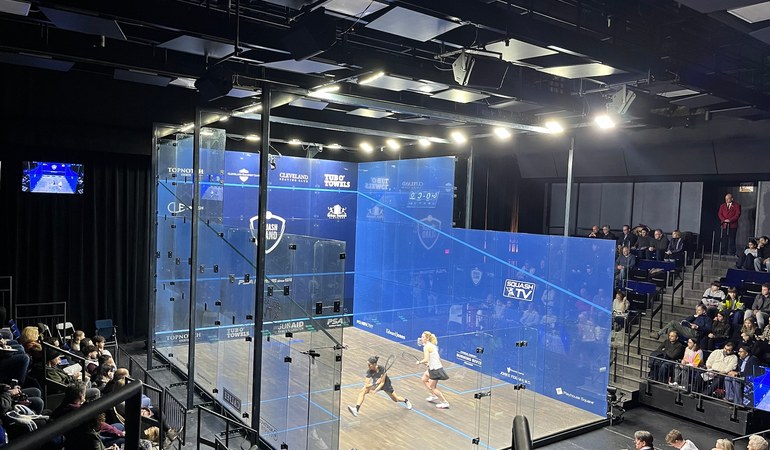
Squash is a high-intensity sport that pushes your muscles, joints, and cardiovascular system hard. Just as a proper warm-up primes you for performance, a cool-down can help with recovery.
Cooling down lets your heart rate and blood pressure return to normal gradually and eases you out of a tough match. Below is a list of cool-down exercises and techniques, both physical and mental, that squash players from beginner to pro can use after playing. These moves help relax tight muscles, support recovery, and reset your mind so you are ready for the next game.
1. Light Cardio Cool-Down: Gradually Lower Your Heart Rate
After an intense squash match, resist the urge to collapse or sit down straight away. Instead, start your cool-down with a few minutes of light aerobic activity, such as walking around the court or a gentle jog.
Health experts recommend slowing your activity gradually rather than stopping abruptly. A 5 to 10 minute brisk walk or slow cycle eases your body from high intensity toward rest.
This gentle motion keeps blood circulating and helps prevent it from pooling in your legs, which can otherwise cause dizziness or light-headedness when you stop suddenly. A brief cardio cool-down lets your heart rate come down safely and sets the stage for stretching and recovery.
2. Deep Squat Hip Stretch ("Saigon Prayer Squat")
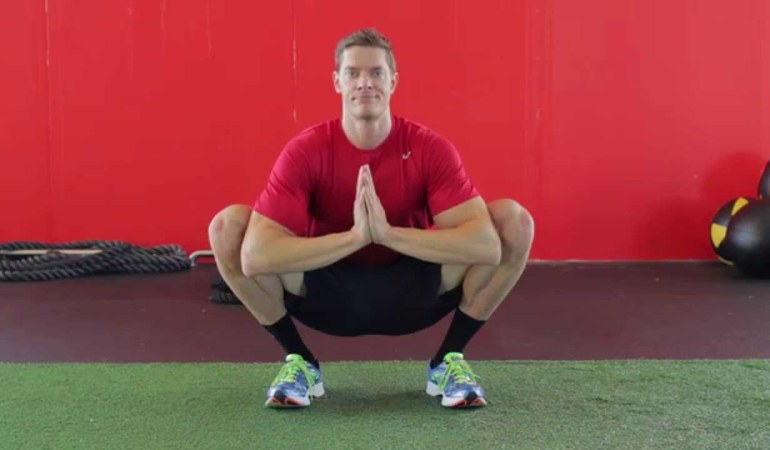
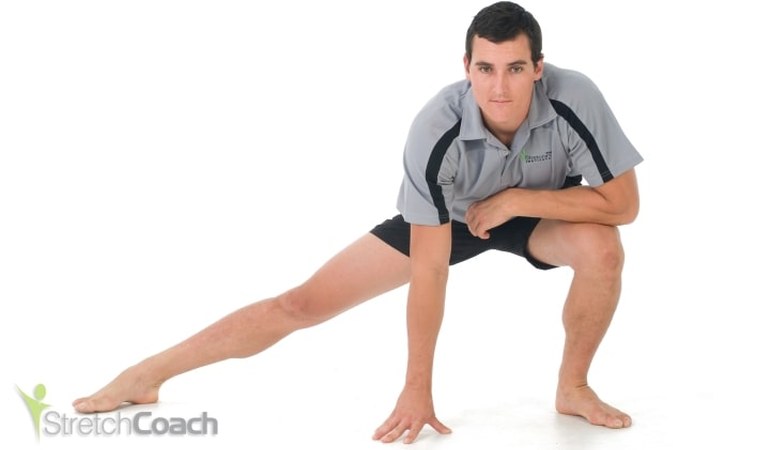
One effective stretch for squash players is the deep squat hip stretch, also known as the Saigon or prayer squat. It targets several muscle groups at once, mainly the hip flexors, glutes, and inner thighs (groin), which are heavily used during squash lunges and lateral movements.
To perform it:
- Stand with feet about shoulder-width apart and slowly squat down as low as is comfortable, bringing your hips toward your heels.
- Place your elbows on the inside of your knees, hands in a prayer position, and gently press outward to deepen the stretch in your groin.
- Hold for around 30 to 60 seconds while breathing steadily.
You should feel a strong but comfortable stretch in the hips and inner thighs. This exercise helps open up tight hips and groin muscles and supports flexibility for lunges to the front court. Over time, consistent hip stretching can improve lower-body mobility.
3. Posterior Shoulder Stretch (Cross-Body Arm Stretch)
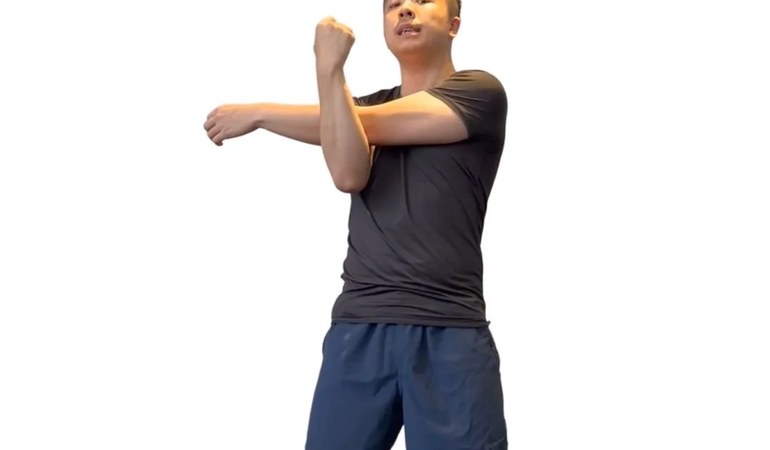
Squash is not just about the legs. Your upper body, especially the shoulders, works hard with every swing and serve. A useful cool-down exercise is the posterior shoulder stretch, which helps relieve tension in the shoulders and upper back.
Relax your shoulders, then bring one arm across your chest. With the opposite hand, grasp the elbow of the outstretched arm and gently pull it toward your chest until you feel a stretch in the back of the shoulder. Hold for about 20 to 30 seconds without bouncing, then repeat on the other side.
This cross-body shoulder stretch helps maintain flexibility in the rotator cuff and shoulder capsule, areas that can get tight from repetitive racket swings. Gentle static stretching of the shoulders may help relieve muscle tension, though the evidence that stretching meaningfully reduces next-day soreness is modest. Keeping your shoulders loose can also improve your range of motion for shots.
4. Hip Flexor Lunge Stretch
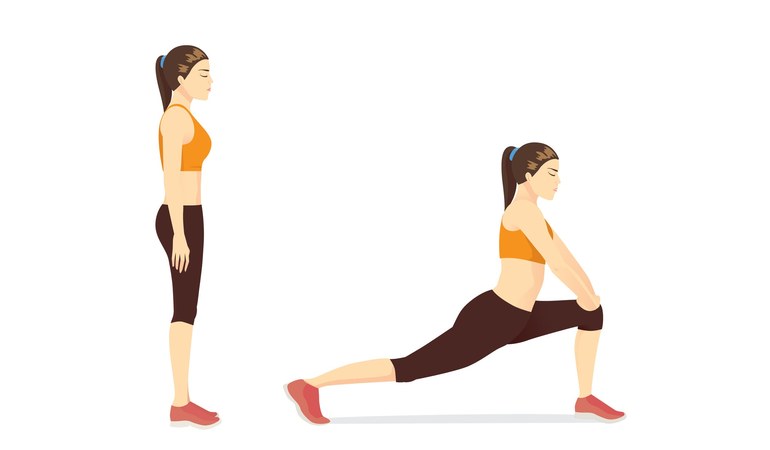
Explosive lunges are part and parcel of squash, which means your hip flexors (the muscles at the front of your hips) take a lot of stress. After playing, it helps to stretch them out. A simple hip flexor stretch can be done in a half-kneeling lunge position.
- Kneel on your right knee (use a towel or mat for cushioning) and place your left foot in front, knee bent at 90 degrees.
- Keeping your torso upright, gently push your hips forward until you feel a stretch in the front of your right hip.
- You can deepen it by squeezing your glutes or raising your right arm overhead and leaning slightly to the opposite side.
- Hold for about 20 to 30 seconds, then switch sides.
Stretching the hip flexors helps those muscles relax and may ease tension that can contribute to lower back discomfort, since tight hip flexors are often linked to lower back pain. This stretch can help maintain hip mobility for better lunges on court.
5. Quadriceps Stretch
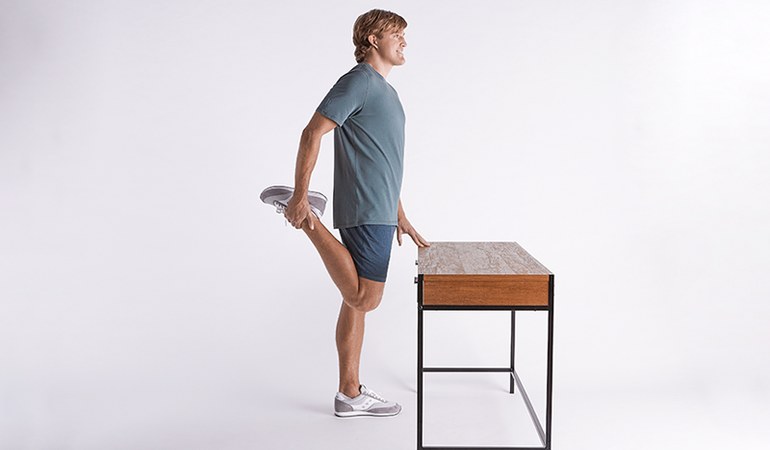
Your quadriceps (the muscles on the front of your thighs) power many movements in squash, from springing off the T to bending into low shots, so they need attention during cool-down.
A classic quad stretch is performed standing: hold a wall or chair for balance if needed, bend one knee, and grasp your foot or ankle behind you. Gently pull your foot toward your buttocks while keeping your knees close together and your posture upright, and avoid arching your lower back. You should feel the stretch along the front of your thigh. Hold for about 30 seconds, then switch legs.
This move helps lengthen the quads and ease post-game tightness around the knees, since flexible thigh muscles can reduce strain on the knee during movement. As you hold the pose, focus on that lengthening sensation in the muscle. Remember to keep breathing as you stretch, exhaling and relaxing into the pull.
6. Hamstring Stretch
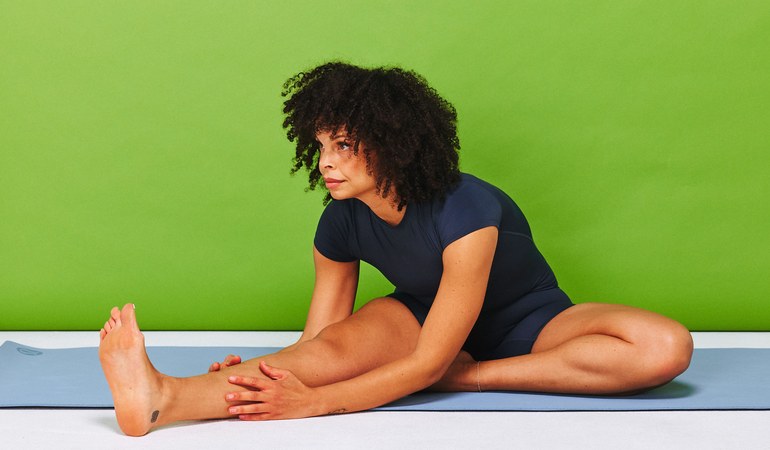
The hamstrings (running along the back of your upper legs) work hard in squash, aiding in sprinting, lunging, and stabilising the knees and hips. Cooling down should include a hamstring stretch to maintain flexibility and reduce stiffness.
One method is the seated forward bend: sit on the floor with legs extended straight in front of you. Keeping your back straight, slowly lean forward from the hips and reach your hands toward your toes (or shins, if you cannot reach your feet). Do not worry about how far you go. Once you feel a gentle pull in the back of your legs, hold for 20 to 30 seconds.
Alternatively, stretch one leg at a time by placing your foot on a bench and leaning forward. Aim for a mild stretch in the hamstring, not pain. The hamstrings support your pelvis and lower back during movement, so keeping them limber is worthwhile.
Regular static stretching of the hamstrings can increase muscle length over time and improve overall flexibility. Flexible hamstrings also support better posture, which matters for squash players who frequently bend and twist.
7. Calf Stretch for Achilles Relief
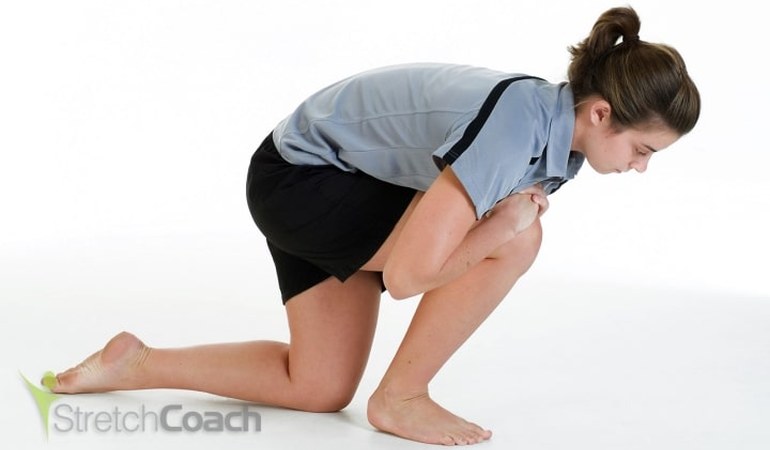
Squash involves a lot of quick sprints and pushing off the toes, which means your calf muscles and Achilles tendons take a beating. A calf stretch during cool-down can help ease tightness in the lower legs.
A common version is the wall stretch: stand an arm's length from a wall, place both palms on the wall at shoulder height, and step one foot back. Keep the back leg straight with the heel pressed into the floor, and bend your front knee, leaning forward until you feel a stretch in the calf of the rear leg. Hold for 30 seconds, then switch sides.
You can also perform a calf stretch with a bent back knee (to target the deeper soleus muscle) by bringing the back foot in a bit and softening the knee. Maintaining calf flexibility can improve ankle range of motion.
The Mayo Clinic notes that a calf stretch exercise can help keep the Achilles tendon supple. Given that Achilles injuries are not uncommon in squash, taking a minute to stretch your calves after play is time well spent.
8. Gluteal Stretch (Piriformis Stretch)
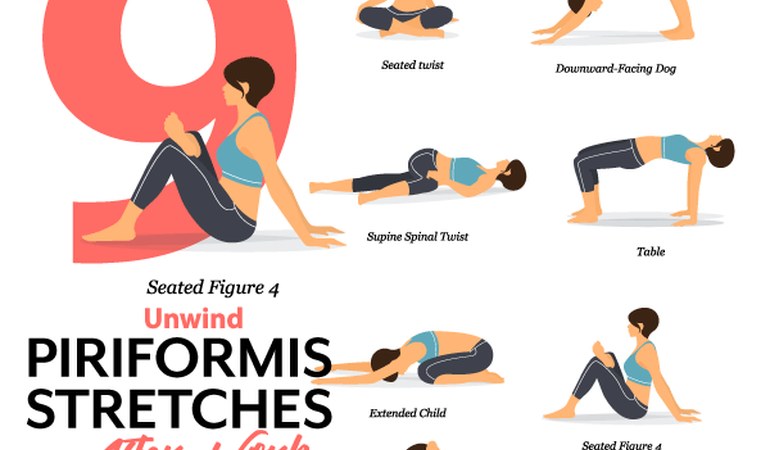
Your gluteal muscles (glutes) and the small piriformis muscle in the buttock area work hard during lunges, quick turns, and explosive movements on the squash court. To cool them down, a dedicated glute stretch is helpful.
One option is the lying knee-to-chest stretch. Lie on your back on the floor and extend both legs. Then bend your right knee and hug it toward your chest. With both hands, gently pull the knee toward the opposite shoulder (left shoulder for the right knee). You should feel a stretch deep in your right glute and possibly the outer hip. Hold for around 20 to 30 seconds, then release and switch sides.
Another variant is the figure-four stretch: lying on your back, cross your right ankle over your left knee, then grab behind your left thigh and pull the leg toward you, stretching the right glute.
Glute stretches like these help relieve tension in the hips and can ease lower back discomfort. A knee-to-chest glute stretch is often suggested for relieving sciatic-type pain caused by tight deep hip muscles. By relaxing your glutes after squash, you support flexibility in the hips and pelvis, which contributes to better movement on court.
9. Foam Rolling for Myofascial Release and Recovery
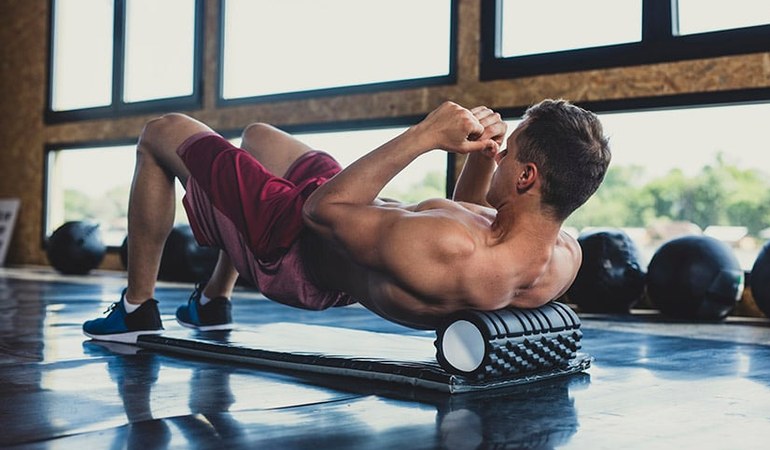
If you have access to a foam roller, it can be a useful tool for post-squash recovery. Foam rolling is a form of self-massage (self-myofascial release) where you use a firm foam cylinder to apply pressure to muscles. Key areas for squash players include the quads, hamstrings, calves, IT band (outer thigh), and upper back.
- Quads: lie face-down and place the roller under your thighs, then slowly roll back and forth from hip to just above the knee.
- Calves: sit with legs out and the roller under your lower calf, using your hands to lift your hips and roll along the muscle.
- Tender spots: when you find one, you can pause and let the pressure ease it.
Research suggests foam rolling may help recovery: some studies have found reduced muscle soreness and increased range of motion after foam rolling, though results are mixed and it is not always better than simple rest for pain relief. A 5 to 10 minute foam rolling routine after squash may help you feel less stiff the next day, and it is a handy way to target specific tight spots that stretching alone might miss.
10. Deep Breathing and Relaxation Exercises
Intense rallies and competition put your body in fight-or-flight mode, with adrenaline pumping and a high heart rate. A useful part of cooling down is shifting toward a rest-and-digest state, and deep breathing exercises are a simple way to do this.
After your physical cool-down, take a few minutes to practise slow, controlled breathing. Try diaphragmatic breathing: inhale deeply through your nose for about 4 to 6 seconds, letting your abdomen expand, then exhale slowly for another 6 to 8 seconds through the nose or mouth. Repeat for several minutes.
This kind of breathing engages your parasympathetic nervous system, which helps your body calm down. Slow, deep breathing after exercise can support recovery and help bring your heart rate and blood pressure down more quickly while encouraging relaxation.
You might combine breathing with light stretching or simply lie down comfortably. By focusing on your breath, you help your body settle and also clear your mind of any remaining on-court tension.
11. Mindfulness Meditation and Mental Reset
Cooling down is not only physical. Mental recovery matters too. After a heated squash match, taking a moment to reset your mind can improve how you feel and prepare you for the next challenge.
One approach is a short mindfulness session once your physical cool-down is complete. This can be as simple as sitting or lying in a quiet place, closing your eyes, and focusing on your breathing or a calming thought for 5 to 10 minutes. Let your thoughts about the game, whether excitement from a win or frustration from a loss, settle without judgement. This helps you transition out of competitive mode into a relaxed state.
Even a few minutes of quiet reflection can clear your mind and improve focus. Many athletes also use visualisation during this time, replaying positive moments or picturing future success, to end the session on a constructive note.
Meditation and mindfulness are gaining ground in sport because they can support mental recovery and overall well-being. By building a mental cool-down ritual, whether meditation, deep breathing, or positive visualisation, you can reduce stress and step off the court calmer and more composed.
Conclusion
A consistent cool-down routine is a useful part of squash fitness. These exercises and techniques can support recovery and may help you feel better after a match. Start with light cardio to ease out of intense activity, then stretch the major muscle groups you taxed during play, from your calves and quads up to your shoulders.
Use tools like a foam roller for added muscle relief, and do not neglect deep breathing and mental relaxation to bring your system back to baseline. Cooling down allows your body to return to its normal state gradually, which can help limit issues like dizziness or lingering stress after hard effort.
Five minutes at the end of each session is the whole ask: ease the heart rate down, stretch what you worked, and let the body reset before you leave the court. Do it every time and you will feel the difference most the morning after a hard match.