
Indoor racquet sports demand non-marking court shoes that deliver good grip, stability, and comfort on hardwood or synthetic courts. Below are top men's indoor shoes across budget, mid-range, and premium tiers, with notes on traction, cushioning, breathability, and support.
Each model includes pros and cons plus brand comparisons, focused on real performance rather than hype, to help you choose the right shoe for squash, badminton, pickleball, or racquetball.
Budget-Friendly Options (Under $80)
ASICS Gel-Rocket 11 - All-Around Value Performer
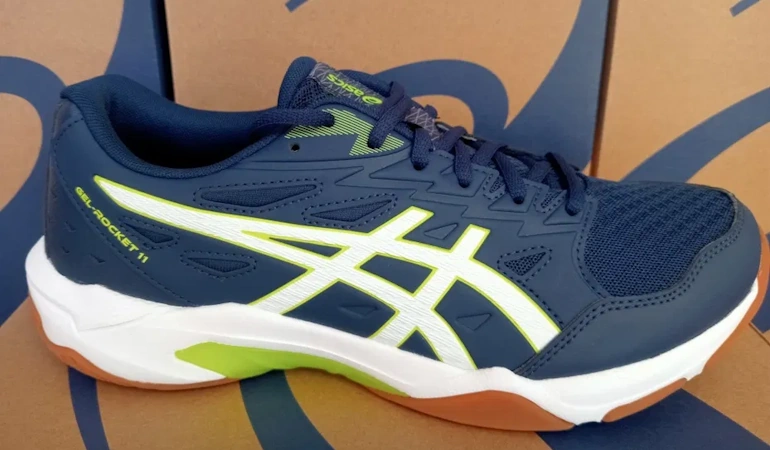
The ASICS Gel-Rocket series has long been a go-to for affordable indoor court shoes. The Gel-Rocket 11 continues that tradition, offering a well-rounded blend of stability, cushioning, and grip at a modest price (typically around $60 to $75). It is sold as a multi-purpose indoor court shoe for various sports.
The shoe features ASICS GEL cushioning in the forefoot for shock absorption, a midfoot TRUSSTIC support to resist twisting, and a wrap-up outsole with an outrigger for lateral stability. Its non-marking gum rubber outsole has a higher natural rubber content than solid rubber for better traction on indoor surfaces.
A breathable mesh upper keeps it light and comfortable for casual play. Its versatility makes it popular from beginner badminton sessions to recreational squash leagues.
Pros:
- Good value for the price.
- Reliable grip and court stability for multi-direction movements.
- GEL cushioning in heel and forefoot softens landings.
- Breathable upper for comfort.
- Fit is generally medium-wide, accommodating a variety of foot shapes (ASICS tends to have a roomier toe box than some brands like Yonex).
Cons:
- Slightly heavier and less low-to-the-ground than higher-end shoes built for speed, so some advanced players find the court feel a bit muted due to the extra cushioning.
- Lacks some of the premium tech (advanced energy-return foams or rigid stabilizers) found in pricier models.
- Cushioning is adequate but can bottom out under very hard use over time.
Brand Comparison: ASICS vs Yonex (Budget Models): ASICS shoes like the Gel-Rocket prioritize comfort and impact protection (GEL pads), whereas Yonex's lower-priced models (the Power Cushion 37 or 50 series) are often lighter but with a snugger fit and firmer feel.
If you have wider feet or sore joints, the Gel-Rocket's slightly plusher padding may feel better, while Yonex's budget shoes might offer a bit more agility at the cost of less cushioning.
Availability: Widely available. You can find the men's Gel-Rocket 11 on Amazon and at sporting goods retailers, or direct from ASICS, in multiple colorways. It is one of the most popular indoor court shoes globally, so sizes are generally easy to find.
HEAD Sonic 2000 Mid - Mid-Cut Support and Durability on a Budget
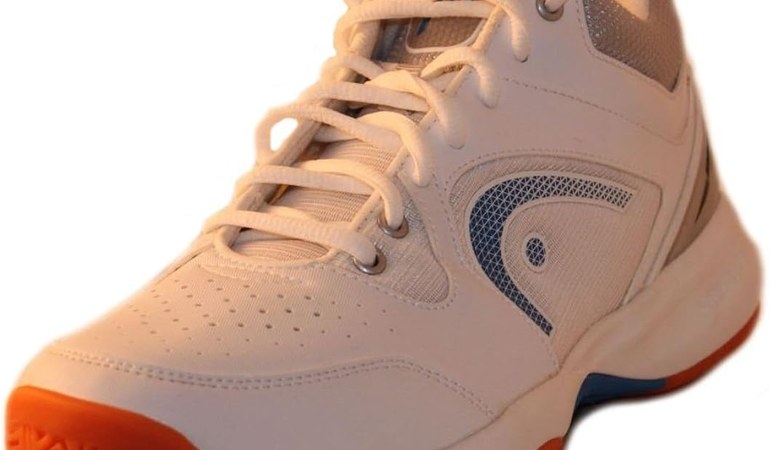
For players who want extra ankle support and durability without spending a fortune, the HEAD Sonic 2000 Mid is a strong choice. Priced around $75 to $80, this model has a mid-cut design for ankle stability and a rugged build favored by many racquetball and squash players.
The upper combines breathable mesh panels with synthetic leather overlays for a secure fit with minimal break-in. An internal pre-molded heel counter locks in the rearfoot, and HEAD's HyBrasion non-marking gum rubber outsole delivers good traction and wear resistance on indoor courts. The EVA midsole offers ample cushioning for shock absorption on jumps and hard lunges. The Sonic 2000 Mid trades a bit of bulk for support and longevity.
Pros:
- The mid-cut collar gives noticeable ankle support and confidence against rolls.
- Very durable outsole and upper, built to withstand the toe-drag and wall contact common in squash and racquetball (the gum rubber outsole provides strong traction and durability on every court).
- Comfortable out of the box with a generous fit; the mix of mesh and synthetic leather is solid yet breathable.
- Value is excellent (often under $80).
Cons:
- On the heavier side (around 11.6 oz), which can feel a bit clunky for badminton or fast pickleball play where lightness matters.
- Cushioning is adequate but not highly bouncy; one reviewer wished it had a little more bounce in the sole.
- The mid-cut design, while supportive, may restrict ankle mobility slightly for those used to low-tops, a trade-off between support and agility.
- The aesthetics are plain and old-school, prioritizing function over form.
Brand Comparison: HEAD/Traditional vs Modern Low-Tops: The HEAD Sonic 2000 Mid represents a classic approach to indoor shoes, with robust construction and mid-cut support. Compared to modern low-top performance shoes (from ASICS, Yonex, Salming), the Sonic 2000 feels sturdier and more supportive but less nimble.
A premium shoe like the Yonex Eclipsion Z3 or ASICS Sky Elite has more advanced cushioning and lighter materials, but some players, especially in racquetball, still prefer the secure, locked-in feel of the HEAD mid.
If you have had ankle injuries or simply like a high-support shoe, the Sonic 2000 outclasses most low-top budget shoes in that aspect. If you crave speed and lightness, you might lean toward a low-top model and use ankle braces as needed.
Availability: This shoe is a bit niche but available at specialty retailers. SquashGalaxy and Racquetworld carry the HEAD Sonic 2000 Mid (usually around $80). It comes in common color options (black or white variants). Some Amazon sellers list it too, but make sure you get the Mid version for the higher collar. Given its popularity in squash and racquetball circles, it is often in stock, but popular sizes can sell out due to loyal repeat buyers.
Mid-Range Options ($80 to $130)
Yonex Power Cushion 65 Z3 - Balanced Performance for Fast Footwork
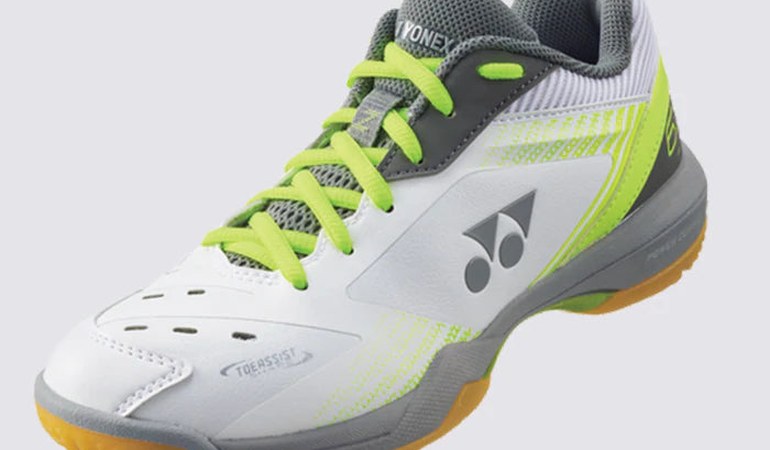
The Yonex Power Cushion 65 Z3 (and the latest Z4) is widely regarded as one of the best all-around indoor court shoes for avid players, especially in badminton but equally at home on a squash or pickleball court. Yonex designed the 65Z series for a balance of cushioning, comfort, and durability, and it shows.
This shoe sits at the mid-to-high end of Yonex's lineup (around $130 to $150), featuring the Power Cushion+ midsole that absorbs shock and rebounds energy for quick transitions. The fit is medium-slim with a very secure heel and midfoot, which agile players love.
A Radial Blade outsole pattern gives strong grip in all directions; one reviewer said that after upgrading to the 65Z3 they felt glued to the floor. Despite its light weight, the shoe offers good support: a graphite stability sheet in the midsole and solid heel counters keep you confident in lunges and lateral stops.
Breathability is notable, with ample mesh ventilation. The 65 Z3 strikes a good balance between speed and protection, making it a top pick for an all-around court shoe.
Pros:
- Strong traction: the grippy sole and tread design provide top-tier court grip, enhancing quick changes of direction (players report needing time to adjust to how much more grip the 65Z has than cheaper shoes).
- Lightweight: Yonex shoes tend to feel lighter and more connected to the court compared to chunky alternatives.
- Responsive cushioning: the Power Cushion+ inserts in the heel and forefoot soften landings then spring back to help your push-off, which is good for explosive movements.
- Quite durable for its weight; after months of use, testers report no significant outsole wear or upper tears.
- Fit is snug and secure, preventing internal foot slippage, a locked-in feel many find confidence-inspiring for aggressive play.
- Comfortable out of the box with minimal break-in.
Cons:
- The snug fit may not suit very wide feet; some users with broad feet report a bit of rubbing until they wear thin socks or break the shoes in (Yonex generally runs narrower than brands like ASICS).
- The cushioning is good but tuned for agility over plushness; if you are used to a very soft, pillowy shoe, the 65Z3 might feel firmer at first.
- The toe guard is decent but slightly less reinforced than the heavier Yonex Eclipsion model, so frequent forceful toe drags might wear through the front over a long time, though most players will not find this an issue.
- The price is on the higher side of mid-range; you are paying for flagship performance, so it might be more than a casual player needs.
Brand Comparison: Yonex vs Victor vs ASICS (Mid-tier): In badminton, the Yonex 65Z3 is often compared to the Victor A970 series and ASICS Gel-Blade shoes. The Yonex typically offers more responsive, springy cushioning (Power Cushion) and a lighter feel, whereas Victor's equivalent might have slightly more padding and a different fit (Victors often accommodate wider feet a bit better, but models vary).
Compared to an ASICS shoe like the Gel-Blade 8, the Yonex 65Z3 feels more snug and connected, with stronger grip, while the Blade might give a touch more forefoot flexibility and a roomier toe box.
One reviewer summarized the 65Z3 as very comfortable, all-around, lightweight enough, and bouncy enough, noting that while it cannot match the beefier Yonex Eclipsion for absolute stability or shock absorption, it hits the sweet spot for balanced performance. If you value quick footwork, it likely edges out most ASICS in this range for agility, whereas some ASICS might win on cushioning plushness.
Availability: Yonex shoes can be found through badminton specialty stores and online retailers. The Power Cushion 65 Z3 (and newest 65 Z4) is available in men's sizes at shops like Badminton Avenue or RacquetGuys (around $130 to $140). Amazon also stocks popular sizes and colors. Yonex often produces a Wide version (65Z3 Wide), so select the correct width if needed. Specialty retailers carry multiple colorways, including special editions. Expect to pay around $130 for standard colors and up to about $150 for limited editions.
ASICS Sky Elite FF 2 - High Cushioning and Support for Intense Play
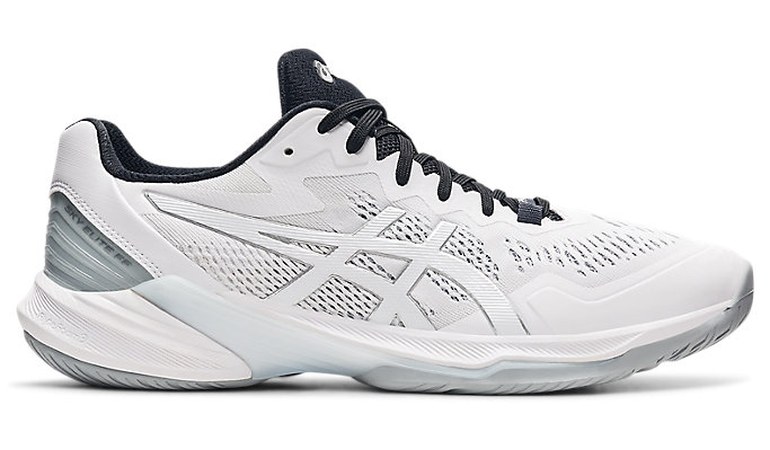
If you prioritize cushioning and shock absorption, for example to protect your knees during hard landings or for comfort over long matches, the ASICS Sky Elite FF 2 is a top contender. Originally a premium volleyball shoe, it has been adopted by squash and badminton players who appreciate its plush ride and stability features.
Priced around $120 to $130, the Sky Elite FF 2 packs an ASICS FlyteFoam midsole with GEL inserts, for a soft yet responsive cushioning setup. Traction on indoor courts is strong; ASICS uses a quality rubber compound with wide flex grooves that grip in every direction, and testers report no slipping issues.
Stability is another strength: a rigid midfoot shank (TWISTRUSS technology) resists torsional twisting and adds arch support, and the outsole has a broad base with an outrigger to keep you steady on lateral cuts. ASICS also incorporated DYNAWRAP straps in the upper, which tighten as you lace up to prevent your foot from shifting inside during quick stops.
The result is a shoe that feels secure and supportive yet well-cushioned. It is slightly heavier than featherweight options, but many find it surprisingly agile for the tech it carries. This shoe suits players who jump a lot or anyone with a history of joint pain who needs extra impact protection without sacrificing stability.
Pros:
- Strong cushioning: many players rate it among the most comfortably cushioned indoor shoes, with soft GEL in the heel and a bouncy FlyteFoam midsole providing impact protection for hard landings. If you do a lot of jumping, it helps absorb shock and can reduce foot and knee fatigue.
- Good stability and support: a wide outsole and pronounced outrigger keep the foot flat to help prevent ankle rolls, and the TWISTRUSS plate keeps the midfoot from bending in ways it should not, so even on quick lateral moves or awkward landings the shoe stays supportive.
- Strong lockdown: the DYNAWRAP system and robust heel counter clamp your foot in place, which inspires confidence when pushing off or changing direction hard.
- Traction is reliably grippy on indoor floors.
- Breathability is good; the upper has plenty of mesh and wearers note the ventilation keeps the shoe from feeling swampy despite its size.
- Durability is solid; the outsole and upper materials hold up over many hours of play.
Cons:
- Weight and bulk: this is not a minimal shoe and is noticeably bulkier than speed-oriented models like the Salming Viper or Yonex Aerus. Some players find it a bit tank-like at first, though it is still well-balanced.
- Snug forefoot fit: the DYNAWRAP that improves support also makes the forefoot feel tight for some. Players report a firm pressure around the ball of the foot when laced up, not painful but noticeably snug during hard pushes or landings. For a high-volume or very wide forefoot this could be uncomfortable; consider going a half-size up or loosening the lower laces.
- Average upper comfort: aside from the underfoot cushioning, the upper is a basic engineered mesh with minimal padding, so step-in comfort is decent but not luxurious.
- The styling is plain, typically available in only a couple of colorways, reflecting its performance-first design.
Brand Comparison: ASICS Sky Elite vs adidas Crazyflight vs Yonex Eclipsion: These are all premium indoor shoes with different philosophies. The adidas Crazyflight (another popular cushioned court shoe) uses a full Boost midsole (very bouncy) and is lighter, but many players find the ASICS Sky Elite more stable and supportive, whereas the Crazyflight can feel a bit less structured. If cushioning is the absolute priority both are good, but ASICS may edge out in stability and durability.
Versus the Yonex Power Cushion Eclipsion Z3 (Yonex's stability-focused model, discussed below), the Sky Elite FF 2 has a softer, more forgiving cushion (the Eclipsion is firmer and heavier). The Sky Elite is also more breathable than the Eclipsion, which has thicker synthetic uppers.
The Sky Elite FF 2 is a top choice if you want a blend of cushioning and support, often recommended for older players or those with joint concerns who still play competitively. If you tried something like the ASICS Gel-Rocket and found it not cushioned or stable enough, the Sky Elite FF 2 is a clear upgrade in both areas, at a higher price and weight.
Availability: ASICS distributes this model widely. It is sold as a volleyball shoe, so look in volleyball specialty stores as well as general sports retailers. Retail price is around $130, and it can often be found on sale closer to $110. It is available on Amazon and on the ASICS official site. Some racket-sport retailers carry it due to crossover demand. Make sure you get the men's low-cut version (there is also a mid-cut MT version and women's versions). Sizes run true for ASICS; if you have very wide feet, consider a 2E width if available.
Premium Options ($130 and Up)
Salming Viper Pro - Lightweight Speed with Stability for Advanced Players
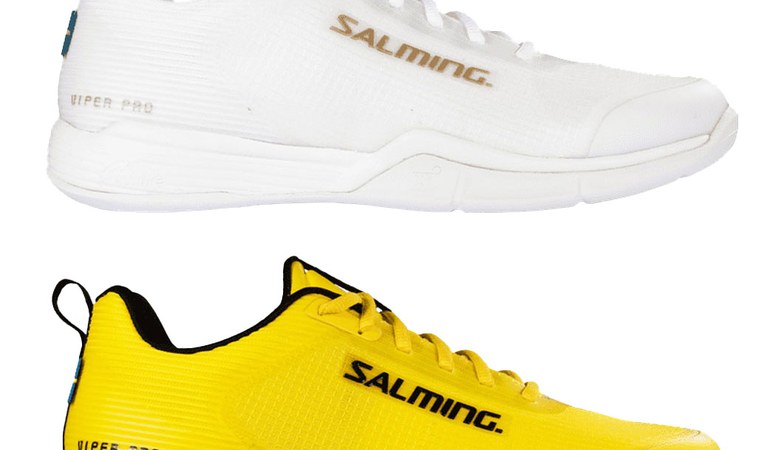
Swedish brand Salming is well known in squash circles for high-performance indoor shoes, and the Viper Pro is a flagship built for speed without sacrificing support. With a retail price around $130 to $150 (often on sale closer to $100 to $120), it is aimed at serious players who want a very light shoe that can handle the aggressive movements of squash, racquetball, or badminton.
It weighs about 310g (around 11 oz), which is impressively light for a shoe with this level of stability features. Salming achieves this through a three-layer upper called ViperSKIN 2.0: a soft breathable mesh closest to the foot for comfort, an exoskeletal cage for support, and a thin durable ripstop outer layer to protect against abrasion. This keeps the foot locked in without heavy overlays.
Underneath, the Viper Pro has a low profile with a 6mm heel-to-toe drop, giving good court feel and quick response for directional changes. The non-marking outsole uses Salming's XR110 high-grip rubber, known for very sticky traction on indoor surfaces.
Despite being a speed-oriented model, the Viper Pro keeps stability in mind: it features a torsion unit and RollBar edge technology to reduce the risk of ankle rolling during hard cuts. The midsole is Salming's RunLite2 foam, which is responsive with a bit of rebound (not a plush cushion, more a springy, low-to-ground feel).
The Salming Viper Pro suits the competitive player who plays on their toes; it is fast, secure, and very grippy, letting you move explosively while still offering enough support to help prevent injury.
Pros:
- Very light feel: at roughly 11 ounces the shoe feels quick. Players coming from bulkier shoes notice how fast they can move and how connected they feel to the court.
- The low-profile design (low midsole stack and modest heel drop) gives good ground contact and responsiveness, which squash players in particular love for short, sharp movements.
- Notable support despite the light weight: the exoskeletal wrap (ViperSKIN) plus a rigid torsion unit keep your foot stable on lateral cuts, so you can plant and change direction aggressively with confidence.
- Top-tier traction: the XR110 outsole and controlled flexibility let the shoe bite into the floor on stops and push-offs. Many users report Salmings have some of the best grip of any indoor shoes, which can improve retrievals and reaction time.
- The upper and tongue are integrated and streamlined, minimizing rubbing or pressure points even when laced tight.
- Breathability is good thanks to the mesh inner layer.
- Durability, often a concern for light shoes, is decent; the ripstop outer layer and quality rubber mean it can hold up for a season or more of hard play.
Cons:
- High price relative to mainstream brands: at full retail, around $130 to $150 can be steep, though sales can bring it closer to $100.
- Firmer cushioning: this shoe is about speed, so the midsole is thinner and firmer than something like an ASICS Sky Elite or even the Yonex 65Z. If you need lots of shock absorption (bad knees or a heavy landing style), it might feel a bit harsh over long sessions. Some players add an aftermarket insole for more cushion.
- Medium-narrow fit: Salming shoes generally are not as wide as some brands. If you have very wide feet or high arches, you might find the fit too tight or feel some pressure until the shoe breaks in.
- Because the shoe is so light, there is slightly less foot protection; the toe cap is decent but not heavily reinforced, so a very hard toe drag on abrasive courts will eventually wear it.
- The styling is bold (Salming often uses bright colorways), which might limit choices for those who prefer conservative designs.
Brand Comparison: Salming vs ASICS vs Eye/Unsquashable: In squash, the Salming Viper Pro is often pitted against models like the ASICS Gel-Blade or the Eye Rackets shoes. Compared to the ASICS Gel-Blade 8, the Salming is usually lighter and grippier, while the Blade might offer a bit more cushioning and a wider fit. Versus the ASICS Gel-Rocket or Upcourt (cheaper shoes), the Salming is in another league for performance, and price.
Salming also makes the Kobra and Hawk, which are slightly heavier but more cushioned; the Viper is the speed model. If you find ASICS court shoes too heavy or clunky, Salming is a good alternative. Another competitor is the Unsquashable Tour line, which also focuses on lightweight agility, with a similar philosophy but narrower availability.
Salming has a strong reputation in squash, and the Viper Pro is frequently rated among the best squash shoes available. It gives you agility without the instability that sometimes plagues lighter shoes. Keep in mind the firmer ride: if you tried something like the ASICS Sky Elite and found it too cushy or heavy, the Viper Pro will likely suit you; if you thought the Sky Elite's cushion was just right, the Viper might feel a bit spartan.
Availability: Salming is available through specialized retailers. In North America, sites like SquashGear and SquashGalaxy carry the Viper Pro in a couple of color options. It is often discounted (for example, UK and US retailers have run sales well below the roughly $130 to $150 RRP). It is sometimes sold as a unisex design, so be sure to get men's sizing. Amazon sometimes has Salming shoes, but be careful of European sizing conversion. Because Salming is also big in handball, handball equipment sites may carry stock. Try them true-to-size first; most find the length standard, and only width may be an issue for wide feet (a half size up can help).
Yonex Power Cushion Eclipsion Z3 - Maximum Stability and Support (Elite Pick)
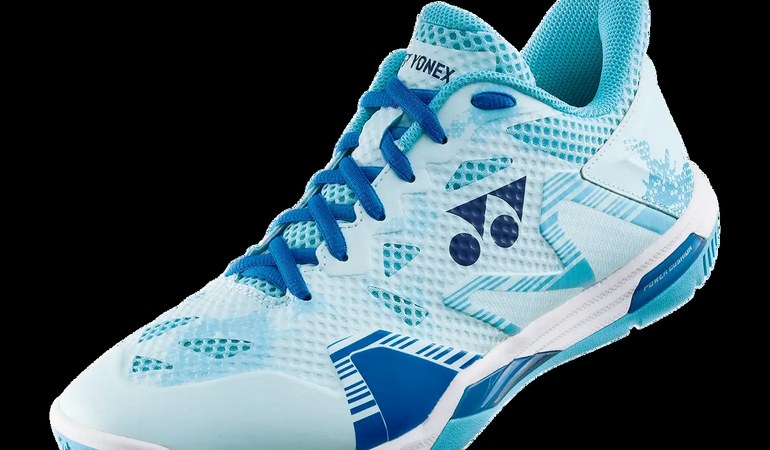
For players who want the most stability, foot protection, and durability, even if it means a heavier shoe, the Yonex Power Cushion Eclipsion Z3 is a top-tier choice. This model is the heaviest and most supportive in Yonex's lineup, often described as a protective shoe that trades some quickness for security.
Priced around $150 to $180 (regular price near $180, often on sale closer to $150), the Eclipsion Z3 is designed to guard your feet during the most grueling rallies and sharp movements. It features a robust synthetic upper with extra reinforcement around the toe and sides, and Yonex's Lateral Shell technology to prevent your foot from sliding over the sole on hard cuts.
The midsole combines Power Cushion and Power Cushion+ layers for strong shock absorption; Yonex states the cushioning absorbs high impact and still rebounds energy. In practice, the Eclipsion provides a very cushioned heel for hard landings and a stable base for lunges. A graphite sheet is embedded under the midfoot for rigidity and to reduce twisting. The non-marking outsole has the same Radial Blade tread as the 65Z, so grip is strong.
The trade-off for all this support is weight and a bit less agility; the shoe sits a bit higher and feels bulkier, which is why it is often recommended for players who prioritize safety and support over quickness. Many singles squash and badminton players who make extreme lunges, and older players wanting injury prevention, gravitate toward the Eclipsion series. It is also a popular choice for indoor pickleball among those who prefer a stable, tennis-shoe-like feel.
Pros:
- Rock-solid stability: it is hard to roll an ankle in these. The wide outsole and lateral outrigger, combined with a supportive upper, keep your foot planted securely. Even at full tilt, the Eclipsion Z3 resists torsional flex and lateral collapse; one reviewer rated it unmatched in the Yonex range for stability and shock support.
- Strong cushioning for heavy impacts: the multilayer Power Cushion system absorbs more shock than the lighter Yonex models. If you often feel heel pain or shin splints from court running, the extra heel cushioning can help. It is designed to let you play long matches without your feet getting beaten up.
- Durability is a major plus: the tough upper and substantial rubber outsole handle friction and toe drags better than most, so you will likely wear out other shoes faster.
- Traction remains top-notch (the same pattern that gave the 65Z3 its strong grip).
- Supportive fit: the heel and midfoot feel very locked-in, with a slight external heel counter that cups your heel. Some players with ankle concerns feel more confident in these than in lighter shoes. For racquetball or squash, where stability can trump speed, this model shines.
Cons:
- Heavier and bulkier: there is no denying the Eclipsion Z3 is on the heavy end for indoor shoes. Some call it clunky until you get used to it. Fast-paced players might feel a touch slower in these than in a quick shoe like the Salming or even the Yonex 65Z.
- The upper, while protective, is less flexible and can feel stiff initially (some break-in is needed).
- Ventilation is reduced due to the thicker materials, so your feet may run warmer in long sessions.
- Fit is snug (typical Yonex narrowish profile), and the stiffness means that if it does not match your foot shape it could cause discomfort; wide-footed players might need the Wide version or another brand.
- High price (often one of the most expensive court shoes on the market), though you are getting top-end technology.
- You are trading some agility for maximum protection, which is not a worthwhile trade for everyone. A very agile badminton doubles player might find these excessive, whereas a squash player with prior ankle injuries might love them.
Brand Comparison: Eclipsion Z3 vs K-Swiss / tennis-style shoes: Some pickleball players use reinforced tennis shoes for indoor play (like the K-Swiss Express Light or Wilson Rush Pro). The Eclipsion Z3 feels somewhat similar to a supportive tennis shoe, with substantial cushioning and a durable outsole, but it is optimized for indoor traction (non-marking sole) and quick toe movements.
Compared to the ASICS Sky Elite FF 2 above, the Eclipsion is even more stable but less springy; the Sky Elite is a bit more comfortable, while the Eclipsion is more protective. If the Sky Elite is a cushioned but still nimble shoe, the Eclipsion plants you firmly.
Another shoe in this category is the Mizuno Wave Momentum or Wave Stealth (volleyball and handball shoes focused on cushioning and stability), which are also a bit heavy but plush. The Eclipsion likely has a harder, more supportive feel than the Mizuno, which tends to have a softer sole.
Choose the Eclipsion Z3 if you want to feel fully supported and secure and are willing to wear a heavier shoe to get that. Yonex built it by focusing on stability and protection; it is not trying to be everything, it is built for a specific user profile.
Availability: Yonex Eclipsion series shoes are available through badminton retailers and some tennis outlets. The Eclipsion Z3 Men's comes in various colors (navy/blue, white/gold, and others) and in standard or wide versions. Expect to pay around $150 to $180. Check sites like BadmintonWarehouse, RacquetGuys, or Amazon. Because it is a premium model, stock can be limited; if you see your size, it is wise to grab it.
Older versions (Eclipsion Z2) may be discounted and are similar in approach, with minor updates in the Z3 for fit and weight. For similar support at a lower price, some also consider the Yonex Comfort Z series (designed for max cushioning), but the Eclipsion generally has better lateral support than the Comfort line.
Choosing the Right Shoe
The best shoe depends on your play style and priorities. A lighter shoe like the Salming Viper Pro or Yonex 65Z3 favors speed and agility, whereas the ASICS Sky Elite FF 2 or Yonex Eclipsion Z3 favor cushioning and support. All the models listed have non-marking soles suitable for indoor courts and come from reputable racquet-sport brands.
Here is a quick at-a-glance comparison of the five models:
| Model | Tier / Price | Best For | Key Strength | Fit |
|---|---|---|---|---|
| ASICS Gel-Rocket 11 | Budget, $60 to $75 | All-around value, casual play | Comfort and price | Medium-wide |
| HEAD Sonic 2000 Mid | Budget, $75 to $80 | Ankle support, durability | Mid-cut support and toughness | Generous |
| Yonex Power Cushion 65 Z3 | Mid-range, $130 to $150 | Fast footwork, all-around | Balanced grip and lightness | Medium-slim |
| ASICS Sky Elite FF 2 | Mid-range, $120 to $130 | Cushioning, hard landings | Plush cushioning and stability | Snug forefoot |
| Salming Viper Pro | Premium, $130 to $150 | Speed-focused advanced players | Light weight and traction | Medium-narrow |
| Yonex Eclipsion Z3 | Premium, $150 to $180 | Maximum stability and protection | Stability and durability | Snug, narrowish |
Fit and comfort are crucial; a shoe should feel secure but not painfully tight. If possible, try them on or order from a retailer with a good return policy, since each has a slightly different fit profile (Yonex and Salming lean narrower, ASICS and K-Swiss wider).
Also consider your primary sport: a squash or racquetball player might lean toward the very grippy, stable shoes for constant direction changes, while a badminton or pickleball player might emphasize light weight for quick reflex moves.
No matter which you choose, a quality indoor court shoe can improve your performance and reduce injury risk, so it is a worthwhile investment if you play regularly. All the options above have earned strong reputations among players and should serve you well on the court.