
Buying tickets for major squash tournaments can be exciting, but also tricky. High-demand events attract scammers and inflated resale prices.
This guide covers the most prominent squash tournaments worldwide, how to buy tickets safely (officially and on resale), warning signs of scams, and tips to find the best deals. Use the sections below to help you get legitimate tickets at a fair price.
Major Squash Tournaments and Ticket Outlets
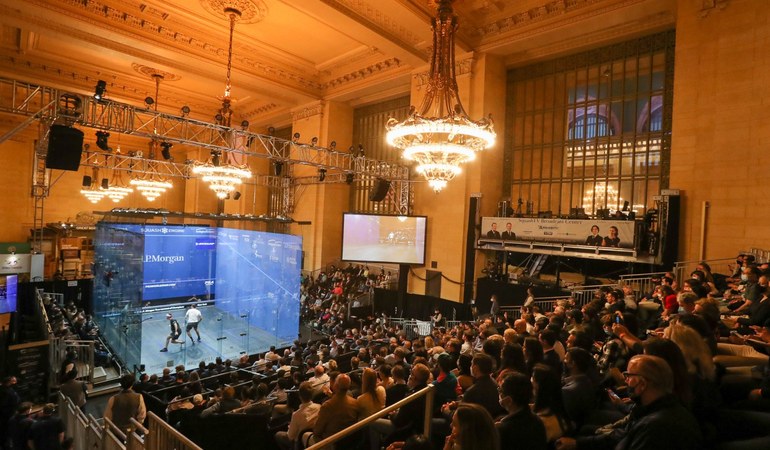
The most prestigious professional squash events include the PSA World Championships, the British Open, the Tournament of Champions, the U.S. Open, the Hong Kong Open, and the CIB Egyptian Open. These tournaments draw the top players and large fan interest.
For background on the professional circuit and event calendar, the PSA Squash Tour site is a useful starting point. Here is where each tournament is held and how tickets are usually sold.
| Tournament | Location | Where to buy |
|---|---|---|
| PSA World Championships | Host city varies each year | Official event site for that edition (for example worldsquashchamps.com) or the host venue box office. Sale dates are announced by the PSA and WSF. |
| British Open | West Midlands, England (recent editions at the Birmingham Repertory Theatre, with earlier rounds at Solihull Arden Club) | Official site (britishopensquash.info) and the host venue box office. Ticketing queries can go to the PSA at ticketing@psasquashtour.com. |
| Tournament of Champions | Vanderbilt Hall at Grand Central Terminal, New York City | Official site (tocsquash.com). It is also free to watch from the surrounding passageway, with paid seating for the best view. For group sales or VIP packages, contact tickets@squashengine.com. |
| U.S. Open | Arlen Specter US Squash Center, Philadelphia | Official site (usopensquash.com). General admission, reserved back-wall seats, and patron packages are offered, along with group bookings. |
| Hong Kong Open | Hong Kong, China | The Squash Association of Hong Kong, China and the official tournament site (hksquashopen.com). Tickets are also sold at the association office. |
| CIB Egyptian Open | Giza, Egypt (including matches in front of the Great Pyramid) | Official site (cibegyptiansquashopen.net) and authorised agents. Check the official site each year, as ticketing arrangements (and free general entry for some sessions) can change. |
Other events such as the PSA World Tour Finals, Windy City Open, and El Gouna International also have official sites or PSA pages with ticket links. Always start from the official tournament or federation website to find legitimate primary ticket sales.
Trusted Official Ticket Outlets
Buy through official channels first. Major tournaments sell through an official outlet, typically the tournament website, the host venue box office, or a ticket agency designated by the organisers.
For example, the British Open sells tickets via its official site and venue, and the Tournament of Champions sells through its own official portal. Official outlets ensure authenticity. As Ticketmaster advises, the only guaranteed genuine tickets are those bought from official vendors or the venue box office.
Where to find official sales:
- Tournament websites. Most events have a dedicated site with a Tickets section. Use these for direct links to purchase. If a site redirects to a known ticketing service, that is usually intentional and safe. Always double-check that the URL is the event's known domain.
- National federations or venues. Some events, such as the Hong Kong Open, sell tickets through the national squash association or on-site offices. Check the official federation pages for ticket information, especially for events in countries where global ticket agencies are less common.
- PSA and WSF announcements. The PSA World Tour site often posts news when tickets go on sale for big events. These usually include a link to the official vendor. If in doubt, use those links or contact the event organisers, many of whom provide a ticketing email for inquiries.
If you are travelling for an event, look for official travel packages. Some tournaments partner with travel companies to offer tickets plus hotel deals, which is a safe bundle option.
Reputable Secondary Market Platforms
If official tickets are sold out or unavailable, you may need the secondary market. Stick to well-known, reputable resale platforms that offer buyer protection and verified tickets, and avoid random sellers on social media. Reliable options include the following.
- Ticketmaster Exchange or Verified Resale. Many events, especially in the U.S. and Europe, integrate official resale through Ticketmaster. Where available, this is ideal: verified resale tickets are reissued through their system with new barcodes, ensuring validity.
- StubHub. A global resale marketplace that offers a FanProtect guarantee, meaning you receive valid tickets or your money back. Buying from StubHub or similar trusted sites such as SeatGeek or Vivid Seats is safer than anonymous person-to-person deals.
- Viagogo. An international platform that often lists sports events. Legitimate tickets are usually delivered, but fees can be high and some listings are overpriced. Use it cautiously and pay with a credit card for protection.
- Regional resale sites. In some regions, look for local reputable sites with a guarantee or escrow, such as Twickets in the UK (face-value resale) or TickPick in the US.
- Official fan exchanges. Some tournament organisers facilitate a ticket exchange for fans or partner with a resale site. Check the event's website or social media to see whether they endorse a resale channel.
Always prefer platforms that will refund you if the ticket is invalid. Avoid informal channels like Craigslist, Facebook Marketplace, or unsolicited direct messages on social media, which are common places for scammers selling fake tickets. Buying from strangers without protection is essentially a gamble.
If you must buy directly from an individual (for example, a fan with spare tickets):
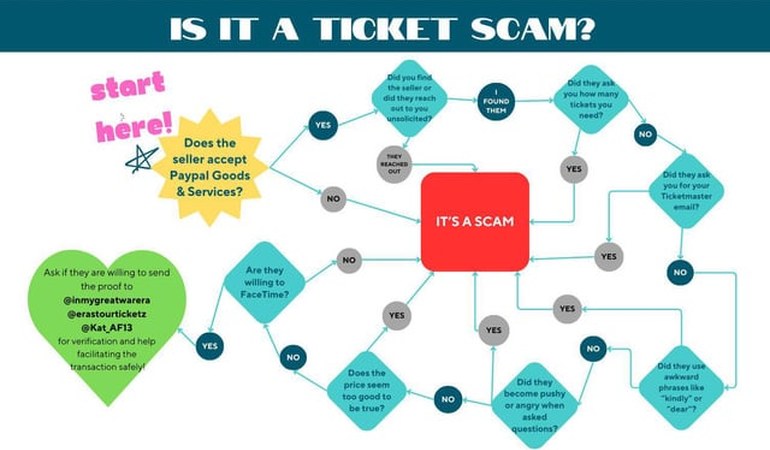
- Use a secure payment method that offers buyer protection, such as PayPal Goods and Services, a credit card, or a trusted escrow. Never wire money, send cash, or use PayPal Friends and Family for a stranger, since scammers often insist on those unrefundable methods. A legitimate seller will accept a protected payment. If a seller refuses PayPal Goods and Services, treat it as a red flag.
- Where possible, ask the seller to transfer the ticket through the official ticketing app or site, for example a Ticketmaster transfer or forwarding through the original ticket platform. This way you receive the ticket in your own account, confirming it is authentic and only yours. Scammers typically make excuses to avoid official transfers.
Common Ticket Scams in Sports (and Squash)
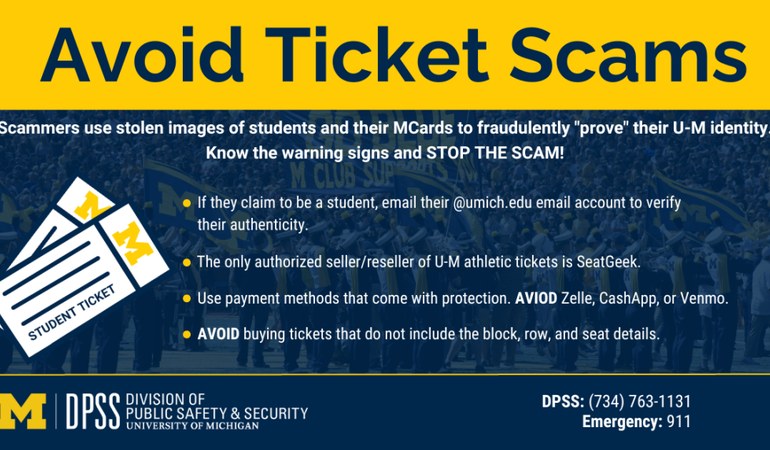
Scammers target popular events by exploiting fans' eagerness. Be aware of these common scenarios.
- Fake websites and emails. Scammers create sites that mimic official tournament pages or legitimate ticket vendors, often using URLs with small typos or a different domain ending. These sites take your money and provide fake tickets or nothing at all. Always confirm you are on the official site, ideally by navigating from the official PSA or federation page.
- Deals that look too good to be true. If someone offers premium finals tickets far below face value, be skeptical. Scammers price fake tickets cheaply for sold-out matches. A genuine seller might offer a slight discount, but rarely a huge one on a high-demand ticket.
- Sob-story sellers. Scammers may claim they urgently need to sell because of a medical emergency, travel issue, or deployment. They create false urgency and sympathy to rush you. Do not let an emotional story override caution.
- Counterfeit e-tickets or PDFs. Scammers often sell the same PDF or screenshot to multiple buyers. The barcode may have been duplicated or already used. Without an official transfer, you have no way to know whether that ticket is still valid or has been copied.
- Social media imposters. If you post that you need tickets, fake accounts may message you offering theirs. If an unknown person contacts you out of the blue offering tickets, it is likely a scam. Scammers monitor event hashtags and groups to find targets.
- Phony confirmation receipts. If you ask for proof, scammers might show a doctored confirmation email or receipt. Do not trust screenshots alone, since they can be faked. For a resale from an original buyer, ask for an actual ticket transfer or verify the order with the ticket issuer.
- Fake or nonexistent VIP packages. Another scam sells VIP passes or special access that do not exist or are not for sale to the public. Always check with the official event about any VIP or hospitality packages; genuine ones are sold only through official channels.
Red Flags When Buying Tickets
When browsing tickets, especially from third-party sellers, watch for these warning signs of potential fraud.
- Prices that are unrealistically low or sky-high. A price well under market for a sold-out final is suspicious. Exorbitant prices from unknown sites, far above face value with huge fees, are also a red flag. Compare prices across platforms to learn the typical range, and treat extreme outliers as suspect.
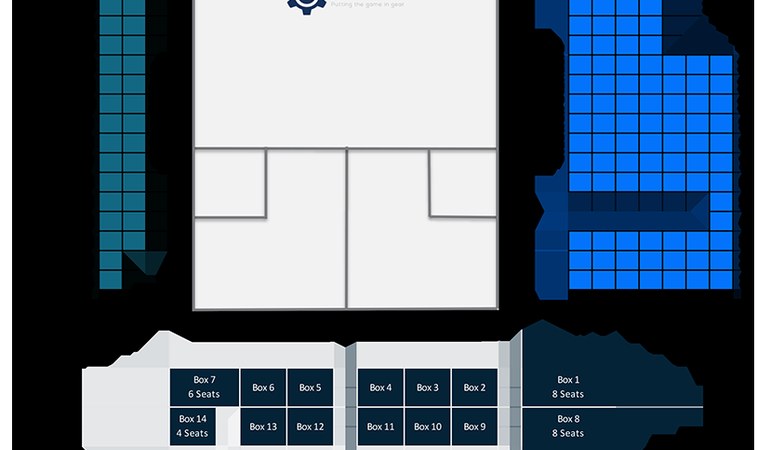
- Strange seat locations or details. Check the venue's official seating chart if available. If a listing shows a section or row that does not exist, it is likely a scam. Also ensure the match date, time, and round are correct, since fake tickets often have subtle errors.
- Seller will not use safe payment. If an individual demands payment by wire transfer, bank transfer, prepaid gift cards, or PayPal Friends and Family, do not proceed. These methods are nearly impossible to recover funds from. A legitimate seller usually accepts a secure method, or agrees to meet in person at a safe location if local.
- Rushed or pressured communication. Be cautious if a seller pressures you to act fast or says others are waiting. High-pressure tactics are meant to stop you from doing due diligence. A scammer often pushes hard and avoids detailed questions. Take your time to evaluate.
- Refusal to provide proof or transfer. If a reseller will not show verifiable proof, such as initiating a Ticketmaster transfer or a photo of a physical ticket with identifiable features, that is a red flag. Insist on a secure transfer, or at least ask for the original purchase confirmation and verify it with the ticket provider before paying.
- Contact out of nowhere. If someone contacts you directly offering tickets, especially when you did not publicly ask, be skeptical. Scammers often initiate contact. Reach out to known sellers yourself through reputable sites.
- Website red flags. On any ticket site, look for HTTPS in the URL, professional design, and clear contact information. Poor grammar, misspellings, or only odd payment methods are bad signs. If the site does not clearly identify itself or offer customer support, avoid it.
- Off-platform requests. On resale sites, a scammer may try to move the deal offline to avoid fees. This is risky, since you lose the site's protections. Keep the transaction within the platform's official process. Someone claiming to sell on behalf of another person is also concerning; you want the direct owner or an authorised broker.
If multiple red flags appear, walk away. It is better to miss out than to lose money on a scam.
Tips for Getting the Best Ticket Deals
Everyone wants a good deal, but you also want legitimate tickets. Here is how to maximise value and minimise cost.
- Book early for early-bird discounts. Many tournaments offer early-bird pricing for tickets bought well in advance. For example, the Singapore Open has offered around 25 percent off certain seating categories for early bookings, with further discounts for children and students. Watch for announcements when tickets go on sale, and subscribe to tournament newsletters to catch early-bird windows.
- Consider multi-day passes or packages. If you plan to attend several days, look for multi-session packages, which often cost less per session than buying each day separately. Patron packages covering all days can be expensive up front but valuable if you want premium seats every day.
- Group discounts. Check whether the event offers group rates. The Tournament of Champions and U.S. Open both provide discounts or special seating for group purchases. If you have friends or club members attending, buying together can reduce the per-ticket price. Contact the event's ticket office to ask about group options.
- Compare prices across platforms. If buying on resale, compare a few marketplaces for the same session, since prices, fees, and listings vary. Ensure any platform you use is reputable.
- Be strategic about timing. Prices usually rise for later rounds such as semifinals and finals. If you are flexible, you can save by attending earlier rounds, which still offer great action. Some events have free or very cheap entry for opening sessions; for instance, the U.S. Open has offered free general admission on its opening day. Early-round tickets are often cheaper and plentiful.
- Last-minute deals, with caution. If an event is not sold out, last-minute tickets may drop in price as sellers try to recoup something. Use this carefully: make sure the site can deliver electronic tickets instantly, and mind the timing so you do not miss play while handling a transfer. For official tickets, tournaments sometimes release extra seats or standing-room tickets shortly before the event, so follow their social media.
- Avoid unnecessary fees. When comparing options, factor in fees and currency exchange. A ticket at one price with low fees can beat a lower headline price with high fees. Some official outlets sell in local currency, so use a credit card with no foreign transaction fee when buying from an overseas site to avoid extra charges.
- Use memberships or affiliations. If you are a member of a national squash federation or local club, ask whether they offer promo codes or pre-sales. Organisers occasionally give pre-sale access or small discounts to members, sponsors, or partners.
Planning ahead is key to good deals: buy early when possible, or be patient and careful in the resale market if you decide to wait. A cheap ticket is not a good deal if it turns out to be fake, so balance saving money with safety.
Verifying Ticket Authenticity
Once you have a ticket in hand or on your phone, you want confidence that it is genuine. Here is how to verify tickets.
- Buy from official or verified sources. The simplest way to ensure authenticity is to use official vendors or verified resale. Tickets from Ticketmaster's own system or the venue box office are genuine by definition. StubHub and similar platforms guarantee validity or your money back, which effectively verifies the ticket for you. Reputable sources greatly reduce the need to authenticate tickets yourself.
- Inspect physical tickets. If you receive a paper ticket, examine security features. Most real tickets have holograms, watermarks, barcodes, or special inks that are hard to forge. The hologram should be crisp and match the event branding. Official tickets use high-quality stock, not flimsy paper. Check for misprints such as blurriness, off-center text, or typos, which point to a counterfeit.
- Verify e-tickets and QR codes. Electronic tickets typically have a QR code or barcode, and many events use mobile ticketing apps, so use them. If someone emails you a PDF, try scanning the barcode with the official app to see whether it is recognised. Some apps indicate whether a ticket has already been scanned or transferred. An email PDF is riskier than a mobile ticket held in your own account.
- Ask the venue or organiser. If in doubt, call or email the venue ticket office and ask them to verify the ticket number or barcode. Provide the section, row, and seat, or any order ID. Policies vary, but some will confirm whether a seat is sold or whether a code is valid, which can catch duplicates.
- Use official transfer to validate. If a seller transfers a ticket to you through the official system, that is strong validation. When you accept the transfer and see the ticket in your own account, you know it is legitimate and under your control. If a seller claims they cannot transfer and will only email a ticket, treat it cautiously and insist on proof.
- Cross-check details. Confirm the names, dates, and details on the ticket make sense. If the ticket lists a name, does it match the seller's, if they showed ID? Ensure the event date, session, venue, and round match the schedule you expect. Any mismatch is a bad sign.
- Check multiple tickets. If you bought a set, each should have a unique barcode or serial number. Two tickets with identical barcodes mean fraud. Even different but very similar numbers can indicate a scammer's template. Authentic tickets for adjacent seats usually have distinct, non-sequential codes.
- Watch for obvious errors. Many fakes have small mistakes: wrong logos, misspelled tournament or venue names, odd fonts, or missing terms and conditions. An official ticket usually includes terms, an official logo, and sometimes sponsor information. A lack of these elements can indicate a forgery.
If something seems off after these steps, trust your instincts. It is better to double-check with an official source, or refuse the ticket, than to be turned away at the gate. Once a fake is detected at an event, the buyer usually has no recourse at the door and would have to pursue a refund later, if at all. Verifying beforehand can save your trip.
By staying vigilant and using official or well-regulated channels, you can enjoy live squash without falling victim to scams.
Use official ticket outlets or respected resale sites, be wary of offers that look too perfect, watch for red flags like unusual payment requests or incorrect ticket details, and take advantage of early-bird specials and group deals to save money. With common-sense precautions, you can cheer on your favourite players from the stands with confidence.