Introduction
Squash is a fast-paced, high-intensity sport that demands a lot from your apparel. The right clothing can improve your comfort and performance on court, whether you are a competitive tournament player or a casual weekend enthusiast.
This guide explains how to choose the best squash clothing for both men and women, focusing on shirts, tops, shorts, and skirts/skorts (and even dresses), but not shoes or accessories. It covers the key features to look for, such as moisture-wicking fabrics, breathability, stretch, fit, and durability, and discusses design considerations specific to squash.
You will also find recommendations spanning budget-friendly picks to premium brands, so you know what to wear on the squash court to stay comfortable and agile during play.
Key Features to Consider in Squash Apparel

Choosing squash attire comes down to selecting clothing that keeps you dry, cool, and unrestricted during play. Below are the main features to consider.
Fabric and Moisture Management
The fabric of your squash clothing is arguably the most important factor. Squash is played in an enclosed court where you build up a sweat quickly, so moisture-wicking material is essential. Look for technical fabrics like polyester or nylon blends that draw sweat away from your skin and dry quickly. These synthetic fabrics are largely hydrophobic, so they help prevent that clammy, heavy feeling of a soaked shirt.
Avoid playing in 100% cotton if possible. Cotton is hydrophilic, so it absorbs and holds sweat, becoming heavy and staying wet, and it can take up to about 50% longer to dry than polyester. In a squash match, a drenched cotton tee can weigh you down and even make you cold once you slow down.
Instead, opt for tops labeled moisture-wicking, or branded fabrics such as Nike Dri-FIT, adidas AEROREADY, or Under Armour HeatGear, all of which are engineered to keep you drier. Some athletic shirts also use merino wool blends or other technical fibers that wick sweat while resisting odor. These can work, but they are usually pricier and less common for squash.
Equally important is the breathability of the fabric. Good squash clothing should allow air circulation to aid cooling. Many high-quality squash or tennis shirts include mesh panels or ventilated zones, often under the arms or on the back, to release heat. A breathable shirt will help evaporate sweat faster and keep your body temperature regulated.
When trying on gear, notice the fabric's weight and weave. Lightweight, slightly porous materials are ideal for intense play. If you hold the fabric up to light and can see some light through it, that is a sign of an open, breathable weave, as long as the material still feels durable. Conversely, avoid cheap plastics or rubbery prints that block airflow.
Quick tip: because squash matches can be very sweat-intensive, some players carry extra shirts to change into between games. Competitive players often bring two or three spare shirts to long matches so they are not stuck wearing a heavy, sweat-soaked shirt in later games. Even for recreational play, it is wise to have a backup shirt if you plan to play multiple matches in a row.
Fit and Freedom of Movement
Proper fit is crucial in squash attire. You need clothing that moves with you and does not distract or restrict. For tops, most players prefer a slim or regular fit: not skin-tight, which can feel clammy when drenched, but not baggy enough to get in the way.
A squash shirt should feel comfortable across your shoulders and chest, allowing you to fully stretch your arms overhead and swing your racket without pulling or binding. The armholes and sleeves should permit free movement; many squash and racquet-sport shirts have raglan sleeves or sleeveless designs for this reason. Women's tops might be racerback or tank style to free the shoulders.
For bottoms, ensure full range of motion in the hips and legs. Squash involves deep lunges, quick twists, and sometimes stretching into splits to reach shots. Shorts or skirts should have an accommodating cut, typically ending above or just at the knee for men's shorts, and mid-thigh for women's shorts or skirts, so your knees and thighs are not impeded.
Many squash shorts include side slits at the hem or are made of stretch fabric to make lunging easier. If you feel any tightness across the thighs when lunging in a fitting room, that garment may be too restrictive for squash. Elasticity is your friend: a bit of spandex/elastane, often 5 to 15%, blended into the fabric gives it a four-way stretch, crucial for unhindered movement. Look for terms like "4-way stretch" or "stretch fabric" on the label.
At the same time, avoid clothing that is too loose or long. Extremely baggy shorts can catch on your knees or the side wall, and oversized shirts might flop around and distract you. A slightly tailored fit minimizes excess fabric that could snag your racket or obscure your vision when you are looking over your shoulder for the ball.
Some women players find that very short running shorts ride up during squash movements. If that is a concern, opt for a longer inseam short (5 to 7 inches) or a compression short underneath, or choose a skirt with built-in shorts for secure coverage. Always do a few mimic movements (swing arms, squat, lunge) in your outfit to test its range before committing to it.
Breathability and Temperature Control
Even though squash is played indoors, often in climate-controlled courts, it can get hot during intense rallies. Beyond moisture-wicking, consider how the clothing handles heat. Lightweight, breathable fabrics are key to not overheating.
As mentioned, many performance shirts have mesh or tiny laser-cut holes for ventilation. Some brands incorporate fabrics that are not only quick-dry but also engineered to enhance cooling by spreading sweat out over a larger area to evaporate faster. For example, you might see fabric names like Coolmax or Uniqlo AIRism, which indicate a focus on cooling and breathability.
Also pay attention to the weight and color of the garment. Lighter-weight fabrics generally breathe better. While color is largely personal preference, light colors (white, pastels) reflect heat more and show sweat less visibly, whereas dark colors can absorb heat but do a better job of hiding sweat stains.
Some competitive players wear white or light grey because it shows less sweat, while others stick to black to hide sweat marks. This is mostly aesthetic, but it can affect how confident or comfortable you feel on court. The choice is yours, but if you tend to overheat, lighter colors and fabrics might keep you marginally cooler.
Durability and Quality
Squash clothing goes through a lot: intense movement, friction, and frequent washing, since you will sweat through outfits regularly. Durability matters, because you want gear that can handle weekly games and repeated launderings without falling apart.
High-quality performance fabrics like polyester and nylon are generally quite durable and color-fast, meaning they will not tear easily or fade with washing. Still, check the construction: double-stitched or reinforced seams, especially in high-stress areas like the crotch of shorts or underarms of shirts, are a sign of well-made apparel. This reduces the chance of seams splitting during an aggressive stretch for a shot.
Also consider fabric thickness and snag resistance. Some ultra-thin sports fabrics, while light, can snag or pull, for example on Velcro or rough surfaces. If you also do drills where you might slide on a wall or dive, a slightly sturdier fabric is beneficial. Compression shorts or inner liners should have strong elasticity that does not wear out quickly.
Brand reputation can be an indicator here, since premium brands often use higher-grade materials that last longer, whereas very cheap no-name gear might lose shape or develop runs after a few uses. Read reviews if possible, as other squash players often comment on how an item holds up over time.
Finally, remember that durability also means the clothing keeps its performance features over time. A good moisture-wicking shirt should not become cotton-like after dozens of washes. To extend the life of your squash apparel, follow care instructions (usually cold wash, avoid fabric softener, which can ruin wicking properties, and hang dry if possible). Investing in slightly better quality can pay off when your shorts do not rip mid-lunge and your shirts still look and feel good next season.
Design and Style Considerations
While function is the priority, design and style have their place, especially if they affect comfort or adherence to any squash norms. Unlike tennis with its sometimes strict dress codes at certain clubs (for example, all-white at Wimbledon or certain country clubs), squash is generally more relaxed about attire. There is no official uniform or color requirement in most squash tournaments; players simply must wear comfortable sports clothing.
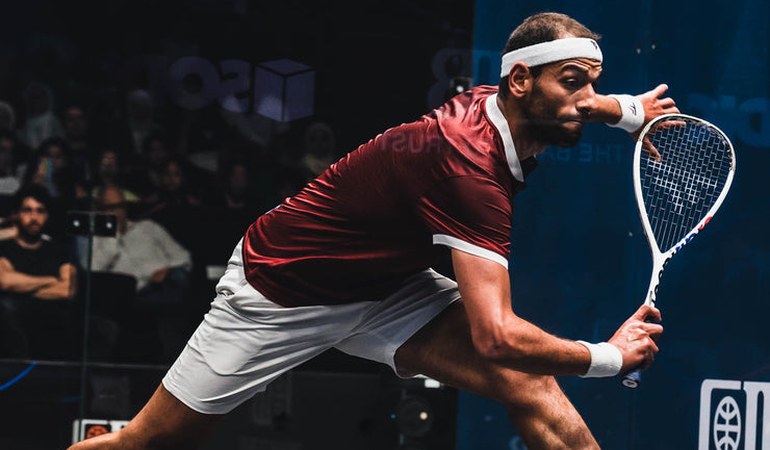
Professional players typically compete in sleek shorts and t-shirts or tank tops, often featuring sponsor logos, but there is a lot of personal variation. Some male pros wear collared polo-style shirts, while others wear crewneck tees; some female pros wear traditional skirts, and others prefer shorts or leggings.
The key in design is that nothing about the clothing should impede play or pose a hazard. This means avoiding any attire with overly large pockets, zippers, or loose hanging parts that could catch on something. Most squash shorts do have pockets, which is fine for casual play or between games, but you will not be carrying a ball during a rally as tennis players do, so pockets are more about convenience off-court.
One design aspect specific to squash and other indoor court sports is that non-marking attire is preferred. This mainly applies to shoes, which should have non-marking gum-rubber soles that grip the court without leaving scuff marks, but if you wear something like a gear belt or knee brace, it should not have hard edges that could scuff walls. Clothing itself rarely marks anything, so this is usually a non-issue.
In terms of style, squash clothing often mirrors tennis and badminton styles. Men typically wear shorts with either a crewneck athletic tee or a polo. Women have perhaps a wider array of stylish options, from shorts and tees to skirts with coordinating tops, or even one-piece dresses designed for racquet sports.
For example, some players enjoy wearing tennis-style dresses that combine a top and skirt in one; these can be very comfortable because they eliminate a waistband and are made of stretch, sweat-wicking fabric. If you choose a dress or skirt, ensure it has built-in compression shorts or wear spandex shorts underneath for coverage during lunges. Most sports dresses and skirts do include integrated shorts for this purpose.
Do not forget to express personal comfort and confidence in your style choices. If you feel self-conscious in very short shorts, choose a longer cut or leggings; if you dislike sleeves, opt for tanks. Liking your outfit can boost your confidence on court. As long as the fabric and fit meet the functional needs described above, you have freedom to pick colors and designs that you enjoy. Some players even coordinate outfits with their racket or shoes for a unified look, which is purely optional but fun for some.
Note on club or tournament dress codes: while rare, some traditional squash clubs may have dress codes (for example, a few old-school clubs require predominantly white attire on court, similar to tennis traditions). If you are joining a club, it is worth checking whether they have any attire guidelines. Likewise, in league or team play, teams might wear matching shirts or colors.
Professional squash bodies such as the PSA and WSF generally just require attire to be appropriate sporting clothing; there is no restriction on colors in pro tournaments, and both men and women can wear what they find comfortable, whether shorts or skirts, sleeveless tops, and so on. One practical courtesy in competition is for opponents to wear different colors to help referees and spectators distinguish players, but this is not a strict rule in squash as it is in some team sports.
Protective eyewear is a separate matter: under World Squash Federation and US Squash rules, players under 19 must wear WSF-certified eye protection in sanctioned junior competition. Certified squash goggles meet a recognized standard for racket-sport eye protection (historically ASTM F803, with the newer ASTM F3164 now also accepted). While not "clothing," eyewear is an important part of the squash outfit for younger competitors. Always review the player guidelines for any tournament you enter, but for the most part, if your clothing is designed for athletic performance, you will meet the standards.
Squash Apparel for Men
Men's squash clothing typically includes a top (T-shirt, polo, or tank) and shorts. The goal is to stay cool and unencumbered. Here is a breakdown of the options.
Men's squash attire is usually a moisture-wicking shirt paired with lightweight shorts. Both short-sleeve athletic tees and long-sleeve performance tops are acceptable, depending on personal comfort. Shirts for men are most often crew-neck or polo shirts made of polyester or poly blends, which wick sweat and allow full arm mobility.
Some players prefer sleeveless tops, especially if they find sleeves restrictive, since sleeveless shirts can give maximum shoulder freedom for swinging. Many men's squash shirts have short sleeves cut to be loose around the arms, so they do not hinder movement. Look for men's tops marketed for tennis, squash, or training, as these will have the technical fabrics needed.
For competitive play, dark or bold colored shirts are common, since sweat visibility is less of a concern, but light colors work just as well if that is your preference. Make sure the shirt length is moderate. It should overlap with your shorts waistband so you are not showing midriff during play, but it should not be so long that it bunches or needs tucking in; most players leave shirts untucked for comfort. If you do tuck in your shirt, ensure it is secure so it does not come out and distract you.
Men can also wear long-sleeve athletic shirts or compression tops, particularly if the court is cold or to absorb sweat from the arms. Just note that long sleeves might feel too warm once you get moving at full intensity. Many players use long-sleeve tops only for warm-up and switch to short-sleeve during the match. If you choose long sleeves for play, it should be a very lightweight, breathable layer; some brands make long-sleeve training shirts with mesh panels specifically for indoor sports.
Shorts for men should be designed for running or court sports. The ideal squash short is lightweight, made of woven or knit polyester with some stretch, and ends a few inches above the knee. This length gives a good balance: long enough for coverage and to have pockets (most have at least side pockets), but short enough to not catch on your knees during deep lunges. An inseam around 7 to 9 inches is typical for men's squash shorts.
The fit can be a straight cut or slightly tapered; as long as you have room in the thigh area to move, you are fine. Many squash and tennis shorts include a gusset (a diamond or triangle-shaped extra piece of fabric in the crotch) that helps the shorts stretch comfortably in all directions, a nice feature for lunging.
The waistband should be elastic, with a drawstring for adjustment, so it stays put as you sprint and twist. Make sure the waistband is not overly tight or abrasive; wider waistbands tend to be more comfortable. You can wear a supportive compression short or athletic brief underneath for comfort. Some shorts come with built-in liners, though most men's squash shorts do not, unlike swim trunks.
As for style, plain or subtly patterned shorts in black, navy, or grey are popular since they hide sweat or dust from the court floor. Choose shorts you feel agile in. You might even use a favorite pair of soccer or running shorts if they meet the criteria, as those can be quite similar.
Additional Men's Attire Tips
- Avoid long pants for actual play. Track pants or warm-up pants should be shed before a competitive match. They restrict your leg movement and can overheat you. Use them only for warming up or if the facility is cold and you are between matches.
- Socks are part of apparel too. Wear breathable athletic socks that rise at least crew length. Low-cut socks can slip in court shoes with all the shuffling. Some players wear compression calf sleeves or high socks for muscle support, but that is optional.
- Color coordination and style. Feel free to express your style with colors that match your personality or team. Some men wear bright neon shirts or shorts to stand out; others stick to classic whites or blacks. As long as the fabric is right, color is up to you. Keep in mind that light grey shirts will show a "map" of sweat very clearly; if that bothers you, choose a different color or patterns that camouflage sweat.
Squash Apparel for Women
Women's squash clothing is broadly similar to men's in function, but with more style variations. Women typically choose between athletic tops (tank or tee) paired with shorts or a skirt/skort, or an all-in-one sports dress. The priorities remain sweat management, mobility, and comfort.
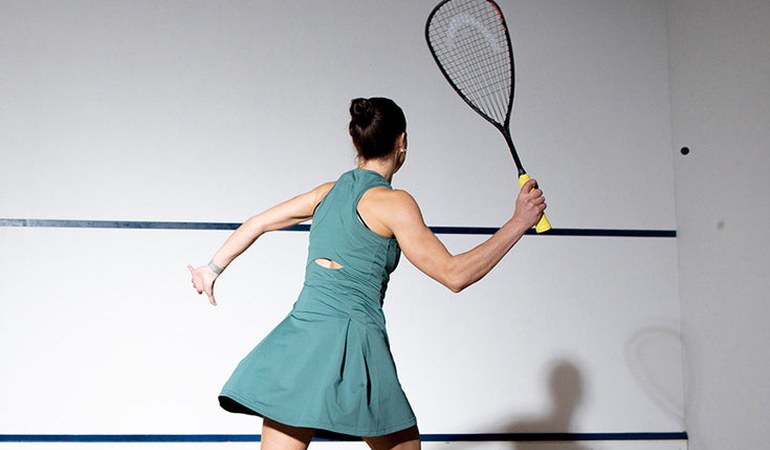
Women's squash attire can include performance dresses or a combination of top and skirt/shorts. A sleeveless one-piece dress with an athletic cut allows full movement and often has breathable perforations in the fabric, a good example of how form and function meet in women's squash clothing. Below are the common options.
Tops for Women
For tops, women have the choice of T-shirts, tank tops, or sleeveless shirts, and even collared shirts, though most prefer non-collared for comfort in squash. A good squash top for women will use the same technical fabrics (polyester or poly-blends) with moisture-wicking capabilities. The cut, however, might differ from men's to accommodate body shape and preferences.
Many female players prefer a tank top or racerback style because it provides maximum shoulder mobility and is cooler, with more bare skin for sweat evaporation. Racerback tanks also work well with sports bras, which are a must for support during play.
Look for a top that fits snugly enough to stay in place (you do not want it gaping open when you bend forward) but not so tight that it restricts breathing or movement. If you raise your arms overhead or do a twist, the top should not ride up too far. Most women's squash tops are hip-length and form-fitting around the bust, with some looseness around the midsection for airflow. This design keeps the top from clinging uncomfortably when you sweat a lot.
Some women are comfortable playing in just a sports bra with a tank or vest layered over, which is common. The outer tank can be fairly loose since the sports bra provides coverage and support. If you go this route, ensure the outer layer is also sports fabric; a casual loose cotton tank will get soaked, so try to stick to performance material even for loose cover tanks.
Short-sleeve women's athletic T-shirts are another option, especially if you prefer a bit more coverage on the shoulders. These look similar to men's crewneck tees but often have a slightly more tailored shape for women, tapered at the waist. Ensure the sleeves are not too tight around your upper arm; you should be able to swing without the sleeve digging in. Cap-sleeve designs (very short sleeves) can be a nice compromise between a tank and a tee, giving a bit of shoulder coverage without much restriction.
One consideration unique to women's tops is support and layering. Because you will likely wear a sports bra, some tops have built-in shelf bras. However, for squash, the support of a dedicated high-impact sports bra worn under a top is advisable for most women, given the running and jumping involved. Choose a sports bra made of sweat-wicking material as well, since that layer will also get damp.
Bottoms for Women: Shorts, Skirts, Skorts, and Leggings
Women have flexibility in choosing bottoms for squash; the key is that you feel both secure and free to move. Here are the main options.
Squash Shorts (Women's): these are analogous to men's shorts but often a bit shorter in inseam. Women's athletic shorts for court sports usually have a 3 to 5 inch inseam, though longer ones exist if you prefer more coverage. They often come with built-in briefs or liner shorts for modesty. The fabric should be light and stretchy.
Some women opt for men's or unisex shorts if they want a longer length; for example, a woman wanting a 7 or 9 inch inseam might wear a smaller size of men's shorts, since many women's lines do not go that long. There is no rule against that; it is all about comfort. If going with shorts, ensure the waistband is comfortable (wide elastic is common in women's styles, sometimes with a flat front).
Check that the leg openings are not so wide that they expose everything during lunges, but not so tight that they constrict your thighs. Many women appreciate shorts for their no-fuss practicality, since you can run and stretch without worry. If you choose looser running-style shorts, make sure the inner liner is snug enough or wear compression shorts underneath, so you are covered in all postures.
Skirts/Skorts: a skort (a skirt with integrated shorts) is a very popular choice for female squash players, borrowed from tennis and badminton attire. Skorts offer the look of a skirt with the security of built-in shorts so you can dive or lunge confidently. Squash skorts are typically mid-thigh length, around 12 to 15 inches outseam (length from waistband to hem), though this varies by brand and size.
They are almost always made from stretch fabric, either a stretchy knit or a pleated design, to allow big steps. When trying a skort, do a deep lunge: the skirt portion should not limit your stride; if it is too narrow, look for one with slits or a more A-line cut. Pleated skirts, common in tennis, can also work, since the pleats expand during movement.
Some skorts have stylish touches like contrast trim or small slits on the sides or back for flair and mobility. If you like the aesthetic of a skirt, a skort is the way to go for squash due to the attached shorts. Make sure the inner short is also moisture-wicking and fairly snug to prevent riding up. Skorts come in all colors; white is classic, but black or vibrant colors are popular too. Many women find that a skirt or skort paired with an athletic-material tank top or t-shirt is both functional and stylish.
Dresses: athletic dresses, sometimes labeled tennis dresses, combine a top and bottom in one piece. Some women love them for squash because there is no waistband and they often have very stretchy, light fabric. A squash or tennis dress usually has an A-line shape (a flaring skirt) with built-in shorts or a pair of matching under-shorts. The top part is like a tank.
If you find a one-piece dress that fits your body well, it can be extremely comfortable since you do not have to adjust anything and there are minimal seams. The drawback is finding the right fit; tall players might find dresses too short, or the torso length might not match everyone. But many brands now make athletic dresses in different cuts.
Just ensure the dress is not too restrictive in the hips and that the armholes and neck allow full movement. Halter-style dresses (less common) might impede shoulder movement, so racerback or tank straps are preferable. If you go this route, you will still have all the needed functionality. Top players have worn tennis-style dresses in competition, showing that even at the highest level it is a valid choice.
Leggings/Tights: in colder weather or for additional coverage, women may wear leggings or full-length tights for squash. These should be athletic leggings made of moisture-wicking, elastic fabric. Leggings can work quite well, since they keep your leg muscles warm and there is zero risk of showing skin. Just be aware that full-length leggings can be quite warm once you are in a vigorous match.
Some players opt for 3/4 length capri tights as a compromise for cooling. If you choose leggings, pair them with a regular top or even a skirt over them if you like that look. Make sure the waistband on the leggings is secure (a drawstring is a plus) because you will be moving in all directions and you do not want them sliding down. The material should be thick enough not to be see-through when stretched, and it should dry reasonably fast.
Avoid cotton yoga leggings; stick to performance tights. One caution: very tight leggings can trap heat and sweat against your skin, so you will still get sweaty in them. That is okay if you are comfortable with that sensation and the fabric wicks well. For recreational play, leggings are fine; in professional play, most women opt for shorts or skirts for better cooling, but ultimately it is personal preference.
Additional Women's Attire Tips
- Hair and headbands. If you have long hair, consider a headband or hair tie that will not fall off. A soaking wet ponytail slapping around can be distracting, and headbands or sweatbands can keep sweat out of your eyes. These are accessories, not apparel, but they go hand-in-hand with clothing for many players.
- Modesty and cultural preferences. Some women prefer more coverage, such as longer sleeves or leggings, for personal or cultural reasons. Modern sports brands do make modest athletic wear, like long-sleeve tops or longer skorts. It is absolutely possible to dress modestly yet comfortably for squash; just ensure the fabric is technical. For example, a lightweight long-sleeve training top and looser long pants (perhaps with tights underneath) can work if needed, though most will run hotter. If playing competitively, check rules on attire, but generally squash does not restrict modest sportswear.
- Changing outfits in tournaments. If you play a tournament with multiple matches in a day, have multiple sets of clothes. Women especially might want to change out of drenched attire for hygiene and comfort. Professional women players often change into a fresh outfit between matches, or even between games if one gets completely sweat-soaked.
- Supportive undergarments. As mentioned, a high-impact sports bra is highly recommended. Also, moisture-wicking underwear or shorts reduce discomfort. Avoid plain cotton underwear for the same reason as cotton shirts, since it will stay wet; there are plenty of sports undies available now.
Budget-Friendly vs. Premium Brands and Recommendations
Squash clothing does not have to be expensive; you can find great performance pieces at various price points. Below are some budget-friendly options and premium brands, with examples, so you get a mix of both. Keep in mind that many general athletic apparel brands produce clothes suitable for squash, even if not marketed specifically for it.
Budget-Friendly Options
Decathlon (Artengo): Decathlon's in-house racquet-sport brand Artengo offers very affordable clothing. They have breathable T-shirts, shorts, and skorts, often in roughly the $10 to $30 range. While cheaper, these products are designed for sports use and often get good reviews from beginners and club players for their value. You get moisture-wicking polyester fabric and decent durability for the price. This is a great option if you are just starting or need multiple pieces of gear on a budget.
Big-box retailer brands (for example, Target, Uniqlo): many retail stores have their own sports lines that are cost-effective. For example, Target's All in Motion line makes athletic tees and shorts that are moisture-wicking at modest prices, often around $15 or less. They may not have the fanciest tech, but they do the job for recreational play. Uniqlo is another favorite, producing quality performance wear at moderate prices; its AIRism line is particularly good for hot conditions, being ultra-thin and quick-drying. Basic running shorts or training shorts from these retailers can double as squash shorts well. Just ensure the fit allows your movements.
Mid-tier sports brands (adidas, Nike basic lines): you can often find previous season's tennis or training apparel from big brands at sale prices, which puts them in a budget-friendly category. For instance, last year's Nike Court or adidas Club collection shirts and shorts might be available at a discount sports outlet for under about $25. These offer great fabric tech, like Nike Dri-FIT or adidas AEROREADY, without the latest-season premium. Also, lesser-known brands like HEAD, Wilson, or Prince, known for racquets, have apparel lines that are reasonably priced and designed for racquet sports; they often cost less than Nike or adidas while performing similarly.
Online brands and deals: brands like Halara (popular for affordable dresses), Athleta's sale section, or even Amazon's in-house athletic wear can provide budget gear. Beyond high-end options like Lululemon, stores such as Target and Aerie also carry nice, affordable skirts and dresses, showing you can find suitable squash clothing in everyday stores. The key is to check fabric composition (look for polyester/elastane blends) and read reviews if available, to ensure the item handles sweat well. It is entirely possible to assemble a great squash outfit without spending a lot by mixing these budget-friendly sources.
Premium Options
Lululemon: a well-known premium brand, Lululemon offers high-quality athletic clothing with excellent stretch, comfort, and stylish design, for both women and men. While pricey, their fabrics (such as Everlux and Luxtreme) are very breathable, soft, and durable. Women will find skirts, skorts, and dresses here that are squat-proof and sweat-friendly. Many female squash players favor Lululemon pieces for their fit and feel, despite the cost. Men can also find good shorts (for example, the Pace Breaker or T.H.E. Short) and lightweight tops that work for squash. If budget allows, one or two Lululemon items can become long-term staples in your squash wardrobe due to their longevity and comfort.
Nike and adidas premium lines: within the big brands, there are higher-end lines or signature collections (sometimes labeled "Pro" or specific athlete lines) that cost more. For example, Nike's Court line is tailored for tennis and works for squash; their premium polos use high-end fabric and laser-cut ventilation, but you will pay more, often $50 or more for a shirt. adidas has HEAT.RDY tennis gear that is ultra-breathable and light, often in bold designs. These premium pieces are what pros might wear at major tournaments and are well suited to squash. They often feature the newest fabric tech and more refined cuts. The difference is incremental; you pay for minor improvements and style, but they are top quality.
Squash-specific brands: several brands focus on squash and racket sports specifically. Salming, a Swedish brand best known for squash shoes, also produces apparel like shorts and tees that are durable and quick-drying, often priced in the mid to high range. Harrow is another squash gear brand that also offers some clothing. Eye Rackets and Tecnifibre, which sponsor some pro players, release limited apparel lines as well; these tend to be premium priced due to smaller production runs and a focus on serious players. Buying from these brands can show your squash passion and often yields quality comparable to general sports brands.
High-end tennis and active brands: there are boutique tennis apparel brands (for example, EleVen by Venus Williams, Sweaty Betty, K-Swiss apparel) that, while made for tennis, cross over well to squash. They come with stylish designs and performance fabric, at a premium. Similarly, Under Armour offers some high-end training gear; its ISO-Chill shirts or Rush HeatGear lines, for example, have special cooling or mineral-infused fabric, with prices on the higher side. ASICS and Yonex also have quality apparel favored in badminton and squash circles; they might not be as fashion-forward, but they are engineered for performance.
When considering premium versus budget, remember that price does not always equal performance. Often you pay more for brand name and style. A $15 polyester shirt can function nearly as well as a $60 one in terms of sweat-wicking; the differences may be in fit, slight weight differences, or longevity.
If you play daily or compete often, investing in a few premium pieces that reliably withstand abuse might be worth it. If you are an occasional player, mid-range gear is usually sufficient. Many players mix and match: maybe splurge on premium shorts you really like, since a good pair of shorts can drastically improve comfort, but save on shirts, since you might need many of them. Or invest in a high-end skirt that fits just right, but use budget tops with it.
Read player reviews or ask fellow players for brand recommendations. Some brands have cuts that suit certain body types better. For example, one person's favorite might be a particular Nike top due to its cut, while another swears by the fit of a certain Lululemon skirt. In the squash community, you might hear that Lululemon and similar brands are popular for women, or that Uniqlo and Under Armour are go-to choices for men who sweat a lot. Use those insights to guide you, but ultimately prioritize the features that matter (fabric, fit, function) for you.
Competitive vs. Recreational Play Considerations
It is worth noting a few differences in how you might approach clothing depending on whether you are playing recreationally or in competitive settings.
Recreational play: if you are playing casually or just starting out, you might be able to get by with general workout clothes; the important thing is that you are comfortable and can move freely. You might even wear an old cotton t-shirt and mesh shorts from the gym. Just be prepared that you will likely drench them in sweat during a tough squash session.
As you play more, you will appreciate performance fabrics more. For a casual weekly game, one set of quality squash outfit (shirt and shorts or skort) is probably enough, and you can supplement with any athletic clothes you already have. Recreational players tend to focus on comfort and may not worry about matching outfits or sponsor logos. Cost can be kept low by using budget options. Just ensure whatever you wear does not become a distraction, such as shorts falling down or a shirt that is soaked and clingy.
Competitive play: in competitive or tournament play, the demands are higher. You might play multiple matches in a day, so having multiple changes of clothing becomes important; you do not want to put on a cold, wet shirt for your next match. Tournament players often carry extra shirts, socks, and even spare shorts or skirts.
Clothing choice can also have a psychological aspect in competition: wearing an outfit you feel fast and confident in can give a mental edge. At this level, the moisture-wicking and quick-dry features are crucial, as matches can be long and physically grueling. It is common to see competitive players towel off and change shirts between games; some guidance even suggests bringing a few extra t-shirts for long competitions so you are always dry.
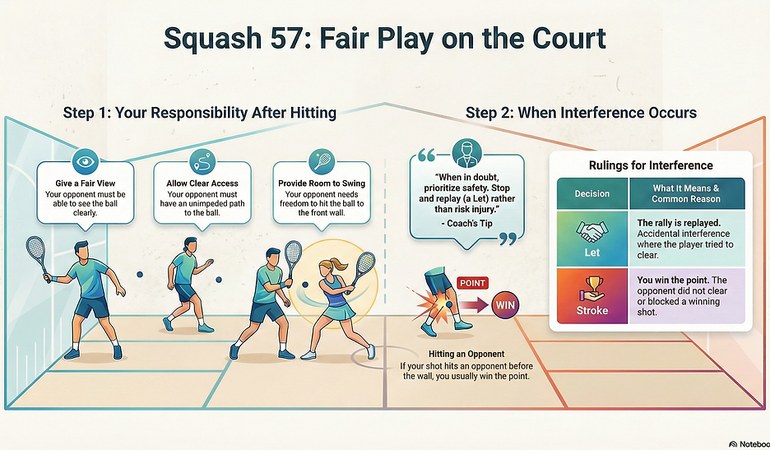
Competitive players also might favor slightly tighter-fitting gear (nothing baggy that an opponent could claim a let for interference, for instance). They will certainly avoid cotton, as even a slight performance drag or discomfort from a heavy shirt can make a difference in tight matches. In team competitions, you may need to wear a team uniform (matching shirts with your teammates, often with a club or country logo), so make sure you have those pieces if required. Another aspect in high-level play is logo placement; if you have sponsors, there may be regulations on logo size or number on clothing per tournament rules. This mostly applies to professional players, so check the rules if you are playing pro or high amateur events, but for most players it will not be an issue.
Practical differences: recreational players can afford to prioritize price and comfort, and may wear slightly heavier but more durable gear, since style or marginal gains in fabric tech are not critical. Competitive players prioritize performance and convenience: quick drying, easy to change, and gear that gives maximal mobility.
For example, a recreational player might not mind a poly/cotton blend shirt for comfort, whereas a competitor will likely insist on 100% poly or similar to avoid any water retention. Some players find that fancy sports shirts are not much better for them and actually prefer a light poly-cotton blend tee for comfort, even though it gets wet; this shows that personal comfort can trump marketing, especially in casual play. But most competitive athletes lean towards the technically superior fabrics for an edge.
Environmental adaptability: if you are playing casually, you might not think about the court conditions as much. In competition, you will account for court temperature and humidity. For example, if a venue is notoriously warm, you might wear the coolest outfit you have. If the venue has air conditioning that makes courts cooler, some players might even start a match in a light long-sleeve and then switch to short-sleeve once fully warmed up. Being prepared with different apparel options is a competitive advantage.
In short, both recreational and competitive players should aim for moisture-wicking, comfortable, and non-restrictive clothing, but the level of investment and preparedness will differ. Recreational players can be a bit more relaxed in their choices, while competitive players will fine-tune their apparel to optimize performance and adhere to any event requirements. Either way, the core principles of fabric, fit, durability, and design remain the foundation of choosing great squash clothing.
Conclusion
The best squash clothing for you will be pieces that keep you cool, dry, and free to move, allowing you to focus on your game rather than your outfit. By paying attention to fabric (moisture-wicking synthetics over sweat-holding cotton), ensuring a proper athletic fit, and choosing designs suited to squash's movements, you can significantly improve your comfort on court.
Men's and women's options may differ in style, but both should meet the same functional needs. You do not need to spend a fortune, since there are excellent budget-friendly options that perform well, but investing in a few high-quality items can be worthwhile if you play often. Mix and match to find what works best for your body and playing style.
Whether you are diving into competitive tournaments or just enjoying weekend hits with friends, the right apparel makes a difference. It can keep you from slipping in a puddle of your own sweat, prevent chafing and overheating, and boost your confidence knowing you are ready to play. Gear up with some breathable shirts, stretchy shorts or skirts, and head onto the squash court with one less worry on your mind. With these tips and recommendations, you will be well dressed for every rally.