
A step-by-step guide to running an amateur squash tournament of 20-30 players, from planning through wrap-up.
1. Planning and Logistics
Venue Selection
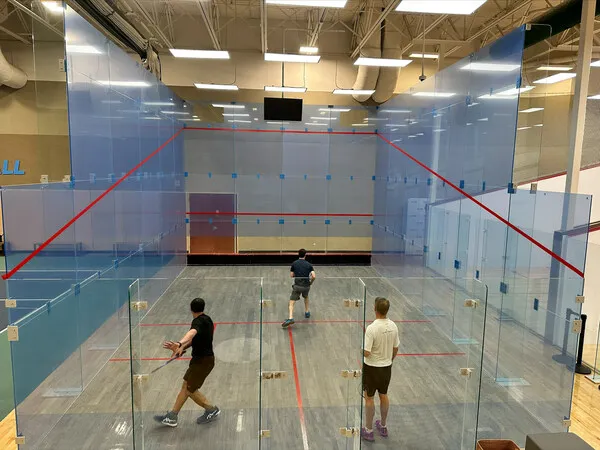
Choose a facility with enough courts to run matches at once: plan on about one court per 14-16 players. Roughly, 20 players fit on 2 courts in a single day, while 30 players need 3 courts or a two-day schedule. Check amenities (locker rooms, water, spectator seating) and reserve the venue well in advance.
Date and Time
Pick a date clear of major holidays and competing local events; weekends maximize availability. Book court times with a buffer before and after for setup and cleanup. For one day, keep the schedule realistic; for two days, set convenient start and end times (for example Saturday morning to Sunday afternoon).
Budgeting
Budget for venue fees, equipment (balls, score sheets), refreshments, and prizes, funded by entry fees or sponsors.
- Entry fee: $25 to $50 per player is typical for local amateur events.
- Contingency: allow for unexpected costs.
- Sponsorships: approach local sports shops or businesses for funds or prizes.
- Insurance or waivers: confirm the venue's liability cover extends to your event, or have players sign a waiver.
- First aid: keep a basic kit on hand.
Equipment and Supplies
Balls: stock new double-yellow dot balls (standard for adult play) and use a fresh ball on each court every 2-3 hours, since bounce fades with extended play. Keep spares.
Score sheets and brackets: print match score sheets and a draw chart (templates exist for 8, 16, or 32-player brackets). For round-robins, prepare tables to record wins and scores, and post a large draw at the venue.
Other supplies: pens and markers, tape or pins for hanging draws, a clipboard, a stopwatch, and a microphone if you want announcements. Ensure drinking water and a few spare towels are available.
Sort out parking and access ahead of time, noting any fees or entry requirements for participants. For out-of-town players, a short list of nearby hotels and eateries helps.
2. Tournament Format
The format affects scheduling, fairness, and how many matches each player gets. With 20-30 players, consider these options.
Single-Elimination Bracket
Knockout format: one loss eliminates a player. Simple and fast. Size the bracket to a power of two (8, 16, 32), adding byes for the top seeds if the field is short. Seed the top 4-8 players (by club ladder or ranking) into separate sections and place the rest randomly, so strong players do not meet early.
- Upside: easy to schedule and explain.
- Downside: first-round losers play only one match.
Consolation (Plate) Bracket
Add a consolation (plate) draw so first-match losers keep playing for a consolation prize, guaranteeing everyone at least two matches. With time, run multiple plates (for example a Plate for first-round losers and a Classic Plate for second-round losers).
- Upside: more court time for all.
- Downside: extra matches and courts to schedule.
Round-Robin Pools
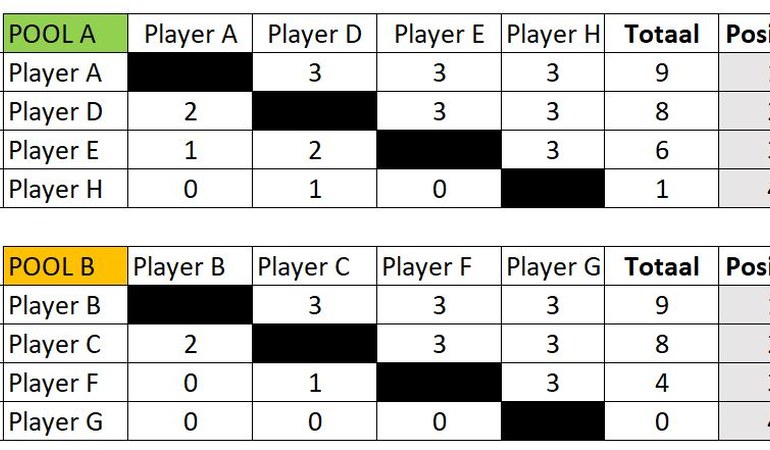
Split players into pools of 4-5 who all play each other, then send the top finishers to a knockout playoff. For example, 20 players form four pools of five (4 matches each); pool winners, and possibly runners-up, advance to the playoffs.
- Upside: plenty of play and a fair measure of skill.
- Downside: many matches, so time-consuming; keep pool matches short (best-of-3) if needed.
Swiss System or Monrad Draw
A Swiss system pairs players with similar win-loss records over a set number of rounds (for example 4-5); no one is eliminated, and standings reflect performance. A Monrad draw (feed-in or waterfall) is a pre-set bracket that keeps opponents' records similar each round and ranks every player. Both guarantee three or more matches per player but are harder to run by hand, so use software or a template.
- Upside: everyone stays engaged and every match counts toward placement.
- Downside: trickier scheduling, since pairings depend on prior results (especially Swiss).
Format comparison
| Format | Matches per player | Main upside | Main downside |
|---|---|---|---|
| Single-elimination | At least one | Easy to schedule and explain | Early losers play only once |
| Consolation (plate) | At least two | More court time for all | Extra matches and courts |
| Round-robin pools | Several (4 per pool of five) | Fair, plenty of play | Time-consuming, many matches |
| Swiss or Monrad | Three or more | Everyone stays engaged | Trickier scheduling |
Match Format (Scoring)
Standard scoring is best-of-5 games to 11, point-a-rally (PAR); at 10-10 play continues until a player leads by 2. To fit many matches in a day, best-of-3 games to 11 shortens matches. Apply one format uniformly, and brief players on the win-by-2 rule and the warm-up (a maximum of 4 minutes, changing sides after 2).
Scheduling considerations
Total the matches and check they fit your court hours. A 24-player single-elimination draw has 23 matches; adding a consolation pushes it to roughly 30-40. A round-robin pool of 5 has 10 matches. Multiply the match count by the average match length; if it overruns, reduce matches or switch to best-of-3. Better a shorter format than unplayed finals.
3. Registration Process
Sign-Up Announcement
Once date, venue, and format are set, open registration and promote it (see Promotion). State the dates, location, entry fee, who can play, and the registration deadline.
Registration Method
Collect entries with a simple online form (for example Google Forms or an event tool): name, email, phone, and skill level or club for seeding. Include payment instructions, whether an online link, a transfer, or cash on site.
Collecting Fees
Online payment (PayPal, Venmo, or event software) secures commitment and cuts no-shows. For cash on the day, require check-in and payment before the first match, and keep a cash box and tracking sheet. Issue confirmations and set a refund policy for withdrawals or cancellation.
Confirmation and Communication
After the deadline, email participants the final dates and times, venue address, and what to bring (photo ID for entry, their own gear). If the draws are ready, include each player's first match time and a recommended arrival, for example check in at least 30 minutes before your first match. Restate the scoring format and refereeing expectations, and attach any waiver.
Registration Deadline and Caps
Set the deadline at least 1-2 weeks before the event to allow time to draw and schedule. If court time limits the field, cap it (for example the first 24 registrants) and waitlist the rest. Do not accept entries after the draw is made.
Organizing Entries
Compile the entry list, verify contact details, and note any scheduling requests (you are not obliged to honor them). Use stated skill levels to seed or balance the draw.
4. Scheduling and Match Coordination
Drawing the Bracket or Groups
After registration closes, build the draw with seeds distributed across the bracket. Free generators such as Challonge or BracketCloud, or printable templates, automate it; the US Squash site offers blank draw templates for 8, 16, and 32 players. For round-robin pools or Swiss formats, use a scheduler (for example Playpass), since those are hard to pair by hand.
Match Times and Court Assignments
Estimate match lengths (best-of-5 runs 20 to 40 minutes, best-of-3 about 15-25) and build a timetable. Allot about 30 minutes for early-round matches and 40-plus minutes for later rounds. For example, with 3 courts from 9:00 AM, start Round 1 at 9:00, 9:30, 10:00, and so on. Give each player at least 2 hours, ideally about 3, between matches: a 9:00 player should not be back on before about 12:00. Publish the schedule in advance and post a whiteboard of upcoming matches by court and time.
Coordination During the Event
Assign one person as match coordinator (the control desk) to call players, assign courts, hand out score sheets, and record results. Work through the rounds in order but stay flexible: if one match runs long, start another on a free court. Track results on signed paper score sheets or a live bracket, and have the coordinator enter scores to avoid errors.
Avoiding Conflicts and Delays
Watch for back-to-back matches, or a player entered in two divisions; alternate division times so one does not stall the other. Schedule a 30-minute lunch break around midday. Keep a backup plan: if you fall behind, shorten later matches (best-of-3, or a single game for late consolation rounds); for a last-minute withdrawal, give a walkover or bring in a standby. Communicate any changes clearly.
5. Rules and Officiating
Standard Squash Rules
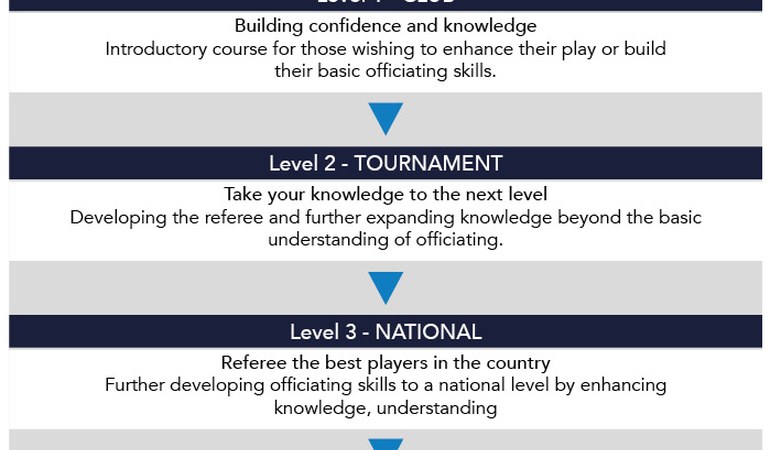
Run all matches under World Squash Federation rules. Remind players of the scoring (PAR to 11, win by 2), the let and stroke (interference) rules, the warm-up (a maximum of 4 minutes, changing sides after 2), and how to handle an out-of-court or broken ball. A printed rule sheet or a short briefing helps. Stress safety: call a let whenever there is any risk of hitting an opponent with the racket or ball.
Refereeing Assignments
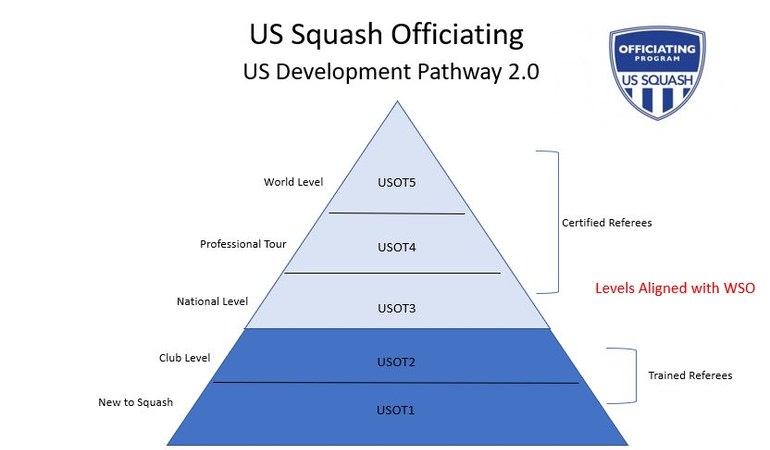
At amateur events players usually referee each other, commonly the losers of one match officiating the next. Match referees to the players' level, and recruit non-playing volunteers where possible. A single referee calling both the score and let and stroke decisions is simplest (higher-level play adds a marker). Give each referee a score sheet and a pencil.
Handling Disputes
Set a simple policy for unresolved calls when there is no referee: replay the point, or fetch the organizer for a ruling. Keep one knowledgeable non-player available at all times as the final word, and encourage sportsmanship and respect for the referee's calls.
Educating Players
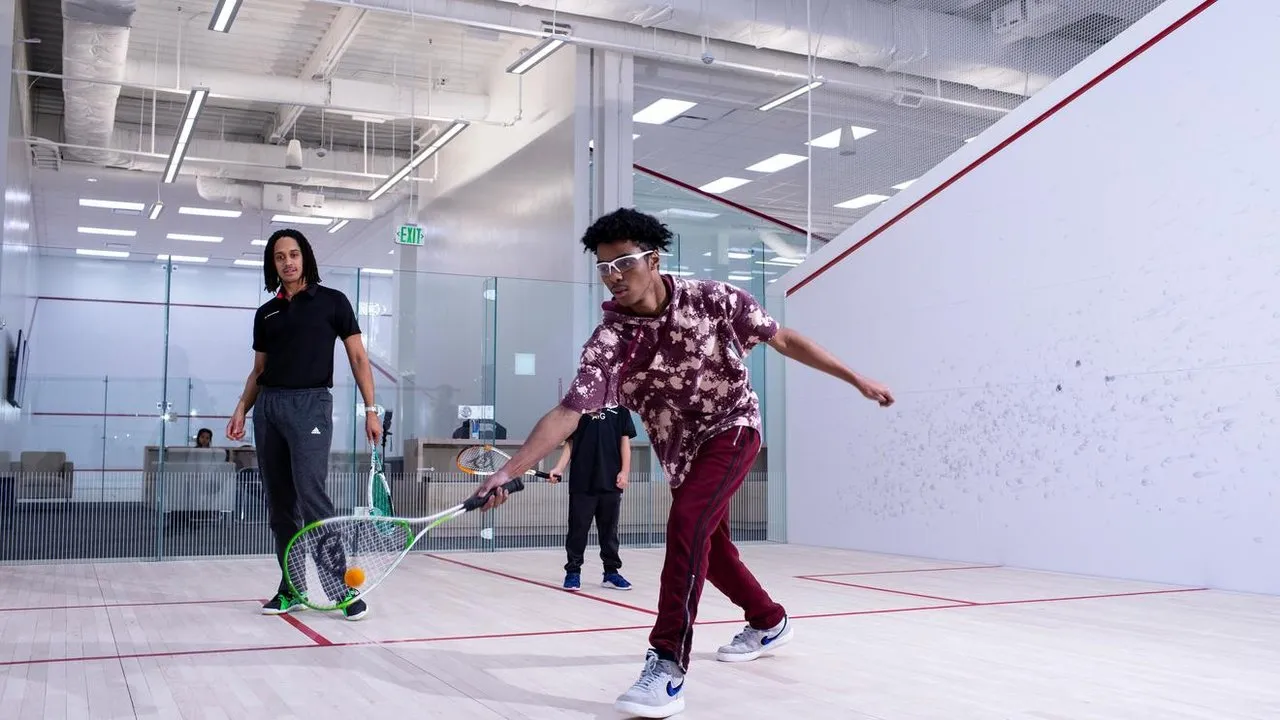
For players new to tournaments, send a rules reminder or hold a short meeting before play: how to call the score (the server's score first), when to call a let, and what counts as a stroke. Link the official WSF rules for those who want detail. Keep rules identical across matches unless a difference is planned, such as shorter consolation matches.
6. Promotion and Communication
Promoting the Tournament
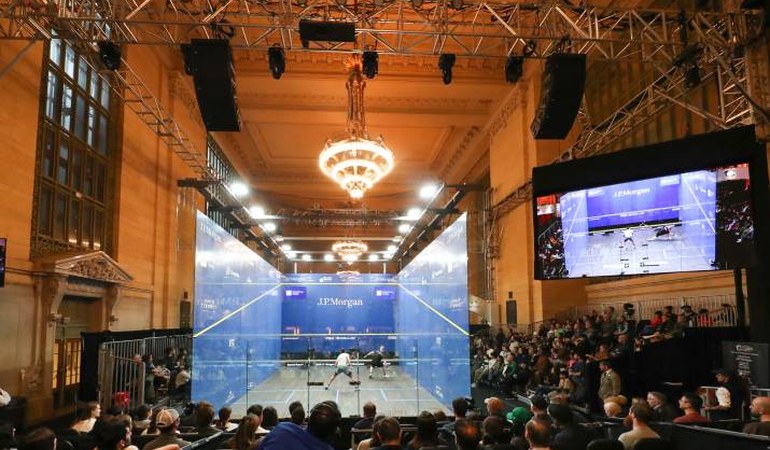
To attract 20-30 players, use several channels:
- Local clubs: posters and flyers on bulletin boards, with coaches spreading the word.
- Social media: a Facebook event and posts in local sports or squash groups.
- Inclusive messaging: stress that it is amateur-friendly and open to all levels.
- Local media: a short notice to a community newspaper, sports website, or radio.
- Word of mouth: ask registrants to invite a friend or training partner.
Include the date, location, how to register, the entry fee, and a contact in all materials.
Communication with Participants
- On registration: send a confirmation so the player knows they are entered.
- Pre-event (a week and a few days out): email the schedule, what to bring (photo ID, racket and gear, water bottle), directions and parking, and any sponsors or prizes.
- Draw release: publish the schedule, or at least first match times, about 48 hours before, and state a check-in time (usually 15-30 minutes before the first match).
- During: run an information desk with the posted draws, make clear announcements, and consider a WhatsApp or Telegram group for updates, for example: Round 2 starts at 1:30 PM, please be near the courts.
- After: email a thank-you with the winners, results, a photo or link, and a short feedback survey, and invite players to the next event.
7. Day-of Execution
Venue Setup
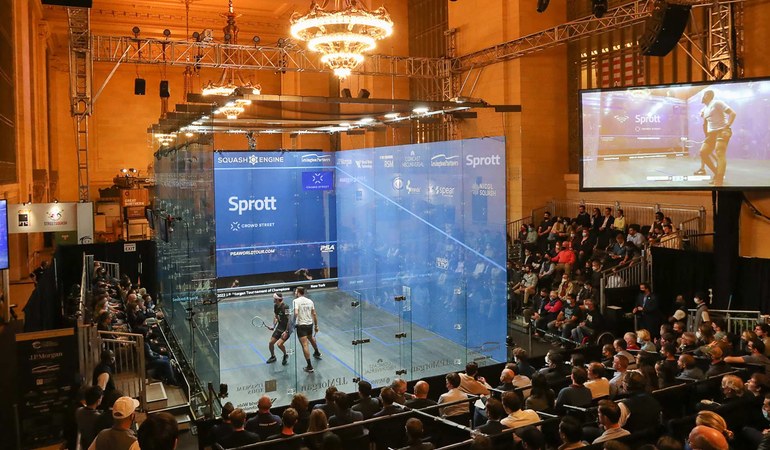
Arrive at least an hour before the first match. Set up a check-in table with bracket sheets, schedules, and pens, and post the draws where players can see them. Add signage to the courts and restrooms, check the courts for hazards and scoreboards, and place water and a trash bin in a common area. Snacks such as bananas or energy bars are a nice touch if the budget allows.
Player Check-In
As players arrive, check them in, collect any outstanding fees, and have waivers signed. Hand out any tournament gifts, tell each player their first match time and court, and restate the format and key rules (for example best-of-5 to 11, PAR, and please referee the next match). Ask players to warm up and be ready when called.
Managing the Schedule
Keep a close eye on time and court usage. Announce upcoming matches a few minutes ahead and have the next players warming up as a court frees up. Mark off completed matches and record scores immediately. If a player is missing, give a courtesy call but do not stall the event: set a 10-minute grace period, then treat it as a walkover. Ask players to stay near the courts and to tell the desk if they step out.
Refereeing and Match Control
Ensure every match has a referee with a score sheet, and check that any player-referees know the procedure. Keep the organizer or an appointed tournament referee available for protested calls, and walk the courts to monitor play.
Maintaining Flow and Fair Play
Update the posted draws as results come in, honor promised rest times (for example quarterfinals at 2:00 PM), and discourage stalling. For injuries, follow the squash injury-timeout limits:
- Up to 15 minutes for an injury caused by the opponent.
- Up to 3 minutes for a self-inflicted injury.
- Up to 5 minutes to stop bleeding from a blood injury.
If a player cannot continue, retire the match and advance the opponent. A brief welcome before play sets a friendly, fair tone.
Final Matches and Awards
As finals approach, gather any prizes or trophies near the court, announce the finalists, and have an experienced volunteer referee the final. Afterward, congratulate both players and move to the awards.
8. Prizes and Wrap-Up
Awards Ceremony
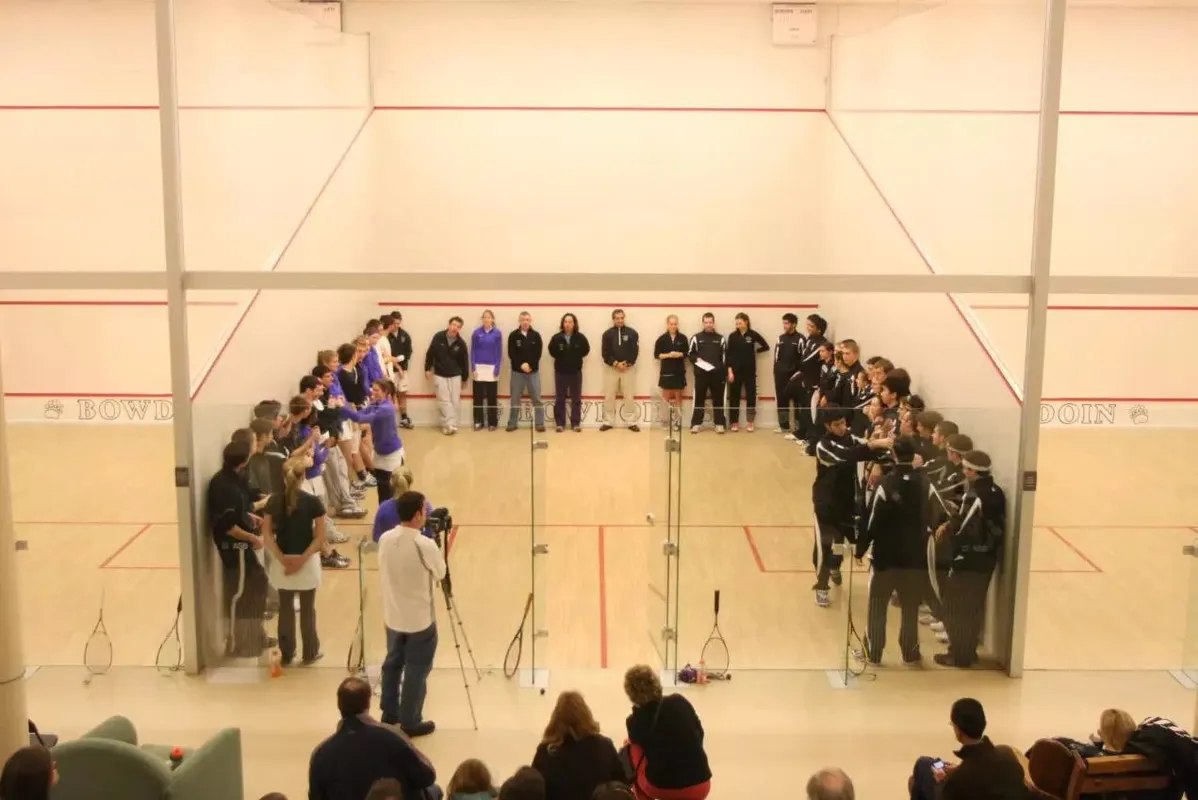
Gather players and spectators after the final for a short presentation. Award the champion and runner-up, plus third place or the consolation winner. Typical prizes are trophies, medals, or plaques; optional extras include a sportsmanship or most-improved award. Hand out any sponsor gifts (gift certificates, squash gear, or balls) and thank the sponsors. Cash prizes are uncommon in amateur events. For club tournaments with a perpetual trophy, engrave the winner's name later; a kept trophy, medal, or framed certificate works on a tight budget.
Thank-You Messages
Publicly thank the volunteers, referees, and venue staff. Then clean up the venue: clear belongings and trash, return any borrowed equipment, and settle outstanding bills.
Post-Tournament Follow-Up
Within a day or two, email all participants to:
- Thank everyone and congratulate the winners by name, with the final standings or a photo of the completed draw.
- Share a link to event photos.
- Ask for feedback, ideally via a short survey (for example Google Forms).
- Mention future plans, such as a recurring event or the weekly club night.
Recognitions and Reflections
Share the results on social media or the club newsletter, tagging the venue and any sponsors. Note internally what went well and what to improve (scheduling, court count, snacks) to make the next tournament smoother.