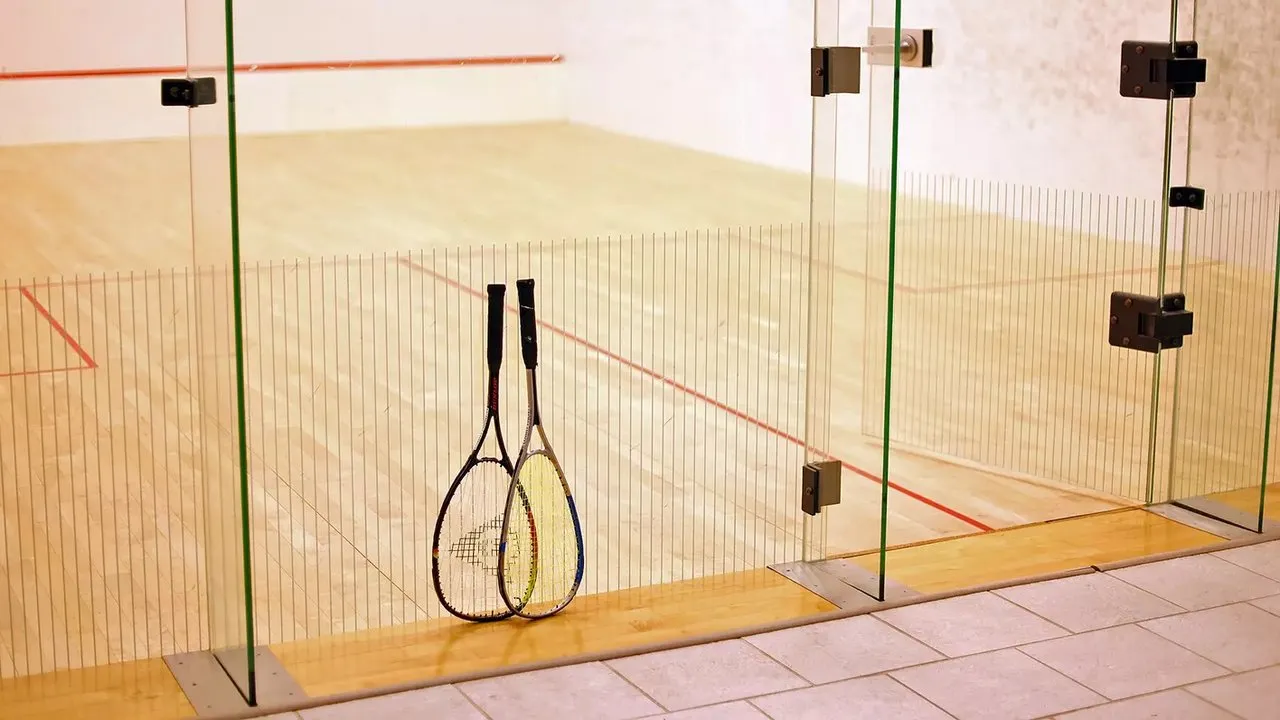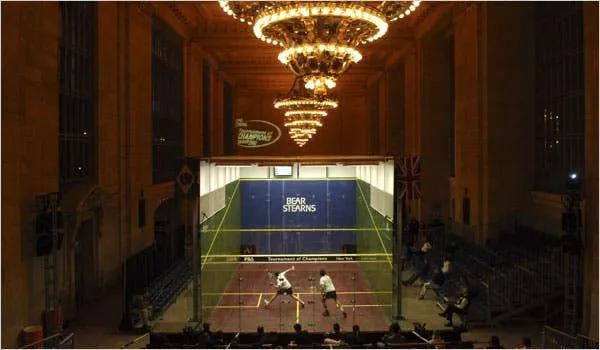

Proper maintenance keeps a squash court safe, gives consistent ball bounce, and extends the facility's life. Courts usually have hardwood flooring (often beech or maple) for shock absorption, but wood needs regular care and climate control. This article covers maintenance for wood-floor courts, from daily routines to major repairs.
Daily Maintenance Practices
Daily care stops dirt and minor issues from building up.
Floor sweeping and cleaning
Sweep or dry-mop the whole floor daily with a soft-bristle broom or microfiber dust mop (a coarse broom can scratch the finish), and keep the mop clean so it keeps picking up particles. Deal with sweat or spills promptly with a well-wrung damp mop, and never let water or sweat sit, since moisture can warp the wood or create slippery spots. Do not oversaturate; standing water is a sprung wooden floor's biggest enemy.
Humidity control
Wood reacts to humidity and temperature. Keep the court within about 40 to 55% relative humidity and a moderate temperature. Too much humidity swells or warps boards; air that is too dry causes shrinkage or cracks. Use a hygrometer and run the HVAC, a dehumidifier, or a humidifier to hold conditions steady.
Safety checks
As part of opening or closing, check that:
- All lighting works, with no burnt-out bulbs casting shadows.
- The floor has no wet spots or debris.
- The court door and any glass components are secure.
- No objects are left out and no floorboards are sticking up.
Player etiquette and cleanliness
A doormat at the entrance with a request to wipe soles cuts dust and grit. Enforce a non-marking indoor-shoe policy, since street shoes track dirt and leave scuff marks, and keep a towel or mop courtside for sweat.
Weekly and Monthly Maintenance Tasks
Deeper cleaning and inspections catch buildup and early wear that daily sweeping misses.
Weekly cleaning routine
At least weekly, damp-mop with a well-wrung mop and a pH-neutral wood floor cleaner to lift dirt and sweat film, avoiding excess water. Wipe the walls, especially the front wall, with a soft damp cloth to remove ball marks or chalky residue, and clean any glass for visibility.
Dust control and ventilation
Weekly, dust ledges, door frames, and fixtures, and vacuum or wipe ventilation grilles so dust does not fall onto the court. Check the HVAC and clean or replace air filters on a regular schedule, often monthly or quarterly.
Lighting and hardware checks
Weekly, replace dim or burnt-out bulbs to keep illumination even, since shadows make the fast-moving ball hard to see. Listen for floorboard creaks or panel vibrations that signal a loose screw. Monthly, check the door hinges, latch, and screws on removable panels or the tin (the metal strip at the base of the front wall), and tighten loose bolts. Glass-wall hardware gets a full service annually, but check monthly for obvious looseness.
Surface inspection
Monthly, inspect the surfaces. Look for cracks, chips, or thinning finish, especially in high-traffic areas like the service boxes and back corners (plan a refinish if the finish there is dull). Check for uneven or loose boards. On plaster walls, note cracks, flaking, or pitting; on panel walls, note damage or heavy ball marks. Confirm all court lines and markings are intact and visible, noting any for repainting. A simple checklist keeps each inspection consistent.
Seasonal or Annual Care
Some tasks are needed only seasonally or yearly, usually during a slow season or annual shutdown.
Floor refinishing (resurfacing)
A wooden floor needs refinishing every 5 to 10 years depending on use (busy courts sooner, lightly used courts later), as play wears down the finish and reduces traction and bounce. Refinishing means sanding and applying new sealant; a common approach is to lightly screen off the worn top layer and apply a fresh matte, slip-resistant squash-court seal. Hire professionals, since even sanding and coating need the right equipment and skill. Each full sanding thins the wood, so a solid floor should generally be sanded no more than about three times in its life; in some years a light screen and re-coat is enough. A refinished floor should still meet World Squash Federation court specifications.
Repainting lines and wall maintenance
After refinishing, repaint or re-tape the floor game lines (service box outlines) and the wall out-of-court and service lines to official dimensions and regulation width, using paint compatible with the floor finish and wall surface. Traditional plaster walls need periodic touch-ups or re-plastering of worn or pockmarked spots, patched and repainted with proper squash court wall paint (water- or solvent-based). Modern proprietary plaster systems such as Armourcoat and Rebound are generally not painted, so follow the installer's advice. Panel or system walls usually need only a yearly clean to remove ball marks, with repainting only where panels allow. Repair the tin if it is damaged.
Deep cleaning
Schedule a deep clean a few times a year, for example a quarterly clean with a rotary floor machine, a gentle pad, and an appropriate solution. Manufacturer guidance often suggests scrubbing the floor three to four times a year, and more often in winter when dirt and salt are tracked in. Wash walls with a mild detergent (use minimal water on plaster), and allow good ventilation and drying time.
Climate control servicing
At least yearly, have a professional service the HVAC: clean or replace filters, check dehumidifiers and humidifiers, and calibrate the thermostat and ventilation to hold the target humidity year-round. Recheck humidity controls at seasonal transitions, running dehumidifiers more in damp seasons and adding a little humidity in very dry conditions so the wood does not over-dry and shrink.
Glass wall and fixture servicing
For glass back walls or doors, arrange an annual safety check. Bolts and fittings loosen from vibration and use, so all bolts should be checked and tightened at least once a year, or the glass wall's structural integrity can be compromised. Professionals also check for hairline cracks and that the hinges, closer, and latch work. Consider an annual lighting inspection too, cleaning fixtures or lenses and assessing whether an LED upgrade is worthwhile.
Common Issues and How to Address Them
Even with diligent maintenance, courts develop issues. Common problems and fixes:
Loose or broken floorboards
Play and humidity changes can loosen or crack boards, giving movement, squeaks, or protruding edges (a safety hazard). A slightly loose but intact board can be re-secured by tightening the fastener (many modern floors use hidden screws or clips reached by removing adjacent boards); a cracked board needs professional replacement, and the court should be taken out of play until it is fixed. Find the cause, often excessive dryness or a subfloor issue, and keep humidity regulated.
Warping or cupping of the floor
Warping or cupping (edges higher than the center) usually means a moisture imbalance, from spills, high humidity, or moisture reaching the subfloor, causing bad bounces and uneven footing. Stabilize the environment first: fix any leaks and return humidity to the 40 to 55% range. Minor warping may settle as the wood dries; severe warping needs the affected boards, and possibly subfloor, replaced. For a large warped area from a major water incident, get a professional assessment.
Slippery or dull playing surface
A floor can feel slippery or look dull when the finish wears smooth, sweat builds up in the wood, or improper cleaners (oil-based treatments or wax) leave residue. Deep-clean with a proper court cleaner and stop using any oil-based dust-mop treatment; if grip does not return, lightly screen and re-coat with a non-slip matte finish. Never use a high-gloss gym lacquer, which is too slippery for squash. Also check that players wear clean, non-worn shoes.
Floor gaps or cracks
Small gaps between boards appear in very dry weather as wood contracts, and often close again when humidity rises, so monitor them; persistent or toe-catching gaps can be filled with wood filler as a temporary fix, but proper humidity is the real solution. Surface cracks in boards usually need board replacement if they spread or deepen; never fill a long crack with hard epoxy or caulk, since wood movement will make that fix fail.
Wall chips and dents
High-speed balls and racket scrapes chip and pit plaster, especially on the front wall. Patch small dings with a fast-drying plaster compound or squash-court filler: lightly sand around the chip, fill, and sand flush once dry. Extensive pitting or delaminating plaster is handled during annual maintenance by re-plastering or installing wall panels; some clubs cover old plaster with modular panels for easier upkeep. Damaged fibreboard panels may need replacement, while minor scuffs can be sanded or painted, and a fresh coat on a paintable wall restores the ball-to-wall contrast.
Rubber ball marks
Rubber from balls smudges walls and can turn the front wall gray, an aesthetic issue. Scrub marks from plaster or painted panels with a soft pad or sponge and mild detergent. Some makers supply a dedicated remover: Armourcoat's, for example, dilutes around 10 to 1 and is worked over a small area with a cloth. Do not use harsh solvents on plaster. If marks will not come off or the paint is worn, repainting a paintable wall is the definitive fix.
Recurring dead spots
A dead spot (an area of noticeably lower rebound) usually points to a problem in the subfloor or cushioning, such as a void or collapsed cushion. A minor one may be debris under the floor or a slightly loose support, fixable by accessing under-floor panels or adjusting a floating subfloor, but most need professional attention to lift the section and repair or replace the cushion or shim a low spot. Mark the location for a technician; dead spots affect fairness in competitive play.
As a rule, address minor issues promptly before they escalate, and seek professional help for major ones, as described next.
When to Call in Professional Help
In-house staff handle routine cleaning and minor fixes, but some jobs need specialists.
Floor resurfacing and replacement
Full sanding and refinishing need specialized machinery (drum sanders, buffing machines) and skill for an even, safe, grippy finish. When a floor has been sanded several times and is getting thin, professionals can advise on replacement and supply and install proper squash court wood (beech or maple) with a correct subfloor and anchoring.
Subfloor and structural issues
Widespread dead spots, a heaved or sunk section, or chronic moisture from beneath call for a court technician or flooring expert, who may remove planks to work on the support structure or moisture barrier and use moisture meters to diagnose. The court must still meet bounce standards and stay level.
Major wall repairs or refurbishment
Large sections of delaminating plaster or worn-out panels need professional refurbishment. Plastering a squash wall uses a specialist high-density plaster that must be applied and cured correctly to withstand impacts; many clubs re-plaster every few years as needed. Professionals can also retrofit panel systems and accurately re-mark the wall lines.
Glass walls and doors
Do not take risks with glass. If a glass wall or door cracks, or the fittings are damaged or loose beyond a simple tightening, call a specialist or the manufacturer's service team for safe replacement with the correct grade of toughened glass and proper alignment tools. Glass systems are engineered for safety, so non-experts should not attempt major fixes.
Compliance and performance checks
To host official tournaments, consider a periodic professional inspection. Specialists accredited by bodies such as the World Squash Federation check dimensions, line markings, tin height, and lighting, and performance such as ball bounce and surface friction, and can run rebound and friction tests. Clubs preparing for sanctioned events run by the PSA Squash Tour often arrange this in advance.
Persistent or complex problems
If an issue recurs despite your efforts, such as dead spots that keep returning or cracks reappearing soon after patching, consult an expert to find the underlying cause (a hidden leak, structural movement, or incompatible materials) and a lasting fix. Most reputable contractors offer consultation, and early advice stops small problems becoming costly failures.
Know your limits: staff can handle cleaning and minor upkeep, but resurfacing, structural fixes, glass installation, and regulatory checks are best given to professionals, whose work often comes with warranties.
Best Practices and Equipment for Ongoing Care
Consistent practices and the right equipment make maintenance easier.
Use proper cleaning equipment
Use a quality dust mop or sweeper made for sports floors (a wide microfiber or electrostatic mop traps particles) with soft, non-abrasive fibers. Avoid oil-treated mops, which leave a slippery film. For wet cleaning, use a well-wrung flat or string mop with a neutral-pH wood floor cleaner. Keep a dedicated mop and bucket for the court, and wash or replace mop heads regularly.
Gentle, appropriate cleaners
Do not use household cleaners, abrasives, or bleach, which damage finishes and surfaces. Use products recommended by your floor installer or a mild sports-specific detergent (a little mild dish soap works for spot-cleaning in a pinch). Never wax a squash floor or apply a silicone-based polish; squash floors are deliberately matte and slightly absorbent for traction and true ball bounce.
Maintain the right environment
Make climate control central: keep relative humidity around 40 to 55% and temperature moderate, generally 16 to 20°C (about 60 to 68°F) when unoccupied, a little warmer during play. Fit a hygrometer, and use portable dehumidifiers in humid months or a humidifier in the heating season. Run fans or HVAC to circulate air, especially after cleaning, so sweat and moisture evaporate.
Entrance mats and clean shoes
Place a quality walk-off mat at the doorway (and ideally another in the corridor) and vacuum or shake them out often. Require non-marking indoor squash shoes, with signage or a check-in reminder, to cut abrasion and reduce how often you need to clean.
Regular inspection routine
Inspect often, not only at monthly inspections, and encourage staff and players to report soft spots or flickering lights. Keep a maintenance log of issues and actions to track recurring problems and repair lifespans, and use a daily, weekly, and monthly checklist for consistency across staff.
Minor repair kits
Keep basic supplies on hand:
- Squash court wall filler or patch plaster for quick touch-ups.
- A small amount of court line paint for tiny fixes or scuff cover-ups.
- Spare bulbs or LED tubes in the correct specification.
Also keep common tools: a screwdriver set, an adjustable wrench, a flashlight, a putty knife, and a ladder, so small issues can be dealt with straight away.
Best practices for staff
Train whoever cleans or repairs the court: cleaning staff should not flood the floor, and maintenance staff should know how to test a loose board safely. Brief training or printed guidelines help, explaining the reasons (for example, ammonia cleaner strips the finish and leaves the floor slippery).
Professional support and resources
Keep a relationship with a professional maintenance provider or the court manufacturer for product advice and unusual problems. An annual service contract can be cost-effective, covering yearly sanding, line and wall painting, and on-call repairs.
Conclusion
Maintaining a hardwood squash court takes a layered approach: daily cleaning and checks, regular weekly and monthly upkeep, and periodic major repairs. Sweep daily, control humidity, refinish on a sensible cycle, and promptly fix loose boards or wall chips. The key is consistency and attention to detail, with timely professional help for big tasks, to keep the court safe, durable, and enjoyable while protecting your investment.
Related on SquashChamps
- How to Build a Squash Court at Home
- Notable Outdoor Squash Courts Around the World
- Top National Squash Centers Around the Globe
- Squash Court Reservation Software: A Quick Guide
- Browse top squash clubs worldwide