Introduction

Squash bags have changed a great deal since the sport's popularity surged in the 1970s. Over the decades they have gone from simple carry-alls to well-organised gear carriers.

That shift reflects changes in materials, manufacturing, and the growing needs of players. Functionality, ergonomics, durability, and capacity have all improved, while style and cultural trends have left their mark on design.

This article looks at how squash bags progressed from the 1970s to today, examining design trends, new features, and the influence of player preferences and professional endorsements.

1970s: Leather, Canvas, and Basic Utility
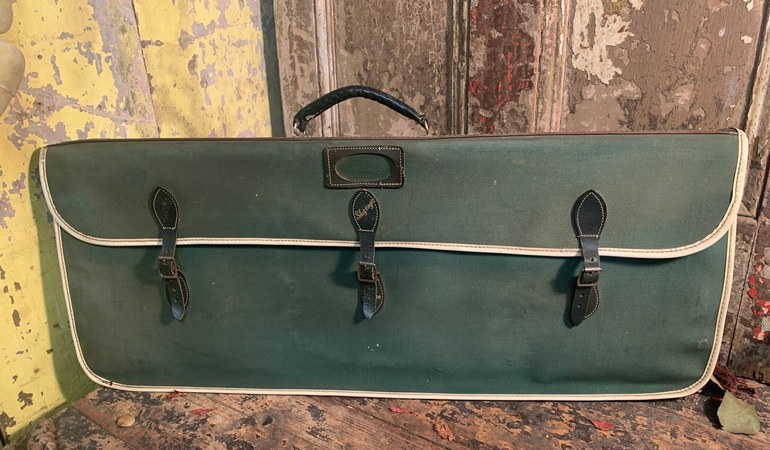
Image coming soon

In the 1970s squash equipment was relatively simple, and so were the bags. Early squash bags, which often doubled as general sports holdalls, were typically made of heavy canvas or leather and could carry one or two rackets along with a few personal items.

These bags had a very basic design, usually a single large compartment and perhaps one small pocket, prioritising practical function over style. Players would often just toss their wooden squash racquets and kit together in the same bag.

One problem of the era was that wooden squash racquets were prone to warping from moisture and pressure. Many players used wooden presses to protect their rackets, but most amateurs simply put the racket in the bag along with damp clothing, which led to warping.

This concern helped spur an early change: manufacturers began developing racket bags with features to separate and protect the racquet. Around the late 1970s and into the 1980s, some bags were designed with a lined section for the racquet, in some cases with a reflective foil lining intended to shield the racket from moisture and heat.

In the seventies, though, such features were rare. The typical squash bag of this time was a no-frills affair, essentially a sturdy gym bag with little padding or ergonomic consideration.

Style and culture: Squash in the 1970s was growing in popularity, especially in Britain and parts of the Commonwealth, but the gear had not yet become a fashion statement. Bags were usually plain or carried simple logos.

They were viewed as functional accessories rather than style items, in line with the era's utilitarian approach to sports gear. Professional endorsement of bags was virtually nonexistent then; top players might be known for their racquets, but the bag was simply a means to carry gear.

1980s: Emergence of Specialized Designs

Image coming soon

The 1980s saw squash technology and play styles change quickly, notably with the transition from heavy wooden racquets to lighter metal and graphite frames. As players took up new graphite squash racquets, they began carrying multiple rackets for tournaments, increasing the demand for better bags.

Squash bag design responded by becoming more specialised. Bags grew larger and sturdier to accommodate extra rackets and clothing, and manufacturers offered purpose-built racket bags distinct from generic gym duffels.

Many squash bags now featured multiple compartments, for example a separate section for rackets, fitting two or three racquets, and pockets for balls or personal items. This era also saw wider use of synthetic materials like nylon and vinyl in sports bags, replacing canvas. Nylon offered lighter weight, better weather resistance, and brighter colour options, which suited the evolving design of squash bags.

New features: By the late 1980s some higher-end bags came with padded liners or dividers to cushion and protect rackets from impact, an upgrade from the unpadded interiors of 1970s bags. Shoulder straps became more common, in addition to handles, making bags easier to carry over the shoulder.

The dedicated shoe pocket was just starting to appear; a few designs included a separate end compartment, though ventilation features were still rudimentary or absent at this stage.

Style and cultural influence: The 1980s were bold in fashion, and squash bags were not immune to the era's aesthetic. Bright colours and prominent logos started appearing on bags as brands sought to stand out.

Some companies experimented with high-fashion takes on racket bags. Prince, a major racket brand in both squash and tennis, released a gold-and-black quilted tote-style racket bag that reflected the decade's flashy design trends, though it was closer to a handbag than a practical racket carrier.

Such designs showed that bags were gradually becoming a style statement as well as serving functional needs. Culturally, squash was popular as an executive and club sport in many countries, and carrying a sleek branded bag became a bit of a status symbol at the club.

Player preferences and endorsements: During this time a few leading players began to influence bag trends indirectly. Pakistani squash great Jahangir Khan, who dominated the 1980s, used gear from the brand Unsquashable, having joined the brand in the late 1970s.

The company launched a Jahangir Khan signature racket in the early 1980s, and the brand became closely associated with his success, including his record run of British Open titles.

While bags were not yet marketed under individual player names, top players' loyalty to certain brands, such as Jahangir's with Unsquashable or others with Dunlop and Prince, began the practice of branding bags as professional-quality gear. By the end of the 1980s the squash bag had developed from an afterthought into a purpose-designed piece of equipment, with improving materials and the first hints of style and pro influence.

1990s: Increasing Capacity and Brand Identity

Image coming soon

In the 1990s the needs of squash players kept growing, and bag manufacturers responded. Professional players were now carrying half a dozen rackets or more, multiple pairs of shoes, changes of clothing, and various accessories to tournaments.

Squash bags expanded in size and capacity to suit. It became common to see 6-racket or 9-racket bags, with the naming borrowed from tennis, used by serious squash players. These bags typically had two or three main compartments, for example one or two dedicated racket sections and another for apparel.

Storage capacity increased not just for rackets but for all gear: many 1990s bags included a separate zippered compartment for shoes or wet clothes to keep dirty items apart, plus external pockets for balls, water bottles, and valuables. These compartments improved organisation and convenience, allowing quicker access to gear and better protection for each item.

Materials and durability: By this era durable synthetics such as heavy-duty polyester became standard for squash bags. Manufacturers paid more attention to build quality, with features like reinforced stitching and sturdy zippers to withstand frequent use.

The bags were designed to endure travel and the weight of heavy equipment loads. Some brands added protective piping or rubberised bottoms to reduce wear and water damage when the bag sat on locker room floors.

Ergonomics: The 1990s squash bag also improved in comfort. Heavier loads led to wider, padded shoulder straps to ease the strain on players' shoulders.

Many bags in this period introduced dual carrying options: a pair of shoulder straps that could be worn like a backpack for better weight distribution, in addition to a single strap or grab handles. Not all bags had true backpack designs yet, but the shift toward ergonomic carrying had begun.

Branding and style: If the 1980s introduced brand logos on bags, the 1990s made brand identity a key part of squash bags. Major squash equipment companies such as Dunlop, Prince, and Head prominently featured their logos and colours on bags, effectively turning players into walking advertisements.

This was the age of the tour bag, often modelled after those seen in professional tennis: big, logo-covered bags that signalled a serious player. Styles varied: some bags were sleek and single-colour, appealing to those who preferred a professional look, while others featured vibrant colour blocks echoing 90s sports fashion.

Style was more understated than the neon 80s; navy blues, blacks, and reds were popular base colours with bold but simple brand graphics. By the end of the decade a squash player's bag was as much a part of their on-court look as their racquet.

Player endorsements: The 1990s saw the beginnings of signature equipment in squash. While not as common as in tennis, certain top players had a strong association with their gear that occasionally led to signature models.

One example is Canadian squash star Jonathan Power, who rose to prominence in the mid-to-late 1990s. His sponsor Dunlop produced an ICE line of racquets and gear, including a Dunlop ICE Tour racket bag marketed as a Jonathan Power signature model.

This was a special edition racket bag carrying Power's name, an early case of a squash bag with a player endorsement. Such signature bags were still relatively rare, but they pointed to a trend that would grow in the 2000s: using star players to showcase the latest bag designs and encourage fans to use the same gear as the champions.

2000s: Technology, Comfort, and Performance Utility

Image coming soon

By the 2000s squash bags had become well-engineered accessories with many features. This decade borrowed a lot from the tennis world, adding technology to address the practical challenge of protecting equipment.

One notable development was the wider use of thermal lining, sometimes called climate-control technology, in racket compartments. Many higher-end bags now included at least one insulated racket pocket, lined with a reflective thermal material, often silver in colour, designed to shield rackets from extreme temperatures and moisture.

This was a response to players travelling and leaving bags in hot or cold environments; moderating the temperature inside the bag helps protect frames from heat damage and keeps string tension more stable. The thermal-lined compartment became common in performance squash bags, mirroring its use in tennis bags of the time.

Another focus was compartmentalisation and organisation. The 2000s squash bag typically had dedicated pockets for almost everything:

  • Ventilated shoe compartments: Most medium and large squash bags now provided a separate, ventilated section for shoes or sweaty clothes to isolate odour and moisture. Mesh panels or vent holes allowed airflow, helping dry out items and protect other gear.
  • Multiple gear pockets: Bags featured additional zippered pockets for balls, grips, snacks, and valuables. Some included fleece-lined or cloth-lined pockets to store a smartphone, eyewear, or music player without scratching the screen, reflecting the growing role of personal electronics and protective eyewear for squash players.
  • Hydration storage: Many designs added an exterior water bottle holder or an insulated pocket for a drink bottle, so players could carry water or sports drinks conveniently.
  • Organised interiors: Even the main compartments were often subdivided or came with removable dividers, so players could keep clean clothes separate from used kit, or hold a towel and first aid items in their own section.

Ergonomics and comfort: As bags grew larger and heavier with more gear, comfort features became important. Squash bags in the 2000s were commonly fitted with padded, adjustable backpack straps, letting the player carry the bag on both shoulders for better weight distribution.

Many models let you set up the straps in multiple ways, as a backpack, over the shoulder, or hand-carry, to suit personal preference. Back panels and straps were often shaped and padded, sometimes with mesh cushioning to reduce sweat against the back.

These improvements meant even a fully loaded 12-racket tournament bag could be carried with relative ease. Buying guides of the period encouraged players to choose bags with padded straps and ergonomic designs to make transporting gear easier on the body.

Materials and durability: Manufacturing by this time allowed for strong yet lightweight materials. Bags were typically made from tough polyester or nylon weaves, such as 600D or 1680D polyester, often with water-resistant or wear-resistant coatings.

The result was a bag that could endure travel and daily use without tearing. Reinforced seams, heavy-duty zippers, and sometimes plastic runners or feet on the base were common.

A good-quality squash bag from the 2000s could last for many seasons, making it a sensible investment for serious players. Some bags included rigid inner panels to help the bag keep its shape and protect contents from being crushed.

Style and trends: In the 2000s squash bag looks evolved in two directions. On one hand the coordinated, professional look was popular, with players often choosing bags that matched their racket colour scheme or sponsor's branding. Large bags in sleek black, red, or blue with bold logos were common on tour.

On the other hand there was a trend toward more lifestyle-oriented designs. A number of smaller brands, and some tennis fashion brands crossing over, produced racket bags that were more understated or stylistically unusual, aiming at younger and style-conscious players.

Players could choose from flashy high-contrast designs or more minimalist styles to taste. Function remained the priority, but form was no longer ignored. Many players and coaches began to personalise bags, whether by adding their name or nation or using limited-edition colour releases.

Professional influence: By this decade it was almost a given that any professional squash player was seen courtside with a large branded squash bag. Sponsorship deals meant that players carried the latest bags from their equipment sponsor, which had a trickle-down effect: club players often wanted the same bag used by their favourite pro.

Brands obliged by releasing players' bags, sometimes the exact model a pro used and other times an identical-looking retail version. Dunlop, for example, produced signature editions of its Performance series bags for sponsored players, including an 8-racket Ali Farag signature bag with thermal racket pockets and his name as a selling point.

These endorsements signalled that squash had embraced the marketing of bags as performance gear. A quality bag was seen as part of a player's kit, protecting equipment and keeping the player match-ready.

2010s: Player-Centric Innovations and Modern Aesthetics

Image coming soon

The 2010s continued the earlier trends and added a new layer: player-centric design. Manufacturers in this era often consulted professional players and coaches to fine-tune bag features. The result was squash bags that reflected what players wanted on tour and what everyday enthusiasts needed at the local courts.

Refined features: Practically every feature introduced in prior decades was refined further. Thermal racket compartments became more effective and were included even in mid-range bags, not just premium ones, to protect modern composite racquets from extreme conditions.

Ventilation for shoe pockets improved, sometimes with removable, washable vented pouches. Many bags added a separate wet-gear compartment, a waterproof-lined section to stuff sweaty clothing after a match, keeping moisture away from other areas. Accessibility was another focus: some designs used U-shaped zippers that let the bag open wide like a suitcase for easy packing and unpacking.

One feature of this period was specialty pockets recognising the needs of squash players. Protective eyewear became mandatory in many youth and amateur leagues, so some squash bags added small hard-shell pockets or felt-lined sleeves to hold goggles safely.

String and grip storage also became a consideration, since players often carry replacement strings, grips, and tape, so interior mesh pockets were added for these extras. The best bags of the 2010s served almost as a mobile locker, with a place for every item a player might need.

Ergonomics and mobility: As urban players increasingly commuted to the court, sometimes by bike or public transport, there was a push for more portable bag formats. This decade saw a rise in squash backpacks, compact bags with a racket sleeve that could hold one or two racquets, plus space for shoes and a change of clothes.

These backpacks suited casual play or training, offering a lighter, hands-free option. They often included a padded laptop pocket too, recognising that many players head to the courts after work or school.

At the same time, larger racket bags also became easier to handle: many now included not just backpack straps but also chest or sternum straps to stabilise the load when walking or cycling. A few manufacturers experimented with wheeled squash bags, rolling duffel designs, for coaches or travelling professionals with very heavy kit, resembling small luggage.

The comfort and ergonomics of squash bags in the 2010s were strong. Players could carry their gear more comfortably, and there was a bag size and style for every need, from minimalist single-rucksack carriers to large 12-racquet tournament bags. Buying guides from this period emphasised choosing a bag that fits your gear and travel habits, pointing to factors like padded straps, balanced weight distribution, and ease of transport.

Style and personalisation: By now squash bags were as much about personal style as functionality. Brands released bags in a range of colourways each season, and limited-edition designs became common. A company might issue a special championship-edition bag in new colours, or work with an athlete on a signature look.

Many top players had signature or co-designed bags in the 2010s. Dunlop, for example, offered an Ali Farag signature 8-racket bag that carried his personal logo and his input on design. Other pros such as Nour El Sherbini, with Tecnifibre, and Miguel Angel Rodriguez, with Eye Rackets, were associated with their brands' gear, and some signature or team bags were offered in limited runs for fans.

Beyond pro endorsements, some newer brands focused on aesthetic differentiation, offering lifestyle squash bags that did not obviously look like sports bags. This was likely inspired by broader trends in tennis and fitness gear.

These could be higher-end leather racket totes or sleek backpacks that one could carry to the office and then to the squash court. The wider shift toward fitness as part of daily life meant players wanted gear that fit their style. Squash bags began to appear in more places than just the court, from a commuter train to the workplace, blending form and function.

Even so, the core of squash bag design in the 2010s stayed focused on player performance. The idea was that a squash bag is not just an accessory but an essential part of a player's kit. By keeping equipment organised, protected, and easy to carry, the modern squash bag became a quiet but useful aid, letting players focus on the game rather than worrying about their gear.

2020s: Modern Trends and Sustainability
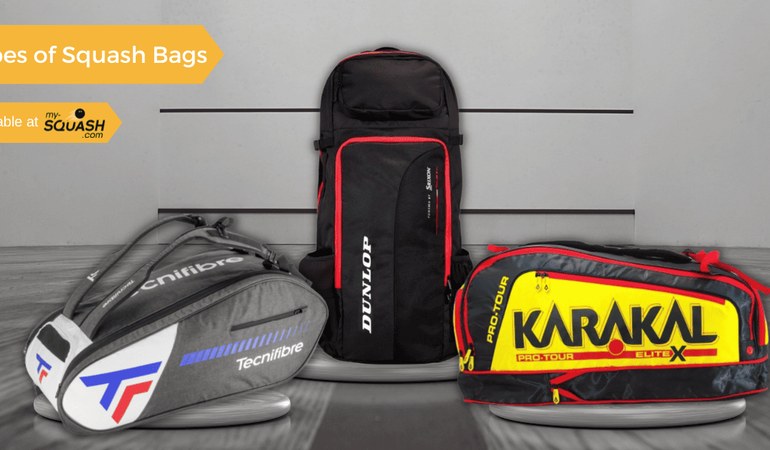
Image coming soon

In the 2020s squash bags continue to develop. The core design features from previous decades, such as thermal protection, ventilation, ergonomic straps, and ample capacity, are now expected as standard in quality bags.

So a newer area of change has been materials and sustainability. With more awareness of environmental impact, some sports brands have started using recycled or eco-friendly materials in bag construction. Head, for example, introduced racket bags made from recycled PET polyester, repurposed plastic bottles, as part of its sustainability efforts.

These bags aim to deliver similar durability and performance while reducing new plastic production. Even small touches, such as using recycled paper and hemp for hangtags and packaging, have been adopted to make modern bags more sustainable. This trend is still developing, but it is likely to shape bag manufacturing in the coming years.

Apart from material changes, the 2020s have also seen continued style diversification. Minimalist, low-logo designs have gained popularity among players who prefer a subtle look, while some brands offer bold graphic patterns aimed at younger players. Customisation is another trend: companies sometimes let customers personalise their squash bags with a name or flag, tapping into the desire for unique gear.

Technology integration: While still uncommon, there have been experiments with adding tech to squash bags. Concepts such as built-in USB charging ports or LED lights for visibility have been floated, following trends in travel backpacks.

There have also been sport-specific ideas like smart tags to track a bag, useful for frequent travellers with checked sports gear. These are not yet mainstream in squash, but the 2020s could pave the way for a more connected squash bag, especially as more players carry electronics with them.

Player preferences: The start of this decade has reinforced that players have varied preferences in how they carry their gear. Brands ensure that their lineup includes everything from compact backpacks to oversized 12-racket holdalls, and even hybrid wheeled bags.

Many top professionals still favour the largest bags for maximum storage during world tours, whereas club and league players might opt for medium 6-racket bags or backpacks for convenience. Helpfully, virtually all of these formats now include the advanced features developed in earlier decades, so a small backpack can still have a thermal racket sleeve and a ventilated shoe compartment, just in a scaled-down form.

Professional squash organisations have also become involved in gear trends. The Professional Squash Association has partnered on co-branded bags with Dunlop, such as the PSA-branded series, to promote a unified professional look.

This mirrors what we see in tennis and helps fans identify equipment on TV or in person. It also adds another layer of endorsement: if the official tour uses a certain bag model, it gains credibility among consumers.

Conclusion

From the leather and canvas holdalls of the 1970s to the well-equipped carriers of today, squash bags have changed a great deal. Each decade brought changes that improved functionality, from better protection for racquets to smarter use of space, and improvements in ergonomics that made transporting gear more comfortable.

Durability improved as materials shifted from heavy canvas and leather to advanced synthetics built to last. Storage capacity grew in step with player needs, turning the squash bag into a mobile locker that holds nearly everything a player requires.

Modern squash bags work as performance accessories: they protect expensive racquets, help preserve string tension with thermal lining, keep shoes dry, and organise kit and accessories so players can focus on the game.

Stylistically, squash bags have reflected broader cultural trends, from the flashy colours of the 1980s to the sleek professionalism of the 2000s and the personalised, eco-conscious designs of today. They have become an expression of personal style and pride in the sport. A player's choice of bag can match their personality, whether that is a classic brand-heritage look or a more modern design.

Perhaps most telling is the influence of players themselves on bag development. Top professionals endorsing certain bags, or co-designing them, has driven sales and helped ensure that the features on those bags genuinely meet high-level playing demands.

The likes of Jahangir Khan in the 80s, Jonathan Power in the 90s, and contemporary stars such as Ali Farag have, in their own ways, shaped what we expect a good squash bag to be. This link between player feedback and brand design means the squash bag has become an integral piece of equipment, as worth considering as the racquet or shoes.

The evolution of squash bags from the 1970s to the present is a story of steady improvement. Decade by decade, bags gained new materials, smarter construction, and more user-friendly features.

What started as a simple carry bag has become a specialised gear organiser that covers most aspects of a player's needs, while reflecting the changing tastes and values of each era. As squash moves forward, the humble bag is likely to keep evolving, perhaps with more intelligent design and more sustainable production. The goal stays the same: to help players bring their best game to the court, one well-packed squash bag at a time.