
Advanced Techniques and Shot Variations
Squash champions master a wide arsenal of shots and disciplined footwork. The core shots:
- Straight drive: a power shot straight down the wall; aim deep with a full follow-through and a quick recovery to the T to force opponents back.
- Cross-court drive: an angled drive to the opposite back corner to move an opponent laterally and open court space.
- Forehand and backhand volley: taking the ball in the air, especially near the T, to cut off your opponent's time; a volley-kill (a low volley into the front wall) can win the point outright.
- Drop shots: soft shots that barely clear the tin, played straight or cross-court, from the front or mid-court, or as a counter-drop; disguise them even under pressure.
- Boasts: a shot that hits a side wall (or back wall) before the front wall to bring the opponent forward. A reverse boast is hit into the far side wall first and can catch an opponent moving the wrong way.
- Lob: a defensive high shot to the back corners to reset or relieve pressure; mix it with tight shots to keep opponents guessing.
- Body shots: drives or volleys aimed at the opponent's body, often the backhand side, to jam them into weak returns.
- Specialty shots: the nick (landing where side wall meets floor so it rolls out) and other stylized shots, used rarely and situationally.
Precision comes from technique and footwork: lean forward low, follow through high on drives, and split-step to stay balanced. Elite players are less attached to any favourite shot and play what the situation demands. Drill execution regularly, for example the drive-boast-drop sequence (a straight drive, then a boast to the front, then a drop), which forces recovery from defence to offence within one rally, or a three-player volley-and-boast rotation through the T.
Court Positioning and T Control
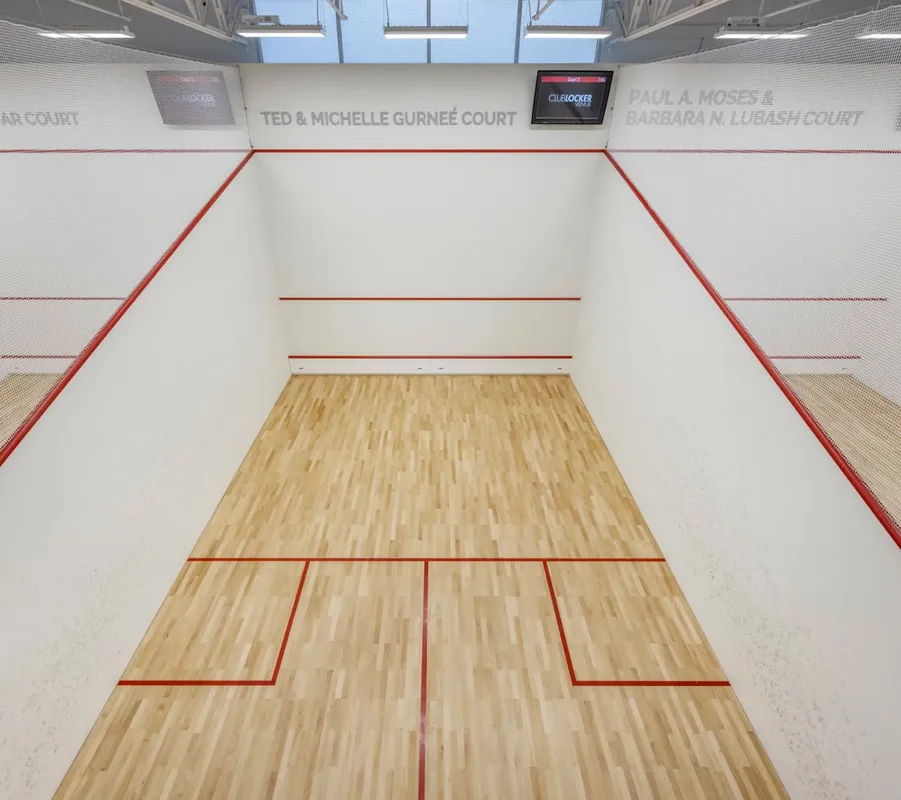
After each shot, occupy the T, where the half-court line and short line meet, since from there you can reach any corner to defend or attack. Shade slightly toward an anticipated straight shot to intercept it, or step forward if a drop is expected, and cover opposite corners. A common pattern after receiving serve is to drive the ball deep into a back corner, which buys time to recover to the T. Maintaining central control forces the opponent to the periphery and lets you dictate rallies.
Strategic Gameplay and Tactics
At championship level, tactics are tailored to the opponent and situation: play the opponent, not just hit good shots. As coach Barbara Cooper has put it, play your opponent and the situation rather than the textbook shot.
- Varying pace and placement: mix hard drives with soft drops and boasts so opponents cannot settle into a rhythm; after a drop from your side, follow with a deep drive to punish a short return.
- Pattern play: the drive-then-drop (drive deep to push them back, then play a short drop) is a classic attack; alternating straight and cross-court opens angles; disguise shots, for example faking a drive then dropping.
- Against defensive players: a pusher or lobber slows rallies with soft, tight shots, so stay patient, hold the T, and apply pressure with tight straight drives and volleys, moving them wide with boasts to force errors.
- Against aggressive players: neutralise a forward-volleying opponent with changes of pace, lobs and deep volleys to the back, and tight drops and boasts to upset timing; attacking first can force a fast attacker to retrieve.
- Serve and return: vary your serve (short, body, lob) to push the receiver off balance; on the return, a high straight drive into the back corner neutralises the server and takes the T.
- Adjusting in-game: watch for patterns and exploit a weaker side; if a shot such as a drop is working, keep using it until they adjust.
Above all, be flexible: defend when needed, then switch to offence in a heartbeat. With a lead, keep the opponent off balance with variety; when trailing, focus on high-percentage straight lengths and volleys to regain control.
Physical Training: Endurance, Strength, Agility
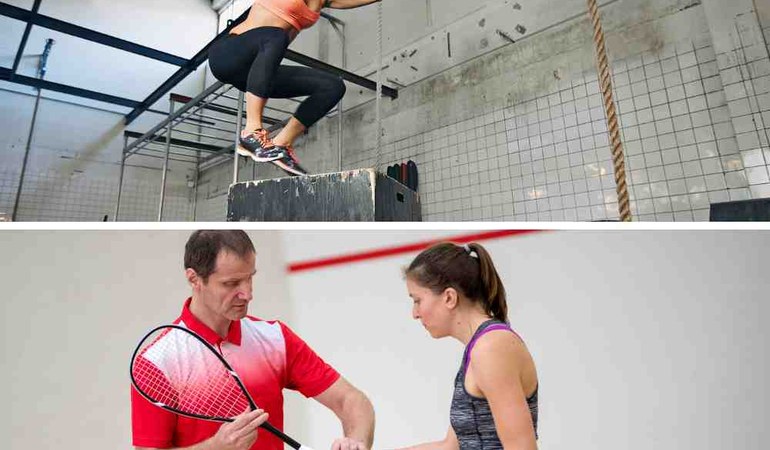
Advanced squash demands top fitness, combining endurance, strength, and sport-specific agility.
Endurance
Squash is many short sprints in bursts, so players use high-intensity intervals, for example 30 seconds of sprinting and 30 seconds of rest, plus longer runs or cycling for base cardio. Active recovery such as gentle cycling or jogging on rest days helps flush metabolites and speed muscle repair.
Strength and Power
Emphasise the lower body and core: squats, lunges, deadlifts, and step-ups for explosive leg power; planks and twists for stability; plyometrics such as box jumps and jump lunges for quick-twitch power; and rotational medicine-ball throws to translate strength into racket power. Many players lift two to three times a week, mostly higher reps with some heavier sets, to build strength without bulk.
Agility and Speed
Ladders and cone drills sharpen multi-direction speed and coordination. One reactive drill is to place cones or balls in all four corners and sprint to touch each in sequence. Warm-ups include dynamic lunges, side-to-side jumps, and shuttle runs.
Squash-Specific Drills
Spend time ghosting (shadow-moving around the court without the ball) to perfect movement patterns; multi-ball drills, where a coach feeds random shots, force quick decision-making and recovery; and consistency drills such as a sustained straight-drive rally build muscle memory and fatigue tolerance.
Mental Preparation and Focus

At the elite level, matches are often decided mentally as much as physically.
Pre-match routine
Keep a consistent match-day routine: good sleep, a light breakfast of complex carbohydrates and protein, and a calm, paced schedule away from the phone, so you arrive relaxed but alert rather than rushed or anxious.
Focus during play
Concentrate on the process, such as your footwork or your breathing between points, rather than the score, and use visualisation and deep breathing in tight moments. Ali Farag has spoken about mentally rehearsing his routines and staying composed, which can mean picturing key shots or match scenarios in advance.
Dealing with pressure
Accept that nerves come with high-stakes points and channel the tension into energy rather than panic. If you fall behind, set small goals such as winning the next rally, and use mindfulness to focus on the present ball. Even at professional level, players set micro-goals such as hitting six good lengths in a game.
Confidence and composure
Build confidence from past successes and positive self-talk about what you control, namely your effort and decision-making. After an error, a short reset (towel off, check your strings, take a deep breath) helps you refocus. Composure is as important as shot-making.
Equipment Selection and Maintenance
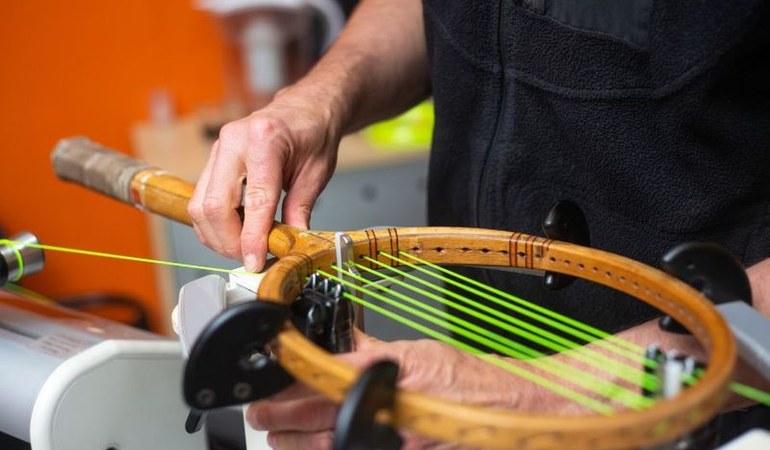
Advanced players pay close attention to gear. The two main racquet frame types compare as follows:
| Frame type | Sweet spot | Power vs control | Best suited to |
|---|---|---|---|
| Closed-throat (classic) | Smaller, centrally located | More control; you generate more power with your swing | Control-oriented play, drop-shot specialists who want touch |
| Open-throat (teardrop) | Larger, extends toward the tip | More power from a trampoline effect, at the cost of some control | Aggressive back-court hitters who want extra power |
Many players carry both types or pick one to suit their game; test balance points, head-light for manoeuvrability or head-heavy for power, and choose what complements your technique.
Strings and tension: thinner gauge strings offer more control and feel but break faster, while thicker strings of 1.25mm and up last longer but feel stiffer; lower tension gives a larger sweet spot and more power, higher tension gives crisper control. Many competitive players string around 24 to 27 lb, going lower if they hit very hard or higher for extra precision, and use multifilament or natural gut for feel or polyester for durability. Replace strings before they break to avoid unpredictable changes in feel.
Grip, shoes, and protection: keep a fresh overgrip and replace it whenever it feels slippery (usually every few matches), and carry at least two rackets of similar specifications as backup. Power players who strike heavily favour stability shoes with strong side-support and cushioning, while movement-based players want lighter, flexible shoes with strong traction and a defined pivot point; choose non-marking rubber soles, a snug fit, and break new shoes in during practice. Protective eyewear is mandatory in many federations, especially for juniors and amateurs, so wear durable polycarbonate goggles, since squash balls can travel well over 150 km/h. Never leave rackets in hot cars, re-grip regularly, and replace shoes once the tread wears or the midsole compresses.
Match Preparation, Warm-Ups, and Recovery
Pre-match routine
Plan your day backward from match time. Have a light, carb-rich meal two to three hours beforehand (for example oatmeal with fruit and a little protein), arrive early to acclimatise, and do a short practice hit 30 to 60 minutes before with simple rallies and easy volleys to get into playing mode. Avoid screens and stress in the final hour, and hydrate with water or a sports drink in the last 15 to 20 minutes.
Warm-up before play
Aim for 10 to 20 minutes of dynamic warm-up: about five minutes of light cardio (jogging, high knees, side steps) to raise the heart rate, then dynamic stretching (lunges, leg swings, shoulder rolls), then squash-specific movements such as lunges with the racket, shadow hits around the T, and short sprints to each corner. Build intensity gradually and finish with a few real volleys, drops, and drives just before the match, which reduces injury risk and lets your body respond with full power immediately.
During the match
Keep moving and bouncing between points to stay warm, change sweatbands and towels to stay dry, and sip fluids when you can. In the 90-second breaks, reapply grip tape or shake out tired legs and plan point by point with small goals, such as getting one shorter rally or drawing the serve up tight.
Cool-down and recovery
Cool down with five to ten minutes of easy jogging or cycling to flush muscle metabolites, then gentle static stretching for the legs, back, and shoulders. Replace fluids with water or an electrolyte drink, and eat a protein-rich snack or meal within an hour to repair muscle microtears, with complex carbohydrates and vegetables to restore energy. The next day, use active recovery such as light swimming, cycling, or brisk walking rather than total rest, and for deep soreness try massage, foam-rolling, or contrast bathing. Good sleep is one of the best forms of recovery.