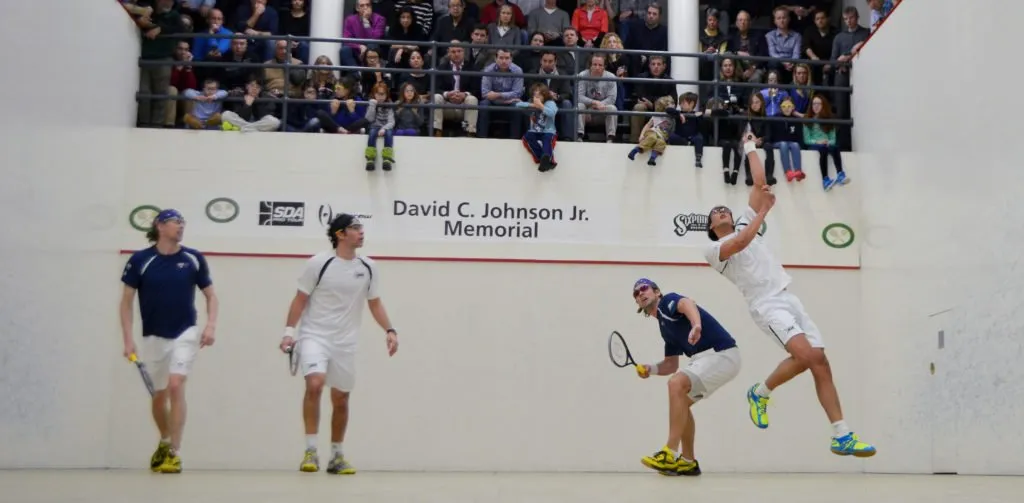

Squash offers many careers off the court, in coaching, officiating, management, media, and more, from full-time roles at clubs and federations to freelance and volunteer work. Below are the key categories with typical duties, qualifications, and real examples.
Coaching and Instruction
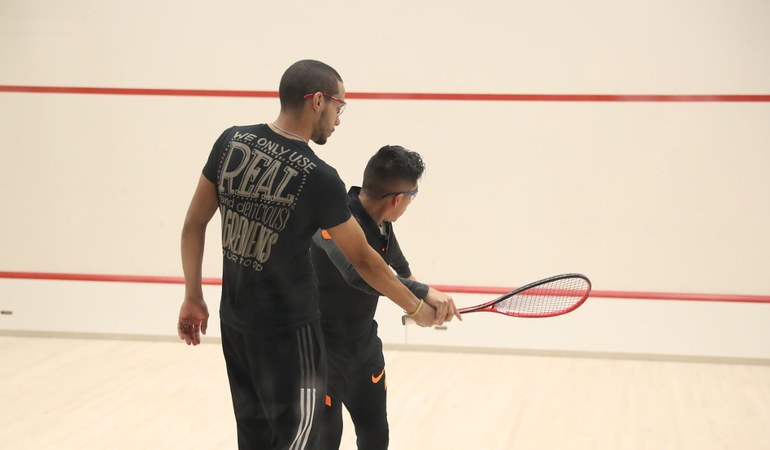
Coaches design training plans, teach technique and strategy, and mentor athletes from juniors to high-performance squads. Qualifications usually combine playing experience with coaching certifications: many countries follow the World Squash Coaching education programme, where the entry-level Foundation Course leads to Level 1 through a national governing body, and US Squash runs tiered levels (Start Squash, Level 1, Level 2, Level 3). A sports-science or physical-education degree and first aid are common.
Work settings include clubs, academies, school teams, and national centres. Private clubs such as Equinox hire squash pros to run lessons, leagues, and revenue, while national bodies (England Squash, Squash Canada) and nonprofits employ development coaches. The Hong Kong Sports Institute, for example, advertised an elite coach to design training programmes and integrate sports-science and medical support, requiring a degree plus a certified coaching qualification.
Officiating and Refereeing
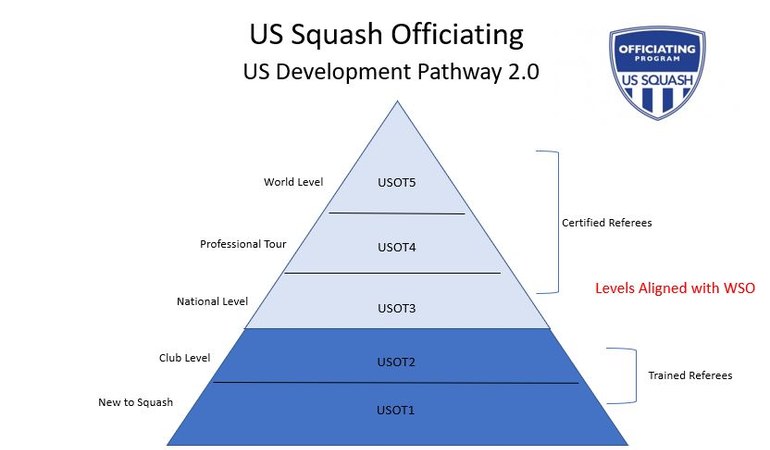
A squash referee enforces the rules, keeps score, and ensures fair, safe play, paid at high-level tournaments or volunteer at local events. Referees progress through certification: many countries use the World Squash Officiating (WSO) framework, whose database the PSA Squash Tour and World Squash use to appoint referees to events:
- Level 0, a free introduction
- Level 1, club level
- Level 3, national, which also qualifies a referee for PSA and World Squash events
- Levels 4 and 5, continental and world
Courses cover the rules, mechanics, and ethics, and reward strong game knowledge, good decision-making, and composure. Squash New Zealand encourages players to move into officiating to keep enjoying the game and build leadership skills, and federations often recruit ex-players.
Sports Management and Administration
Executive and administrative roles at clubs, federations, and governing bodies cover strategic planning, budgeting, membership, staffing, and sponsor liaison. A director of squash or program manager develops club programs, runs youth academies, handles event approvals and marketing, and coordinates with associations. Degrees in sports management or business, club experience, and strong organisation and communication are typical. The Hong Kong Football Club advertised a director of squash to set a holistic strategy and oversee coaching from juniors to masters, and London's Royal Automobile Club hires a head of rackets to run its squash programs and member services, combining on-court coaching with off-court administration.
Event Management and Competition Organization
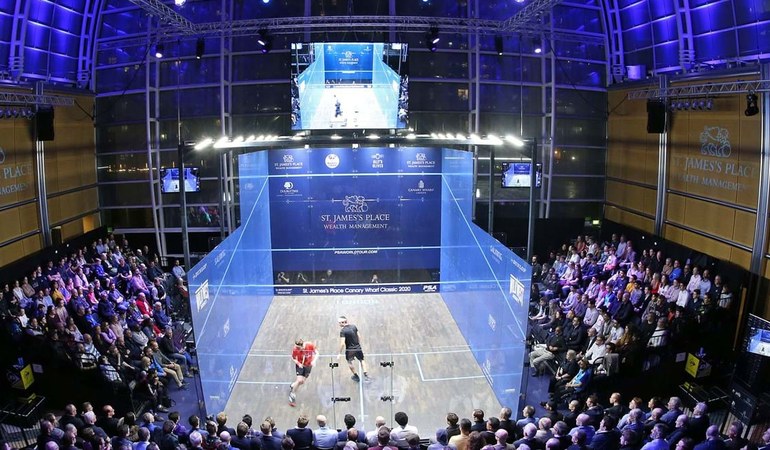
Tournament directors, events managers, and competition coordinators plan and run tournaments and leagues, from scheduling, venue, and volunteer coordination to sponsorship, equipment (such as all-glass courts), entry systems, and PSA / World Squash compliance. Event-management or sports-administration experience and project-management skills help. Squash Ireland's Events and High Performance Logistics Manager posting captures the range: delivering all national tournaments (the Irish Open, PSA events, junior leagues), leading bids for international events, and training volunteers.
Marketing and Communications
Marketing and communications roles handle branding, sponsorship, PR, social media, and content (articles, videos), and are central to raising the sport's profile around its Olympic debut. A marketing, communications, or digital-media background and knowledge of squash media such as SquashTV help. Squash Canada hired a full-time marketing and communications coordinator to document and promote the game ahead of LA 2028, and US Squash, England Squash, and the professional tour (PSA) similarly employ communications staff to grow audience engagement.
Media, Broadcasting, and Journalism
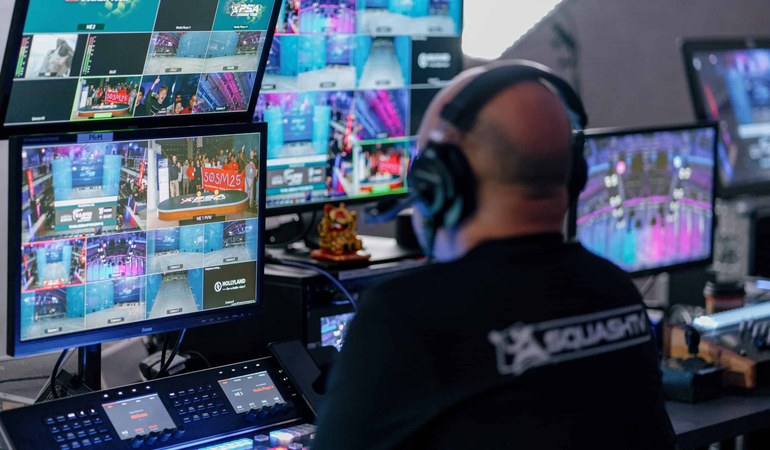
Media roles include commentating, producing video, writing news and player features, and live-stream production (camera, editing) for outlets such as SquashTV. A journalism, broadcasting, or digital-media background plus squash-specific knowledge gives credibility. The PSA's SquashTV crew travels globally as an on-site broadcast team, with production managers and commentators (often former players) contracted by the PSA or federations, while independent media such as SquashSite and Squash Mad, plus podcasts and social creators, hire writers and analysts.
Athletic Training and Sports Science
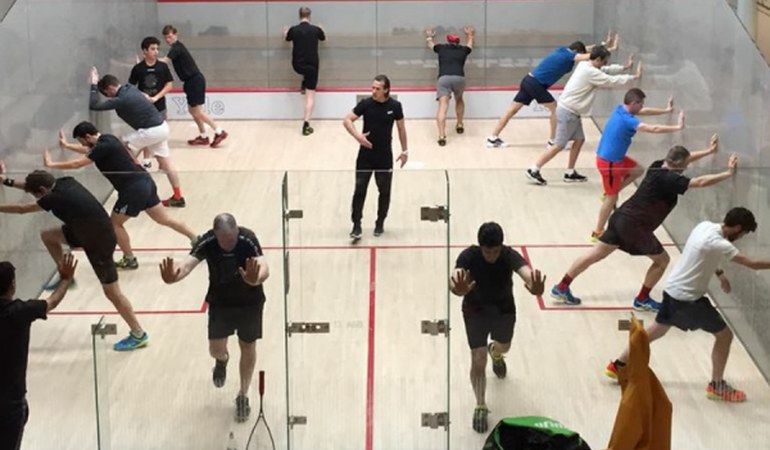
Players rely on sports-science support:
- Strength and conditioning coaches build speed, agility, power, and endurance for a physically demanding sport.
- Physiotherapists and athletic trainers handle injury prevention and rehabilitation.
- Nutritionists plan performance diets.
- Sports scientists monitor player data and fitness testing.
Degrees in exercise science, kinesiology, or physiotherapy and certifications from bodies such as the NSCA or UKSCA are typical. The EliteSquash academy in England uses an S&C coach to build physical attributes and reduce injury risk, and national programs such as the Hong Kong Sports Institute integrate scientific and medical support into training; clubs and federations often hire such specialists part-time or on contract.
Equipment Design, Manufacturing, and Retail
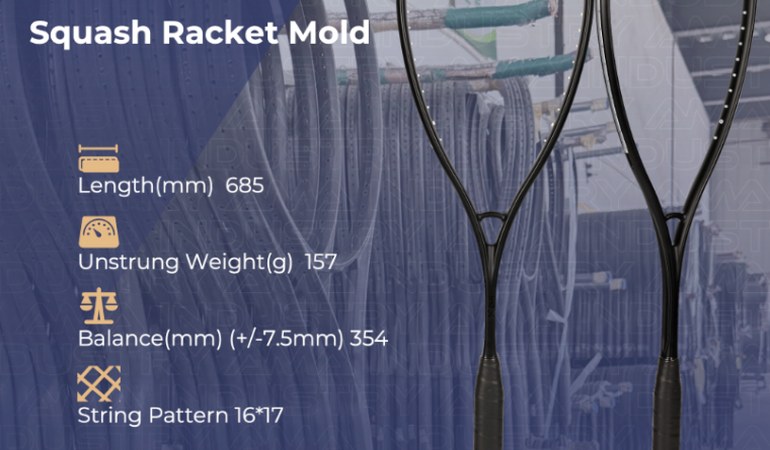
Brands such as Dunlop, HEAD, Tecnifibre, and Karakal design and sell racquets, balls, shoes, and apparel, creating roles across:
- Product design and engineering (new racquet materials and shapes)
- Brand management and marketing of new gear
- Sales and distribution to clubs, retailers, and national organisations
- Retail, running pro shops and online stores
Engineering or sports-technology degrees suit design roles; marketing or business degrees suit sales and brand roles; deep product knowledge is required, and ex-players often consult or serve as brand ambassadors. Retailers such as ProKennex and Decathlon (whose squash range is sold under the Perfly brand) also hire squash specialists, and local pro shops rely on knowledgeable staff to advise on equipment.
Club and Facility Management
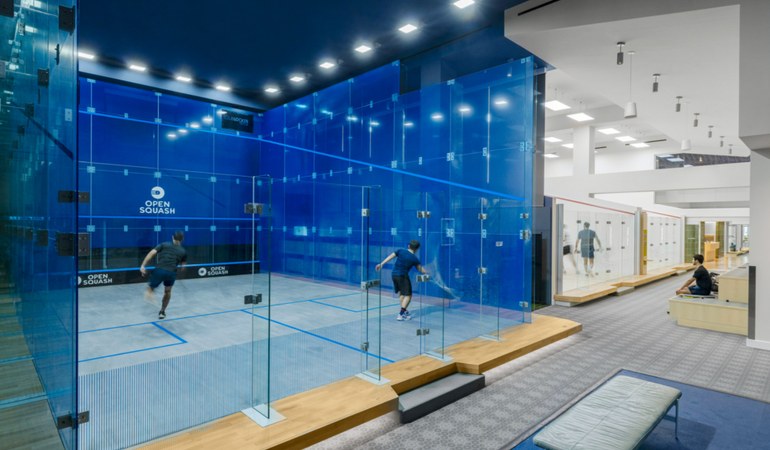
At multi-sport clubs and fitness centres, club managers and racquets directors oversee squash alongside sports such as tennis: staffing courts, scheduling lessons, maintaining equipment and court infrastructure, and growing membership. Club-operations experience and a sports-management or coaching background are usual. London's Royal Automobile Club head of rackets oversees all squash coaching and member experience, and commercial gyms such as Equinox hire squash pros to run courts and programs, while clubs also rely on volunteer committees and league organisers.
Development and Education Programs
Development officers and community coordinators introduce squash to new audiences (schools, underserved areas, disability sport) through free clinics, school programs, and scholarships; coach educators teach certification courses to new coaches; and varsity coaches and sports scientists bring squash into universities. Sports-development or education backgrounds and patience help when expanding the game. England Squash runs junior participation programs, college athletics departments employ varsity coaches who often double as physical-education teachers, and groups such as Squash Girls Can use experienced players as volunteer mentors to train female coaches.
Volunteer Roles in Squash
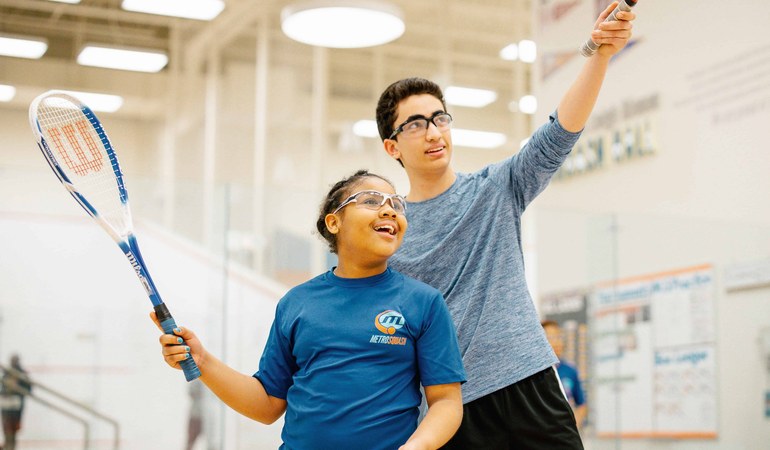
Much of squash's grassroots success runs on volunteers:
- Club committee members (president, treasurer, events coordinator)
- League organisers
- Junior-program volunteers and social coaches
- Volunteer referees and tournament helpers
- Experienced players acting as mentors or board directors
Volunteering builds leadership and project-management skills and keeps people connected to the game, and Squash New Zealand notes that refereeing gives back to the sport directly and opens travel opportunities. World Squash (formerly the World Squash Federation) and continental federations also run volunteer commissions for coaching, events, and development. Many roles overlap (a coach may also market programs), and the job boards of squash associations and general sports-career sites reveal current openings at all levels.