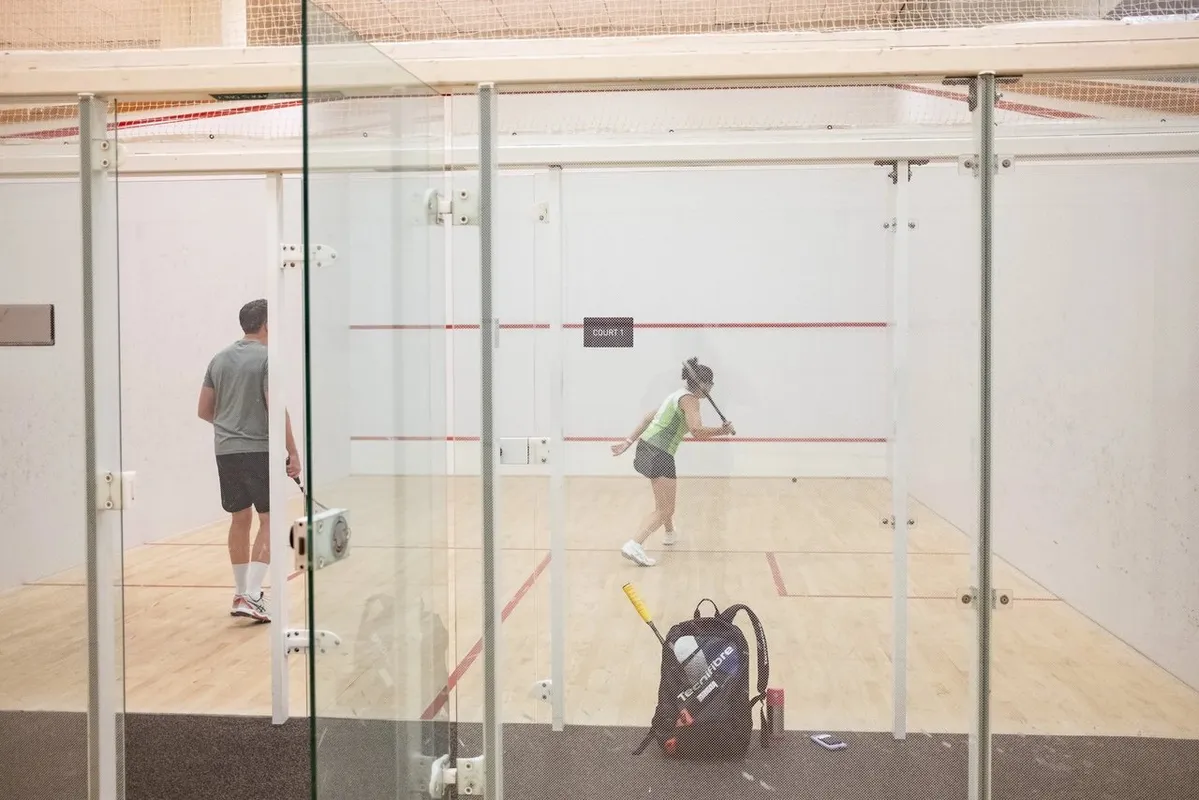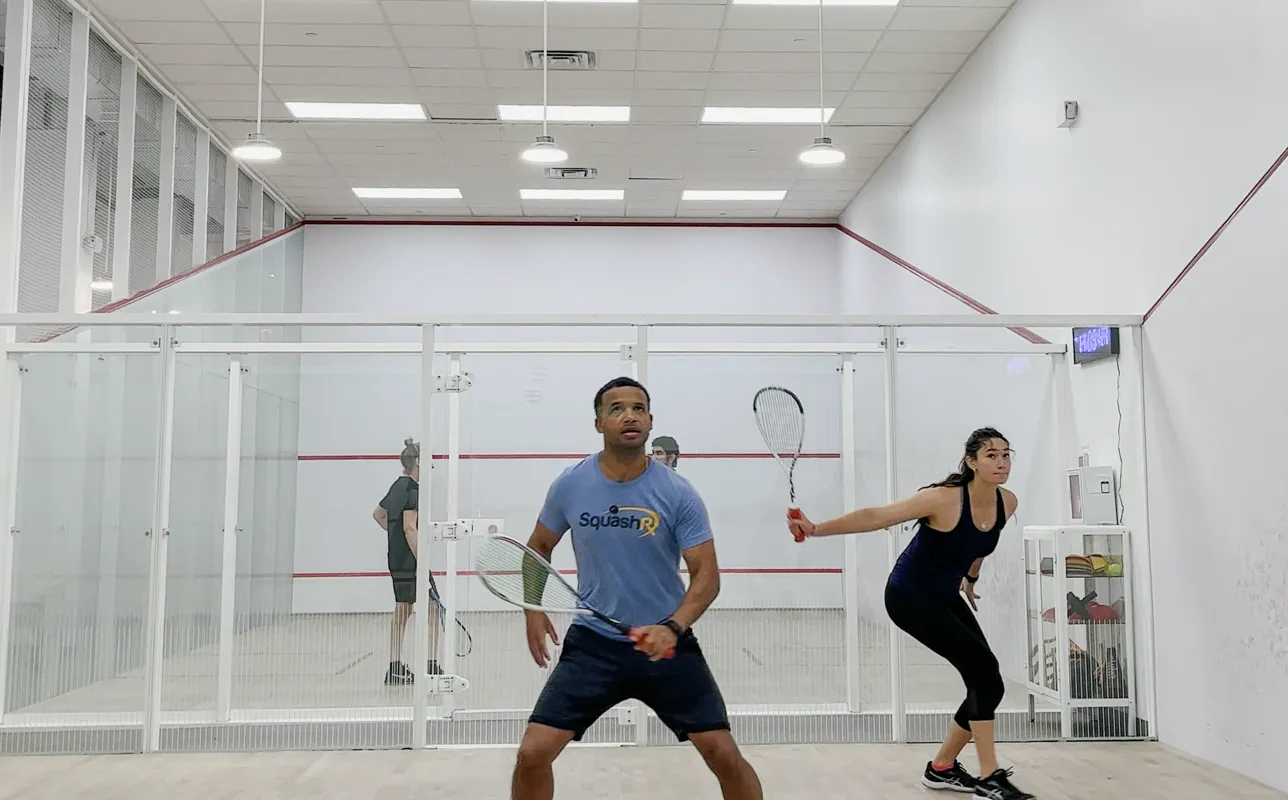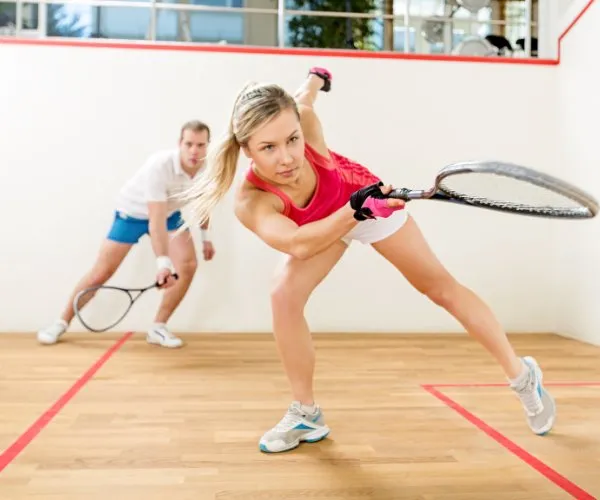

Walk into a sports centre and see two people in goggles hitting a ball around a four-walled court: are they playing squash or racquetball? At first glance the sports look similar, since both involve hitting a small rubber ball against the walls of an indoor court with a strung racquet.
But squash and racquetball differ in plenty of important ways, from rules and courts to equipment and playing style. This guide breaks down the differences and the shared traits so you can tell them apart and see what each game offers.
Rules and Gameplay Mechanics
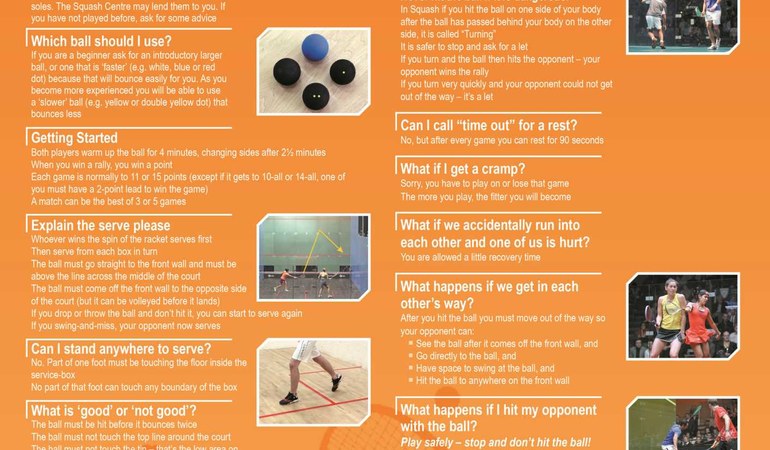
Both squash and racquetball are rally sports: players take turns hitting a ball against a front wall until someone cannot return it. In each sport you win a rally if your opponent fails to return the ball before it bounces twice or hits it out of bounds. Beyond that core similarity, the detailed rules and scoring are quite different.
Serving and starting play
In squash, play begins with a serve from one of two service boxes. The server must hit the front wall above the service line so that the ball rebounds into the opposite back quarter of the court.
In racquetball, the server stands in a service zone, drops the ball, and hits it to the front wall so that it rebounds past the short line on the floor without first hitting the ceiling. A squash serve may hit a side wall after the front wall, but in racquetball a serve that hits the ceiling is a fault.
Ball in play
Once a squash rally is underway, players can use all four walls within the marked boundaries. A squash court has a tin, a metal strip along the bottom of the front wall about 19 inches high, that works like a net: a ball that hits below it is out. Squash also has out-lines along the top of the walls, and hitting above them is out.
Racquetball has no tin and no wall out-lines, so all four walls and the ceiling are in play after the serve. Racquetball strategy often involves hitting the ball as low as possible on the front wall so it dies before the opponent can reach it. This gives squash a more controlled, tactical feel, while racquetball rallies use more rebounds off multiple surfaces.
Scoring
- Squash uses point-a-rally scoring to 11 points per game, where either player can score on any rally, with matches played best of five games.
- Racquetball uses side-out scoring, where only the server can score a point, with games usually to 15 and matches best of three (a deciding third game is played to 11). If the non-server wins a rally they earn the serve but no point.
As a result squash games tend to be shorter, while racquetball games can run longer because of the side-out rule. You can read more about the side-out format on the racquetball overview at Wikipedia.
Gameplay flow
In both sports the ball may bounce only once on the floor and players alternate hits, but the pace and style differ. Squash's tighter boundaries make it a game of precision and patience, with players trading carefully placed shots and anticipating each other's moves.
Racquetball's use of the ceiling and all walls encourages power and creativity, leading to fast, ricocheting rallies. Squash rallies are usually a little slower in ball speed but longer in duration, while racquetball rallies can be very fast but often end more quickly because the ball is livelier.
Court Dimensions and Design
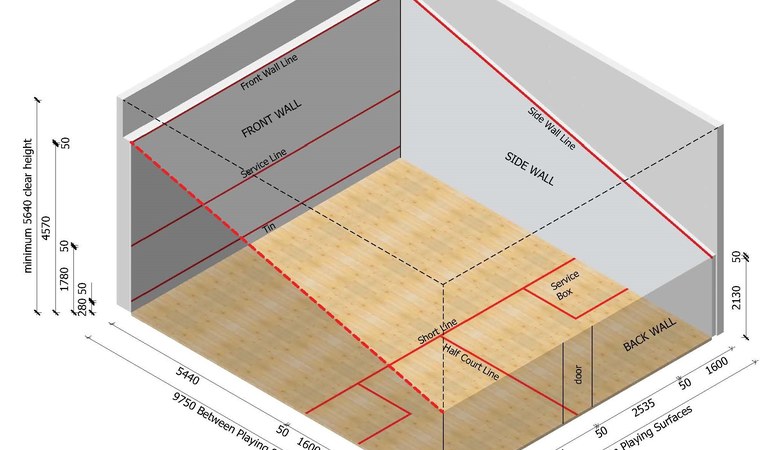
One of the easiest ways to tell the sports apart is the court. Both are enclosed, but the dimensions and markings are clearly different.
Court size
A standard racquetball court is larger, at 40 feet long, 20 feet wide, and 20 feet high (about 12.2 m by 6.1 m by 6.1 m). A singles squash court is 32 feet long and 21 feet wide (9.75 m by 6.4 m), with a front-wall out-line about 15 feet (4.57 m) high and a lower back-wall out-line about 7 feet (2.13 m) high.
In short, racquetball courts give players more running room, while squash courts are more compact and reward quick reflexes and efficient movement in tighter space.
Walls and markings
Squash courts have clear out-of-bounds markers, with an out-line running around the tops of the walls and the tin on the lower front wall; a ball outside those bounds loses the rally.
Racquetball courts have no permanent out-lines on the walls, since the ceiling and all four walls are in play during rallies. The only marked lines in racquetball govern the serve (the short line and service box on the floor); once the ball is in play there is no out of bounds until it bounces twice or the rally ends.
Front wall and serve zones
On a squash front wall there are two horizontal lines: the upper out-line and, about six feet up, the service line that a serve must clear. The floor has two service boxes near the front where the server stands.
A racquetball front wall has no minimum-height line; on a serve the ball simply has to hit the front wall first and rebound past the short line on the floor. Because racquetball has no tin, players often aim very low on the front wall, a legal and encouraged tactic. In squash, hitting that low would strike the tin and lose the point, so players aim higher.
Materials and design
Both courts usually have hardwood floors and smooth walls. Squash walls may be plaster or panel, often with a glass back wall so spectators can watch. Racquetball courts are usually fully enclosed rooms, sometimes with a solid ceiling the ball can rebound off.
The designs are purpose-built for each sport, so you cannot really play one game on the other's court: a squash ball would be lost in a racquetball court's extra space, and a racquetball would be hard to keep within a squash court's out-lines.
Equipment: Racquets, Balls, and Gear
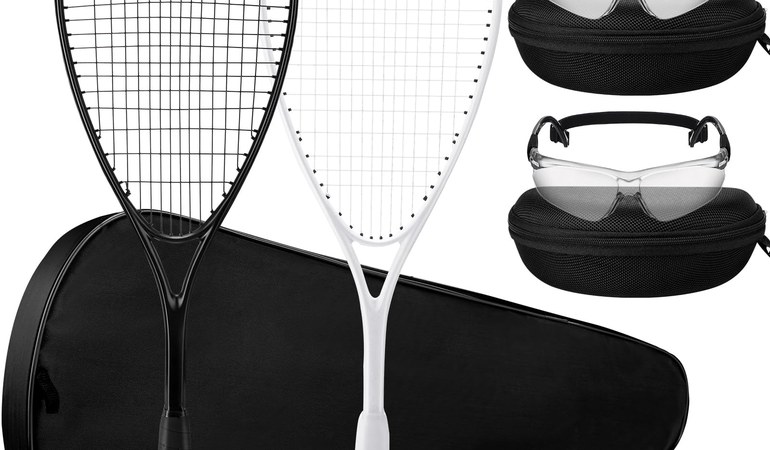
The gear looks similar at a glance, since both use strung racquets and a rubber ball, but the specifications differ.
| Feature | Squash | Racquetball |
|---|---|---|
| Racquet | Longer, thinner, up to 27 inches, smaller head, favours control and precision | Shorter, teardrop-shaped, about 19 to 22 inches, wider head for power |
| Ball size | About 4 cm (1.5 inches) diameter | About 6 cm (2.25 inches) diameter |
| Ball bounce | Not very bouncy; needs warming up; low bounce | Much bouncier; no warm-up needed |
| Ball colour and speed | Coloured dots mark speed; double-yellow-dot bounces least (advanced) | Usually bright blue; other colours for different speeds |
Racquets
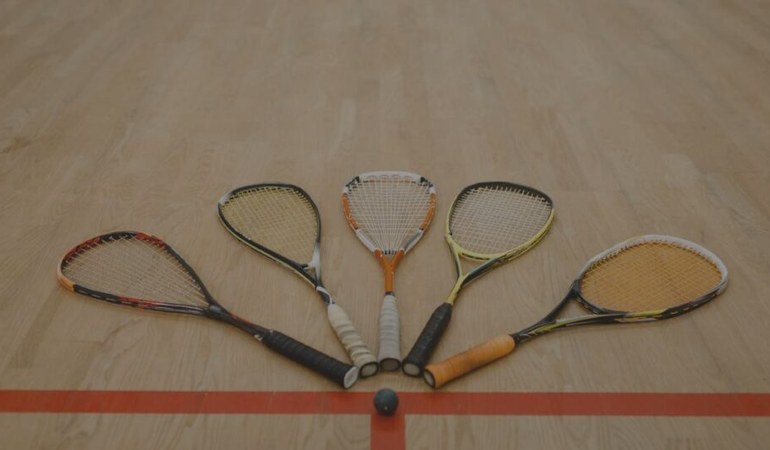
Squash uses a longer, thinner racquet, up to 27 inches in length, with a smaller head, favouring control and precision. Racquetball uses a shorter, teardrop-shaped racquet, usually about 19 to 22 inches long, with a wider head for power, which suits the faster swings of the game. Both racquets have a wrist strap to keep them secure during play.
Balls
A squash ball is small, about 4 cm (1.5 inches) in diameter, made of rubber, and not very bouncy. It needs warming up by hitting it for a few minutes, and even then has a relatively low bounce. Squash balls come in different speeds marked by coloured dots, with beginners using a bouncier ball and advanced players using the double-yellow-dot ball, which bounces least.
A racquetball ball is larger, about 6 cm (2.25 inches) in diameter, and much bouncier. It is usually bright blue, comes in other colours for different speeds, and does not need warming up. The livelier racquetball keeps rallies fast and covers the whole court, while the deader squash ball can die in the corners, rewarding precise placement.
Shoes
Both sports are played indoors, so players wear non-marking court shoes with good grip. There is little difference in shoe type between the two, and many indoor court shoes are sold for both. The key is stability for quick lateral movement without scuffing the floor, since both games involve frequent stops, starts, and changes of direction.
Protective gear
Because both sports put two players in a tight space with fast-moving racquets and balls, eye protection matters. Most organized racquetball requires shatterproof goggles, since the ball moves extremely fast. Squash also strongly recommends goggles, and many clubs and tournaments require them, especially for juniors.
Racquetball players often wear a glove on the racquet hand for grip; in squash gloves are less common. Both sports are usually played in light athletic clothing similar to tennis attire.
Physical Intensity and Fitness Benefits
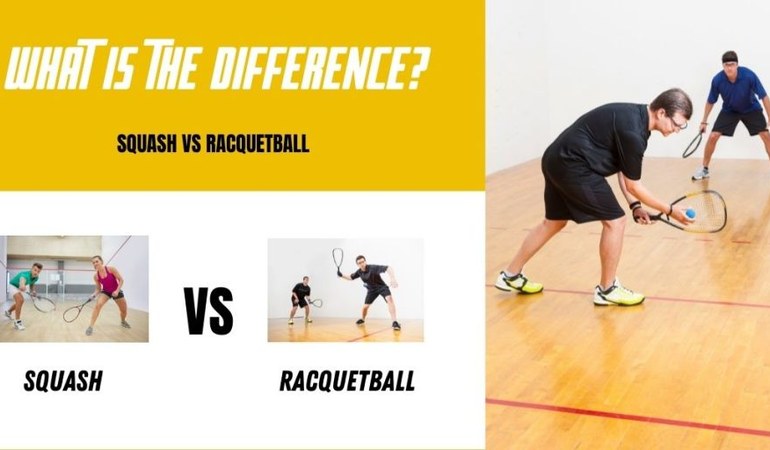
Both squash and racquetball are excellent workouts that combine cardio, strength, agility, and flexibility.
Cardio
Both raise the heart rate sharply. Squash rallies tend to last longer with near-constant movement, giving a strongly aerobic workout that builds endurance. Racquetball also raises the heart rate with fast rallies, with brief pauses when rallies end, and its sprints and direction changes provide both aerobic and anaerobic work. An hour of either can burn hundreds of calories.
Muscles and movement
Both sports work the legs, core, and upper body, with plenty of lunging, torso rotation, and arm and shoulder work. Squash, with longer rallies, tests leg endurance and core stability, while racquetball's quick lateral moves and dives build explosive power and agility. Over time both improve reflexes and hand-eye coordination.
Overall intensity
Squash is often rated among the most demanding sports, and was once ranked the healthiest sport by Forbes for its calorie burn and fitness benefits. Its near-continuous play builds great endurance.
Racquetball is intense in a different way, with more stop-and-go bursts and short breathers between rallies. Either game is a strong workout: squash may leave you more winded from non-stop rallies, while racquetball may leave you sore from lunges and sprints.
Skill Requirements and Learning Curve
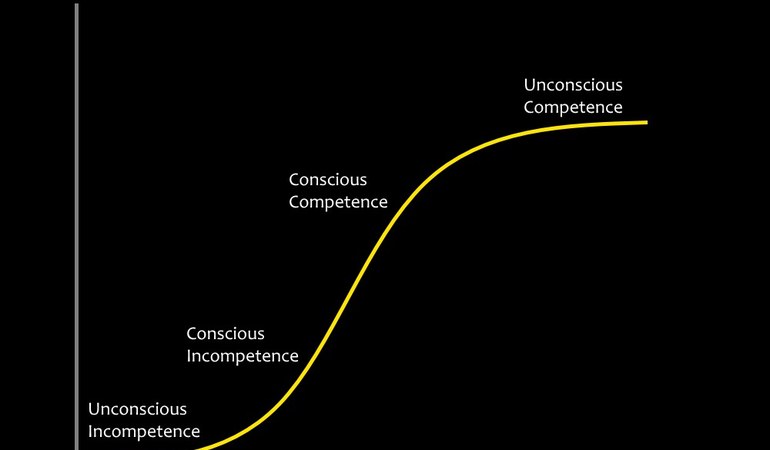
If you are a beginner wondering which is easier to start, the rough consensus is that racquetball is more immediately accessible while squash has a steeper learning curve, though each challenges you in different ways as you improve.
Beginner friendliness
For a complete beginner, racquetball is generally easier to pick up. The bouncy ball and larger racquet give a big hitting area and more time to react, so new players can sustain a rally quickly, and the rules are straightforward.
Squash can be harder at first, because the ball does not bounce much, especially when cold, and the smaller court and tighter margins demand more precision. Squash usually takes a bit more practice before you get long rallies going, but most players find the progress rewarding.
Developing skills
Both sports demand a mix of physical and mental skill. Squash is often described as a more strategic, chess-like game where patience and placement beat brute force, with players using tight rail shots, boasts, and drop shots to move the opponent around.
Racquetball has its own strategies, including ceiling shots, low kill shots, and passing shots, with more emphasis on speed, reflexes, and power. Footwork and positioning matter in both, though squash punishes poor positioning more because of the smaller court. Squash also has a let, where a rally is replayed if players get in each other's way, while racquetball has similar interference rules called hinders.
Mastery
Reaching a high level in either sport is a real achievement. Squash players show remarkable stamina, with matches lasting an hour or more of almost continuous play, while racquetball pros rely on lightning reflexes to cover the larger court.
Squash swings tend to be compact with more wrist control for placement, while racquetball swings can be more open because the bouncy ball is more forgiving. Neither is harder overall; they simply emphasize different things, and both reward continued learning.
Popularity and Accessibility
Squash and racquetball have followed different paths around the world, each with passionate communities but different reach and facilities.
Global reach
Squash is the more globally played sport, with around 20 million players in over 185 countries, and a strong presence across Europe, Asia, Africa, and Australasia plus a growing community in North America. It features at events like the Commonwealth Games and has professional tours led by players from Egypt, England, Australia, Malaysia, and elsewhere, and it will debut at the 2028 Olympics in Los Angeles.
Racquetball is most popular in the Americas, especially the United States, where it was invented, along with Mexico and Canada, with an estimated 5 to 6 million players worldwide. It boomed in the United States in the 1970s and 1980s, and although that has leveled off, it keeps a dedicated following and appears at events like the Pan American Games.
Access to courts
Availability depends on where you live. In many American cities, racquetball courts are common at recreation centres, older gyms, and colleges. Squash courts in the United States were historically fewer, often at private clubs or universities, but their number is growing.
In the UK, Egypt, Australia, India, and Pakistan, squash courts are easy to find. Both sports need an indoor court, but if you have access, both are relatively affordable to start, with rental gear or inexpensive starter racquets widely available.
Community and culture
Squash has a reputation in some places as a more formal sport, partly from its private-club heritage, but it is broadening, with players of all ages and an active scene of amateur leagues, junior programmes, and professional tournaments. Racquetball is often seen as more casual in the United States, with many people playing for fun, though competitive tournaments and pros exist too.
Both are social sports with doubles play and local leagues, and many players try both. For beginners, racquetball's casual atmosphere can be inviting, while squash's global network means you can find a game almost anywhere.
Conclusion: Finding Your Game
Squash and racquetball are close cousins among indoor racquet sports, but each has its own character. Squash offers endurance, strategy, and finesse in a compact court, rewarding planning and precise shot-making. Racquetball offers fast reactions, explosive athleticism, and creative use of every wall, and is easy to enjoy from the start. Both will get you fit, sharpen your reflexes, and provide plenty of fun.
If you are not sure which suits you, try both if you can. Many players love the one they started with, while others enjoy both for their different qualities. Whichever you choose, you will join a community of keen players and a sport that can keep you healthy for a lifetime.